A Gift from the Heart to the Mind

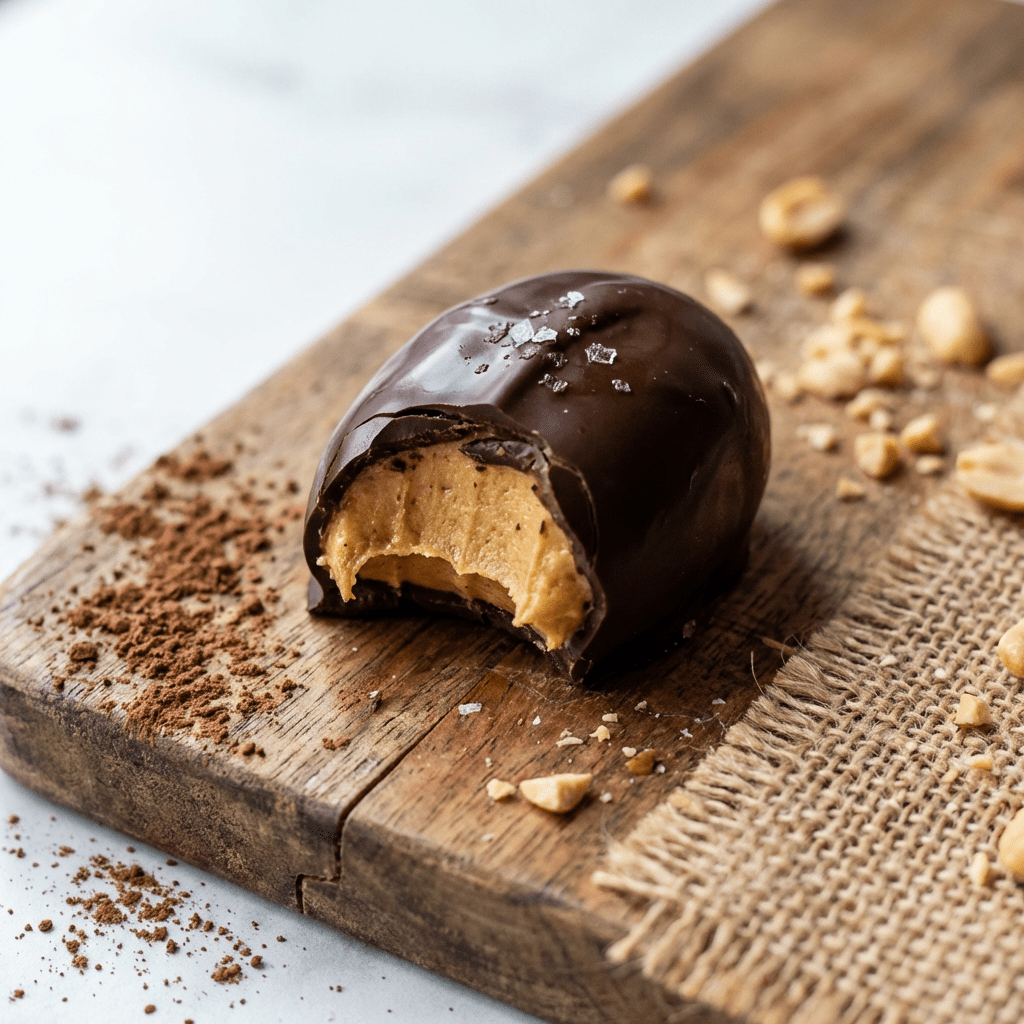
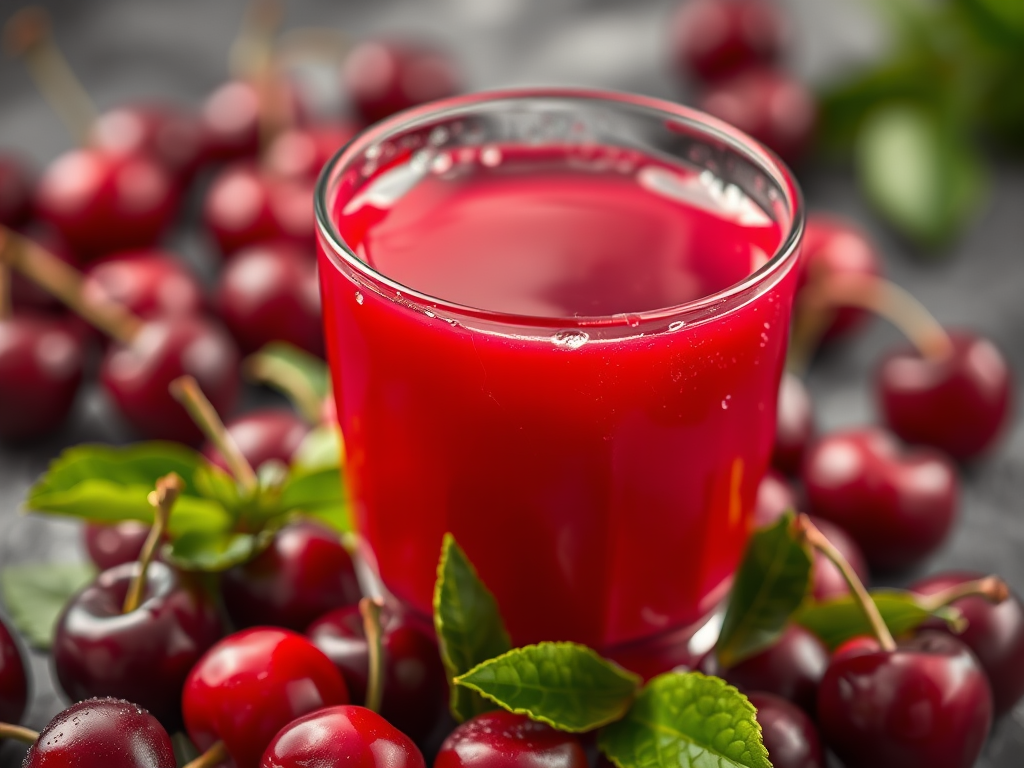
This Valentine’s Day, that box of dark chocolates may offer more than romance. A body of research indexed in PubMed reveals that dark chocolate’s primary flavanol, epicatechin, is a potent neuroprotective compound with remarkable potential for brain injury recovery.

“Epicatechin represents a promising therapeutic candidate for traumatic brain injury – its multi-pathway neuroprotection, from antioxidant defense to neurogenesis, makes it unlike any single pharmaceutical agent,” stated Wang et al. in 2024 in CNS Neuroscience & Therapeutics. Research shows that administering epicatechin after traumatic brain injury prevents neuronal death, reduced neuroinflammation, and restored neurological function by targeting the AKT-P53/CREB signaling pathway. This pathway then promotes cell growth and inhibits apoptosis. A 2025 meta-analysis in the Journal of Agricultural and Food Chemistry pooled 12 animal studies and confirmed epicatechin significantly improves outcomes across TBI, ischemic stroke, and other brain injury types, while reducing oxidative stress and boosting antioxidant defenses.

Dark chocolate’s brain benefits operate through multiple pathways: boosting cerebral blood flow by 8-10% via nitric oxide–mediated vasodilation, activating the Nrf2 antioxidant system, elevating the brain-derived neurotrophic factor critical for neuronal survival, and stimulating neurogenesis. Crucially, these are the very mechanisms disrupted by traumatic brain injury and stroke.

While most current TBI-specific evidence remains in animal models, the results are compelling. This Valentine’s Day, choose dark chocolate with the highest cocoa content you can find, preferably 70% or above. Your brain, and your loved one’s brain, will thank you.

Federal Research Reveals Complex Relationship Between Antidepressants & Brain Injury

For years, doctors worried that antidepressants might worsen brain bleeding after traumatic brain injury. A 2026 study published in Neurology and cataloged in the U.S. National Library of Medicine challenges that fear. Finnish researchers tracked 54,876 brain injury patients over thirteen years and found something unexpected: those taking antidepressants showed no increased risk of death or emergency surgery. “These findings provide reassurance for people who take antidepressants that antidepressant use does not appear to worsen early recovery after traumatic brain injury,” said lead author Dr. Jussi P. Posti of Turku University Hospital in January 2026.

The picture grows more complex when considering blood clots. Multiple studies indexed by the NLM show a modest statistical link between antidepressants and clotting. Researchers, though, suggest this association may reflect depression itself rather than the medication, since these drugs actually thin the blood.

This distinction matters enormously. According to federally funded research tracked by the National Institutes of Health, over half of brain injury patients develop depression within their first year of recovery, and they face eight times the general population’s depression risk. The CDC explicitly recommends screening and treating this depression because untreated cases impair cognitive recovery and triple non-adherence to rehabilitation.

Most critically, NIH-hosted research shows brain injury survivors face nearly twice the suicide risk of others, with depression as the strongest predictor. The government’s message is clear: not treating depression after brain injury can carry serious, documented dangers.

From Roasting to Recovery, the Different Iterations of Charcoal

Activated charcoal, long used in emergency rooms to treat poisoning, is emerging as a potential tool for preventing and treating brain injury. A March 2025 Canadian multicenter study published in the Canadian Journal of Emergency Medicine found that poisoned patients treated with activated charcoal had a 9.2% lower risk of increased toxicity, critical for preventing the brain damage that often follows severe overdoses.

Regular charcoal and activated charcoal are fundamentally different, as the former can actually cause brain damage. According to the Consumer Product Safety Commission, approximately 20 Americans die annually from carbon monoxide poisoning linked to charcoal grills used indoors, with survivors often suffering permanent neurological damage. The potential risk occurs because cooking charcoal undergoes simple carbonization, while activated charcoal receives additional treatment at extreme temperatures, creating a surface area exceeding 500 square meters per gram – five times greater than regular charcoal. This porous structure enables it to adsorb toxins before they reach the bloodstream and brain.

Currently, the Food and Drug Administration does not approve of activated charcoal as a food addictive or coloring agent, and in New York and other cities, it is banned for use in food and drinks. (Concern is due to the fact the activated charcoal is reported to cause constipation and nutritional deficits, as it can harden in the intestines.) Specifically related to traumatic brain injury, though, NIH-funded researchers at Rice University have developed oxidized activated charcoal nanoparticles that restore cerebral blood flow in animal models. According to StatPearls, the NIH’s clinical reference guide, updated in 2025, “Activated charcoal is most efficacious when given within one hour of ingestion of the toxin.”

Not Your Average Light Bulb Moment: Red Light Therapy Promising for Brain Injury Treatment

On January 23, 2026, the Journal of Neurotrauma reported on a form of preventative treatment for CTE, and other forms of brain injury: near-infrared light therapy. According to the article, this form of therapy, also known as photobiomodulation, “shines powerful near-infrared light at the brain through the skull, may be able to prevent or reduce subtle damage to the brain before symptoms start, by reducing brain inflammation caused by repetitive impacts.”  

While infrared light therapy may be lesser-known, reports show that the red light therapy and its benefits have, in fact, been known and ongoing for over a decade. Studies indicate this non-invasive, home-based therapy improves cognition, reduces PTSD symptoms, and increases cerebral blood flow by stimulating mitochondrial functio. 

Athletes who received this infrared light show significant reductions in markers of neuroinflammation and axonal stress compared to their pre-season baseline, suggesting the therapy preserves neural integrity. Dr. Carrie Esopenko, associate professor of neurology at University of Utah that, along with NYU, is running a four-year government-funded study on the treatment, hopes “the results will help keep athletes healthy across all sports” while ensuring families “can participate in sports safely for the long term.” Boston University Medical Campus is also investigating transcranial photobiomodulation (tPBM) using red and near-infrared LED devices to treat chronic traumatic brain injury (TBI) and PTSD.

Spicy Spray, Cool Results: Nano-Pepper Treatment Chills Brain Damage

University of Miami researchers announced in January 2026 that a revolutionary nasal spray that cools the brain after injury could soon help paramedics protect trauma victims before they reach the hospital. The technology uses “nanovanilloids” – microscopic particles derived from pepper-related compounds that activate the brain’s natural cooling system. When sprayed into the nose, these particles travel directly to the brain and trigger special receptors called TRPV1 [Transient Receptor Potential Vanilloid1] that lower brain temperature by up to 3.6°C.

Brain cooling after injury reduces inflammation and cellular damage, with NIH-funded studies showing up to 87% reduction in brain damage from stroke. An “umbrella review” of studies, posted in the NLM PubMed in October 2025, is more nuanced: “Studies have shown controversial results regarding the effect of TH [therapeutic hypothermia]… Some of the important parameters that may affect the results are the age of TBI patients, the use of barbiturates, target TH temperature, rewarming rates, and method of cooling.”

Current treatment methods require hospital equipment and carry significant side effects, but studies have shown that the nanovanilloid spray works within minutes and targets only the brain, leaving body temperature stable. Published in ACS Applied Materials & Interfaces, a peer-reviewed scientific journal, the breakthrough could transform emergency treatment for stroke, traumatic brain injury, and cardiac arrest. “These results mark one of the most important technological developments in therapeutic hypothermia over the past 30 years,” said Dr. W. Dalton Dietrich of the University of Miami Miller School of Medicine.

Chewing Gum’s Surprising Brain Benefits Come with Caution

In 2026, publications from The Economics Times to National Geographic, have reported on the unexpected benefits of chewing gum. The U.S. government has a long-released study that confirms this.  Nearly 30 years ago, the NIH published a study that found, “[Chewing] increased regional cerebral blood flow in the primary sensorimotor areas by 25-28%, in the supplementary motor areas and insulae by 9-17%, and in the cerebellum and striatum by 8-11%.” (Cerebral blood flow activates the hippocampus, critical for memory, and reduces stress hormones by 16%.) Multiple trials confirm improvements in alertness, sustained attention, and reaction times from chewing gum.

These benefits seem to have been almost forgotten though, as what has been more widely reported in the past decade is the harm that chewing gum causes the body. A study indexed in the NIH database found that chewing commercially available gum can release over 250,000 microplastic particles per hour. Research shows microplastics cross the blood-brain barrier, potentially contributing to oxidative stress and neuroinflammation linked to cognitive decline.

Pertaining to brain injury patients, medical professionals have long known chewing gum may be a boon. The aforementioned statistics note gum’s ability to enhance blood flow and hippocampal stimulation support neural recovery, while stress reduction aids in healing. Gum chewing is used in speech and oral motor rehabilitation therapy, strengthening muscles while stimulating neural pathways, and improving reaction times. Additionally, during these cognitive rehabilitation exercises, gum still retains its ability to reduce stress levels.

To capture benefits while avoiding microplastics and without artificial sweeteners, consider homemade alternatives using natural chicle or beeswax. Many websites offer such recipes, including: Instructables Utopia CookTilYummy. (I do not known the quality or tastiness of these recipes. If you choose to make chewing gum for its cognitive benefits, I recommend using fresh mint as an ingredient because of its own proven cognitive benefits)

“Marty Supreme” Brings Attention to Ping Pong’s Dual Role in Brain Health

As many anticipate 2026 Academy Award nominations to be announced tomorrow, one film, in particular, has gained Oscar buzz for cinematic acumen and, from me, its focus on an often overlooked sport. An A24 Films production Marty Supreme follows a 1950s ping pong hustler through his rise to glory. (Timothée Chalamet, who portrays the star table tennis player, has already won a Golden Globe for the role.) But beyond Hollywood, the sport at the heart of the film has proven transformative for brain injury patients.

Recent NIH research reveals that ping pong has remarkable therapeutic potential for traumatic brain injury recovery. A 2024 study published in Brain Research and indexed in NIH PubMed demonstrated that long-term table tennis training significantly alters dynamic functional connectivity and white matter microstructure in large-scale brain regions – enhancing cognitive function and attention in patients recovering from neurological injuries. This is due to the sport’s simultaneous engagement of visual tracking, motor coordination, and rapid decision-making, which triggers neuroplasticity, the brain’s ability to rewire itself. A 2024 stroke rehabilitation study in the database showed significant brainwave changes in patients practicing seated table tennis, with enhanced activity in frontal and temporal regions associated with sensorimotor integration. This additionally supports broader applications of the sport for traumatic brain injury rehabilitation.

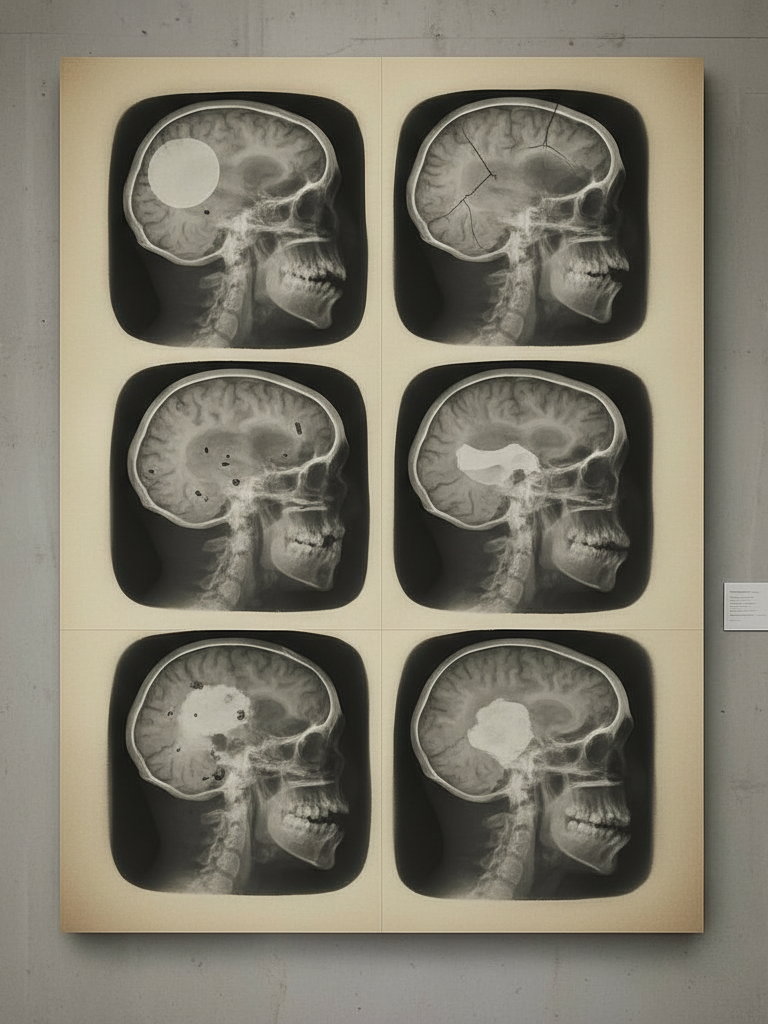
However, the term “ping pong” isn’t singly used to define the sport of table tennis. Ironically, “ping pong fracture” is the term used to describe a very serious infant condition: a depressed skull fracture that resembles a dented ball. These fractures occur in approximately 3 per 10,000 live births, often as the result of difficult deliveries. Fortunately, a 2022 World Neurosurgery systematic review of 228 cases found 96.4% achieve favorable outcomes without lasting neurological damage. Most resolve spontaneously within six months.

As is apparent, science continues to prove that ping pong’s medical connections, whether through the healing effects to the injured brain of gameplay or used to describe neonatal trauma, run deeper than any championship rally.

Internasal Exploration of Brain Injury Treatment

Zunveyl (benzgalantamine) tablets are used to treat Alzheimer’s, FDA-approved in July 2024. Through a $750,00 grant, awarded by the Department of Defense AMRMC, Army Medical Research and Material Command to Alpha Cognition, the manufacturer behind Zunveyl, has since been exploring its additional treatment possibilities. In a January 8, 2026 press release, CEO of Alpha Cognition CEO Michael McFadden stated, “We are exploring Zunveyl and its effect on cognitive impairment with mild Traumatic Brain Injury [for which there no current FDA-approved treatment].”

The scientific rationale behind Zunveyl, not as a tablet, but as an internasal formation, for brain injury centers on acetylcholine* disruption following a TBI. Studies have shown that this delivery system achieves 10-fold higher brain concentration compared to oral administration.

*Acetylcholine is a neurotransmitter that relays signals between nerves and muscles for voluntary movement, triggering muscle contraction at the neuromuscular junction; it also plays crucial roles in the brain for learning, memory, attention, and in the autonomic nervous system for functions like heart rate, digestion, and breathing, acting as both an excitatory and inhibitory messenger depending on the receptor

Two NIH-Funded Studies Offer Hope for Preventing Neonatal Brain Injury in 2026

As reported in the NIH database in November 2025, “In recent years, there has been increasing interest in identifying and validating biomarkers capable of predicting the onset and progression of IVH, as well as other forms of neonatal brain injury.“ Two studies published this month offer fresh hope for preventing and treating neonatal brain injuries, conditions that affect thousands of American infants each year and can lead to lifelong disabilities.

Detailed in Pediatric Research on January 3, a comprehensive care model demonstrates how integrated treatment from prenatal care through early childhood can improve outcomes for at-risk newborns. Of the approximately 3.6 million babies born annually in the United States, about 10 – 15% require Neonatal Intensive Care Unit admission. The collaborative program addresses what researchers call a critical window, as “injuries during these stages can lead to lifelong disabilities.”

Meanwhile, Stanford University researchers reported January 5 in the Journal of Perinatology that advanced monitoring techniques can better predict dangerous brain bleeds in premature infants. Their study of 482 preterm babies found that low cerebral oxygenation increases mortality risk more than fourfold.

Both studies build upon past NIH-supported research through the Neonatal Research Network.

NIH Hypoglycemia-Fall Studies Explain “Marvel” Actor’s Trauma

When Marvel actress Evangeline Lilly fainted and fell face-first onto a Hawaiian boulder in May 2025, she sustained a brain injury. During her beach outing, the actress fainted and fell face-first onto a boulder, resulting in brain damage affecting “almost every area” of cognitive function. Last week, as has been widely reported, the actress revealed on Instagram that recent brain scans confirm lasting damage from this fall.

As to her prior medical history, Lilly has revealed that she suffers from hypoglycemia, or low blood sugar. Since she was a child, she has explained that she would have fainting spells due to this condition. Hypoglycemia-induced falls can lead to traumatic brain injury. (While such falls can happen at any age, older adults with diabetes are particularly at risk.) NIH-published studies have documented this dangerous cascade. Research found in the NIH PubMed database confirms that hypoglycemia can trigger loss of consciousness and substantially increase fall risk. A 2025 study examined how hypoglycemia-induced falls cause distinctive brain damage patterns affecting the hippocampus, cerebral cortex, and basal ganglia. Researchers at Washington University School of Medicine, funded by NIH grants, found that hypoglycemic brain injuries differ from other trauma types, causing widespread neuronal death when glucose levels drop critically low.

The “Lost” star now faces what she calls an “uphill battle” for recovery that is an all too familiar journey experienced by many from this medically recognized connection.