Another Study Links TBI & PTSD to Cognitive Decline – But Not Through Brain Plaques

A study published May 30, 2026, in the Journal of Alzheimer’s Disease is reshaping how researchers understand cognitive decline in combat veterans. Using data from the Department of Defense’s Alzheimer’s Disease Neuroimaging Initiative, USC researchers examined how TBI and PTSD affect brain imaging markers and cognition in a U.S. veteran population.
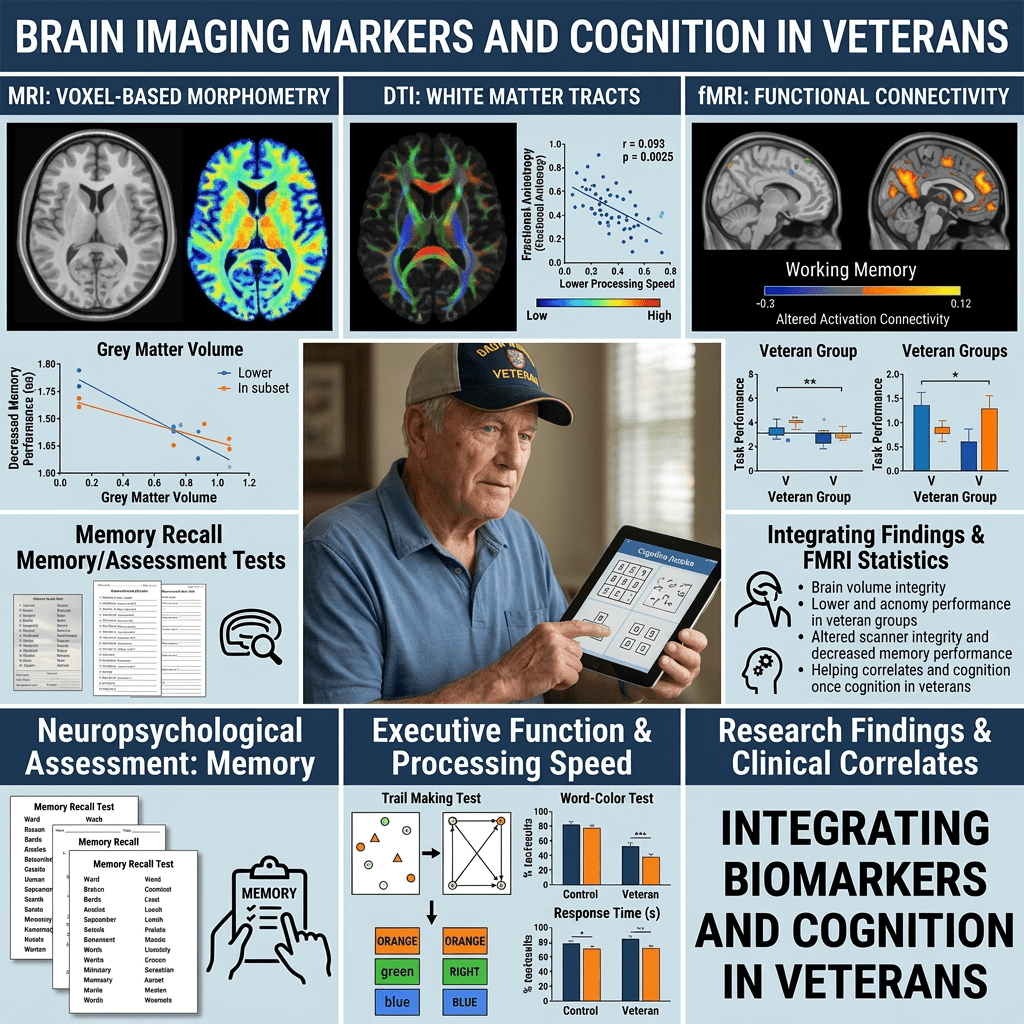
Brain imaging results and cognitive test data assessing memory and executive function in veterans

The study found that greater PTSD symptom severity was linked to poorer performance across all three cognitive tests used, and higher TBI severity correlated with lower scores on the Mini-Mental State Examination. What is striking about these findings is that they did not show that TBI severity nor PTSD symptoms were associated with neuroimaging biomarkers of neurodegeneration or vascular damage.

This discovery suggests that cognitive impairment in veterans may not stem directly from the accumulation of Alzheimer’s pathologies or vascular injuries. This matters enormously for treatment. It suggests veterans’ cognitive struggles may require targeted interventions beyond standard dementia pathways – a finding directly relevant to legislative reauthorizing of funding for federal TBI surveillance and research programs.
Tiny “Brain” Yields Big Answers About Concussions

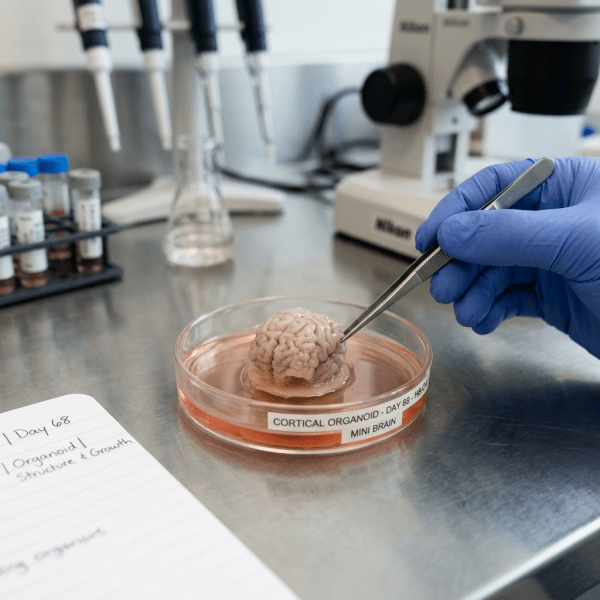
Gloved hand holding tweezers manipulating a miniature brain organoid in a petri dish on a lab bench

What if a pea-sized cluster of lab-grown cells could unlock the mysteries of brain injury? Researchers at the University of Cincinnati’s College of Engineering and Applied Science have been doing just that:

Reported by UC on April 21, 2026, UC Assistant Professor Volha “Olga” Liaudanskaya has engineered a tiny, functioning replica of human brain tissue that researchers can safely study. Termed a “mini-brain”, these lab-grown models combine three types of brain cells with two vascular cell types. This, then, creates a complex five-cell system she can observe in living tissue. Simulating concussions and mild traumatic brain injuries on this model, UC engineers can uncover how blunt-force impacts trigger cellular chain reactions that may ultimately lead to long-term neurodegenerative diseases. (Prior models lacked the vascular components, which researchers now recognize as key, driving brain inflammation and degeneration, perhaps reshaping how America protects its athletes, veterans, and kids.)

According to 2026 estimates by the Centers for Disease Control and Prevention, children alone sustain nearly 4 million concussions every year, so the results of this “mini” innovation may be enormous.