VA’s MDMA Trial Offers New Hope, Particularly for the Brain Injured

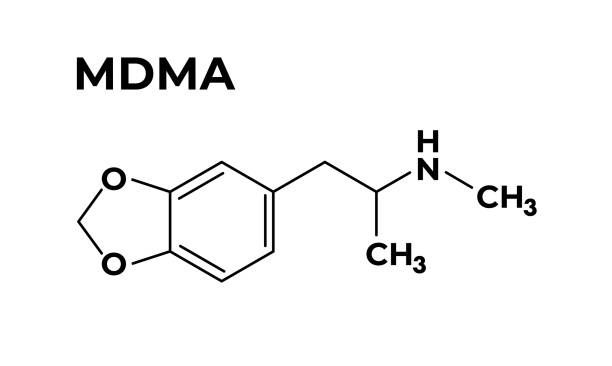
On May 26, 2026, the VA announced a clinical trial to test MDMA-assisted therapy for veterans battling PTSD and alcohol use disorder. The study, which began enrollment quietly on May 18, is one of 19 psychedelic trials the VA is funding through $23 million in external grants, enrolling approximately 80 veterans at facilities in Providence, Rhode Island, and West Haven, Connecticut, with results expected in May 2030.

The trial will study the safety and effectiveness of MDMA-assisted therapy to address conditions that do not fully respond to standard treatments. For those living with traumatic brain injury, the treatment’s benefit may be significant. Research shows that patients with head injuries are more likely to develop PTSD than those without a TBI history. Studies confirm that veterans with probable TBI have 1.72 times greater odds of developing PTSD.

“This trial represents an important step in safely evaluating new approaches and innovations to treat Veterans with severe mental health conditions,” said VA Secretary Doug Collins. For the hundreds of thousands of veterans carrying both a damaged brain and a traumatized mind, it may represent something even more profound: a second chance at healing.

Another Study Links TBI & PTSD to Cognitive Decline – But Not Through Brain Plaques

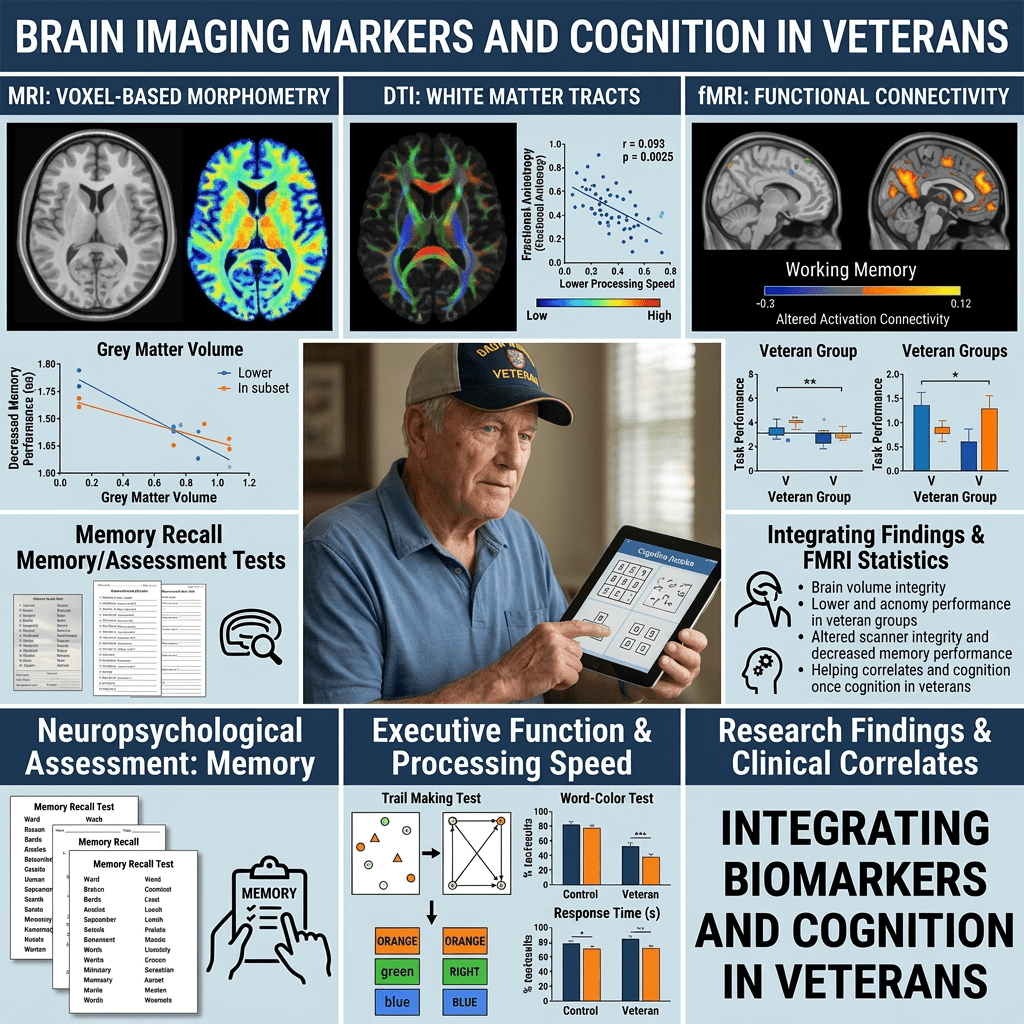
A study published May 30, 2026, in the Journal of Alzheimer’s Disease is reshaping how researchers understand cognitive decline in combat veterans. Using data from the Department of Defense’s Alzheimer’s Disease Neuroimaging Initiative, USC researchers examined how TBI and PTSD affect brain imaging markers and cognition in a U.S. veteran population.

Brain imaging results and cognitive test data assessing memory and executive function in veterans

The study found that greater PTSD symptom severity was linked to poorer performance across all three cognitive tests used, and higher TBI severity correlated with lower scores on the Mini-Mental State Examination. What is striking about these findings is that they did not show that TBI severity nor PTSD symptoms were associated with neuroimaging biomarkers of neurodegeneration or vascular damage.

This discovery suggests that cognitive impairment in veterans may not stem directly from the accumulation of Alzheimer’s pathologies or vascular injuries. This matters enormously for treatment. It suggests veterans’ cognitive struggles may require targeted interventions beyond standard dementia pathways – a finding directly relevant to legislative reauthorizing of funding for federal TBI surveillance and research programs.

The Connection Between TBI & Brain Cancer

On September 23, 2025, the University of Missouri School of Medicine reported groundbreaking findings that adults with moderate-to-severe traumatic brain injury face a 50% increased risk of developing brain cancer. The cancer is defined by malignant tumors that grow rapidly and invade surrounding brain tissue. Brain cancer affects approximately 24,820 Americans annually, according to the American Cancer Society, with a 33% five-year survival rate. Importantly, brain cancer itself is classified as an acquired brain injury—a form of non-traumatic brain damage that disrupts brain function.

The relationship between brain injury and brain cancer involves a fascinating interplay. While brain cancer causes acquired brain injury through tumor growth, research now suggests moderate-to-severe traumatic brain injuries may trigger brain cancer development through inflammation synergizing with existing genetic mutations. Not all brain tumors are cancerous, though. Approximately 72% are benign, even if they are still potentially serious depending on location.

Dr. Nimish Mohile of the University of Rochester notes that, “we’re starting to see progress with targeted therapies in the field of neuro-oncology,” offering hope for improved outcomes. Current NIH Director, Dr. Monica Bertagnolli, highlights that, “an AI-based diagnostic system can determine in just 10 seconds if part of a cancerous brain tumor that could be removed still remains,” demonstrating technological advances in treatment.

Prevention strategies include wearing helmets, preventing falls, and maintaining workplace safety—the same measures that protect against head injuries may reduce brain cancer risk. For those diagnosed with brain cancer, treatment often mirrors brain injury rehabilitation, as well—physical therapy, occupational therapy, speech therapy, and cognitive rehabilitation. These comprehensive approaches help patients regain function and improve quality of life, with research showing brain tumor patients recover at rates comparable to stroke and traumatic brain injury patients.

The encouraging news is that while moderate-to-severe TBI increases risk, the absolute probability remains low, and advances in early detection and treatment continue to improve outcomes. Still, patients with TBI history may benefit from monitoring for early tumor detection.

VA Recognizes TBI Mistake: Positive, But Possibly Too Late

According to the Defense and Veteran’s Brian Injury Center (DVBIC), a cooperative between the Department of Defense and Veteran’s Affairs, “Traumatic brain injury (TBI) is a significant health issue which affects service members and veterans during times of both peace and war.”  Given that the military recognizes that traumatic brain injury (TBI) is a major problem, it is a shock that, since 2007, 25,000 veterans who are now known to suffer from traumatic brain injury were not initially diagnosed and treated for TBI.  (Tested by doctors who have been found to be unqualified, these veterans were diagnosed with post-traumatic stress disorder (PTSD).  PTSD is terrible, yes, but more treatable than TBI.)

Through this major error, tens of thousands of veterans were not given the appropriate medical and financial help they needed and deserved.  Fortunately, the military now realizes its mistakes and can rectify them and prevent them from happening again.  For many veterans, who have struggled for years to get the military to recognize its difficulties, though, is it too little, too late?

(To learn more about TBI and the military from past service members, visit http://www.disabledveterans.org/.)