In 2013, the University of Buffalo found that of the four participants who underwent daily aerobic exercise, all benefited neurologically, particularly in decreasing exhaustion. In 2015, the National Institute of Health (NIH) conducted a 12-week study with the same results: “individuals with TBI may benefit from participation in vigorous aerobic exercise training with improved cardiorespiratory fitness and diminished fatigue.” Currently, the University of Kansas is performing a two-year, $500,000 clinical study, sponsored by the Department of Defense, to see if the same applies to wounded warriors. (The reason why this is even a question is because traditionally, rest is the recommended remedy for a “knock to the head”.)
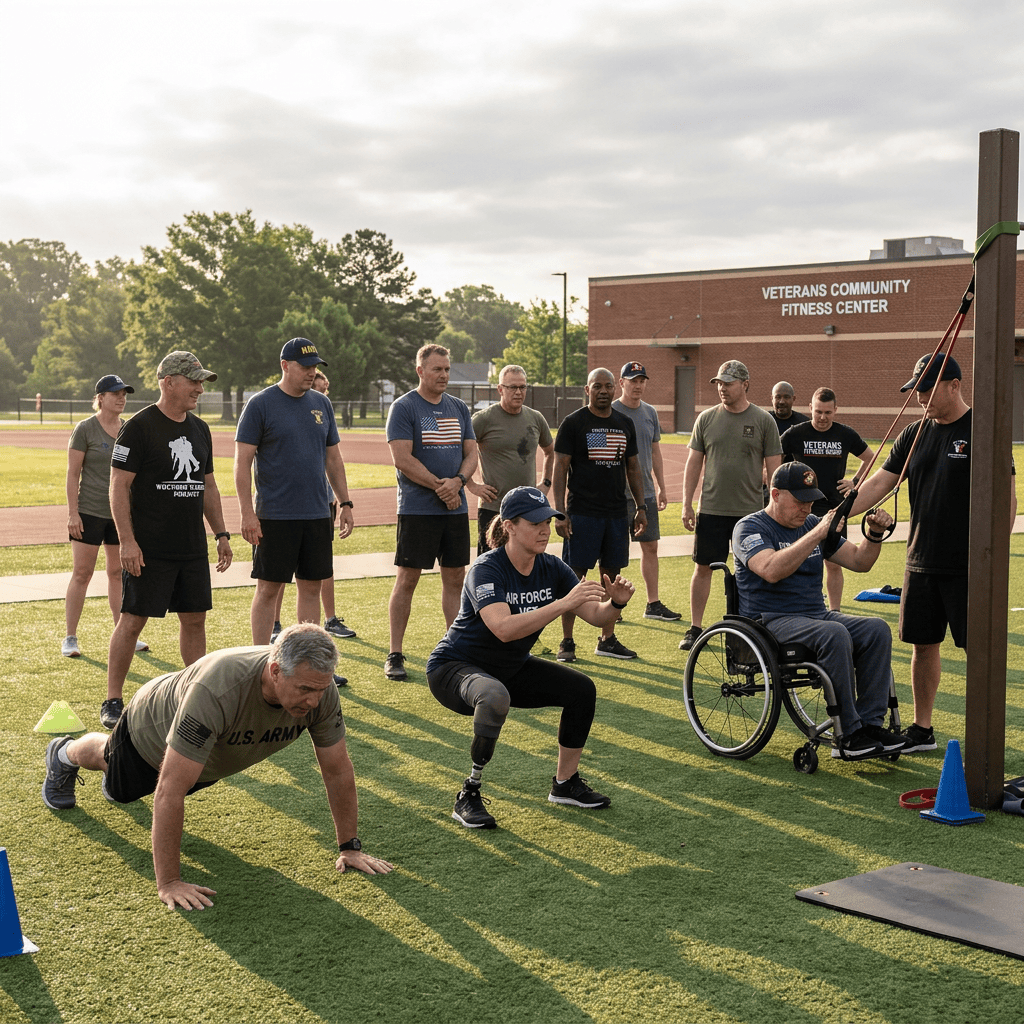
As opposed to the Buffalo study, the study in Kansas will include more than 100 hundred wounded warriors, stationed in Fort Riley, all of whom were affected by explosive devices. Also, as the leaders of the study and exercise trainers will agree, all exercise is not the same and does not provide to same benefits. Therefore, “instead of lifting weights, we want the soldiers running more to improve their aerobic capacity,” says David Johnson, the leader of the study, explaining the aim of the study in a news release. Beyond fatigue, the study expects to find that aerobic exercise helps the brain heal in other ways, such as in memory and thinking, anxiety and depression. While this study is focused on the benefits of exercise for those with mild traumatic brain injury, the results may have benefits for other neurological conditions, such as in aiding those with severe TBI, Alzheimer’s disease, etc. More so, it could reaffirm the neurological benefits of exercise for all.