VA Health Care Uses New Treatment Tech to Bring Silence

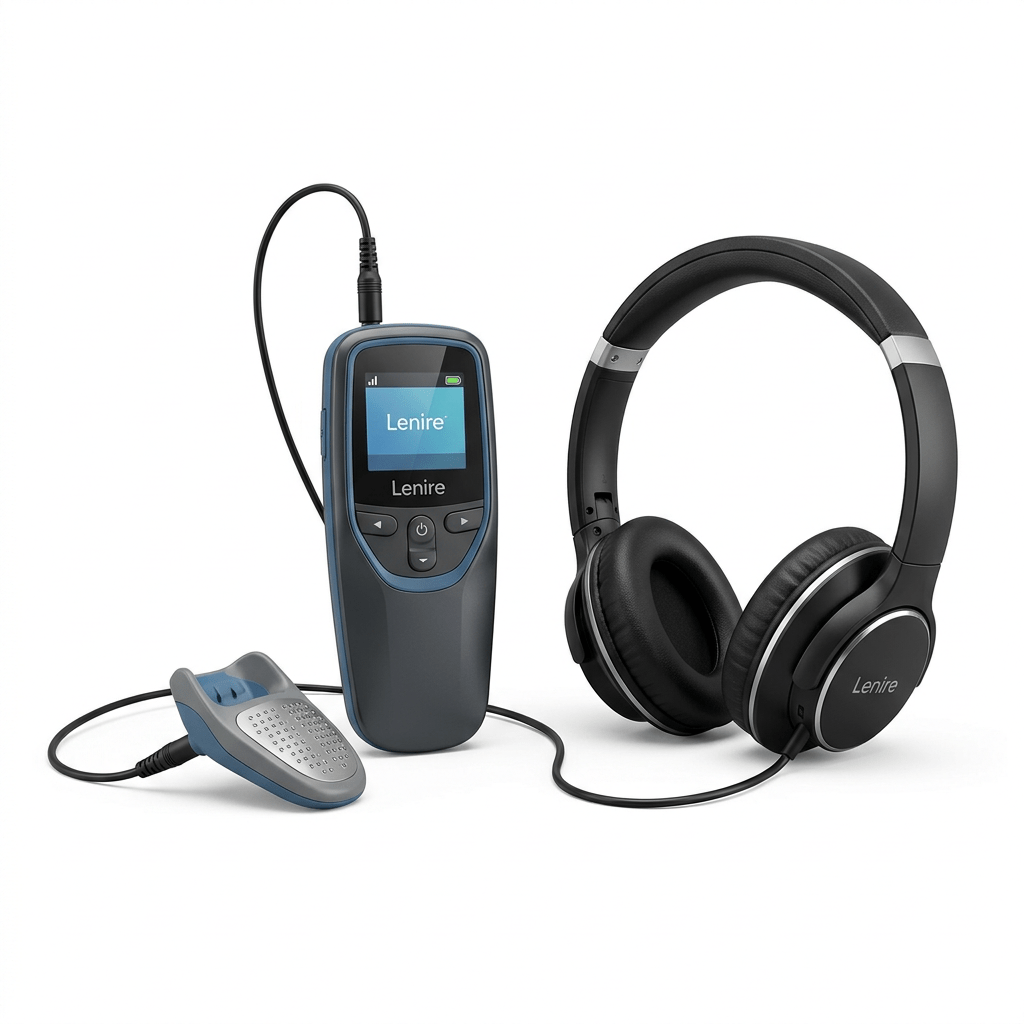
Lenire tinnitus therapy device with handheld control, headphones, and tongue stimulator

For many, a brain injury doesn’t end when the wound heals. One of its most persistent aftereffects of brain injury is tinnitus, a relentless ringing, buzzing, or hissing in the ears that no one else can hear. Scientifically. when the brain sustains trauma, the auditory pathways that process sound can become dysregulated, causing the nervous system to essentially generate phantom noise around the clock. Affecting up to 53% of people who sustain traumatic brain injury, tinnitus is not just annoying, it can fuel anxiety, disrupt sleep, and greatly erode quality of life.

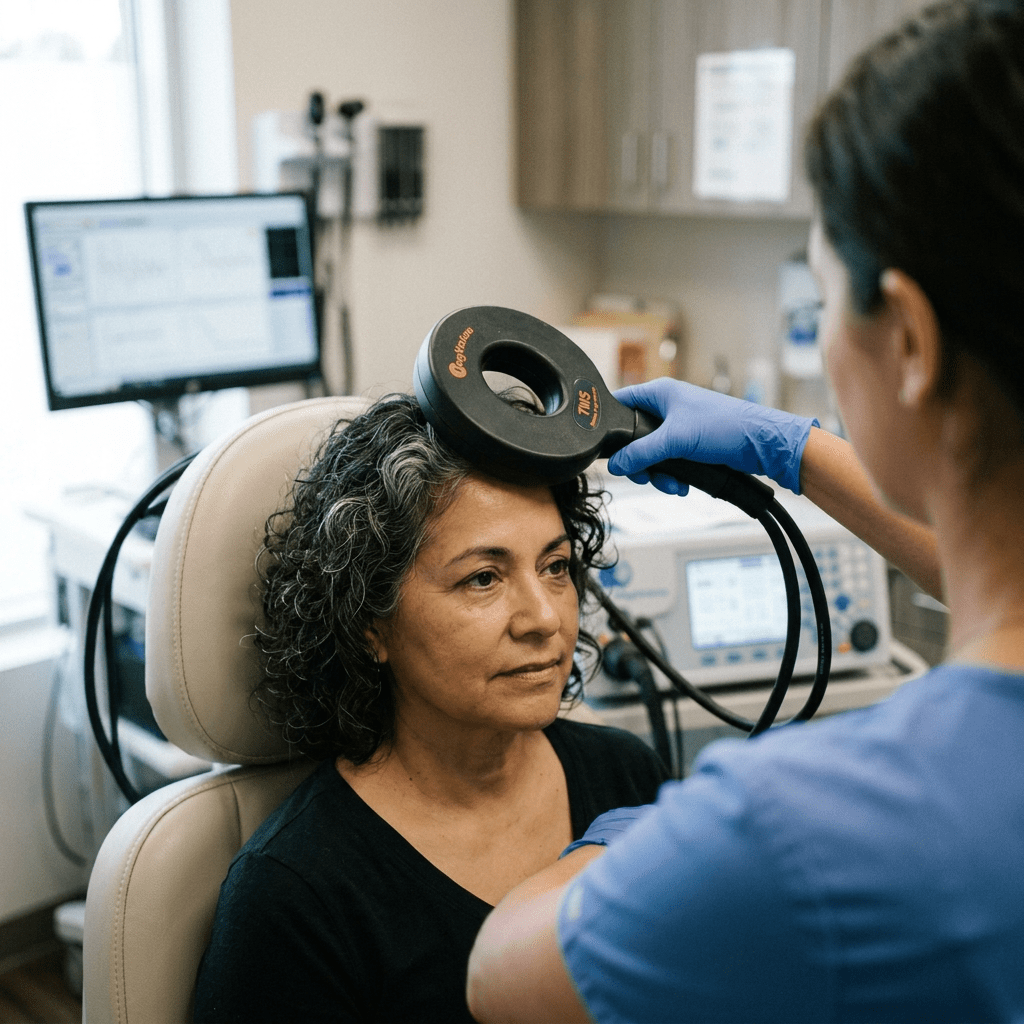
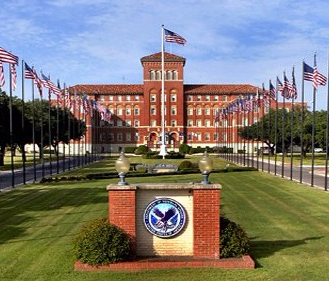
Tinnitus is also the leading service-connected disability among veterans. Up to three-quarters of veterans with a brain injury, especially blast-induced brain injuries, will develop tinnitus. In response, a major new treatment is in development: “The Atlanta VA Health Care System marked a significant milestone in Veteran care on April 2, 2026, with the first use of the Lenire tinnitus treatment technology,” reported the Office of Veterans Affairs. FDA-cleared, the Lenire treatment is a bimodal neuromodulation device that stimulates both the tongue and the ears simultaneously to retrain the brain’s response to tinnitus. Rather than masking the phantom sound, it targets the neurological root of the problem.

Neuromod Devices, the medtech company behind the Lenire treatment, states their device is “Effective, Safe and Calming”. For veterans and others who have long suffered, this launch may mean real relief is finally within reach.

House Introduces a BEACON of Hope for Veterans with Brain Injuries

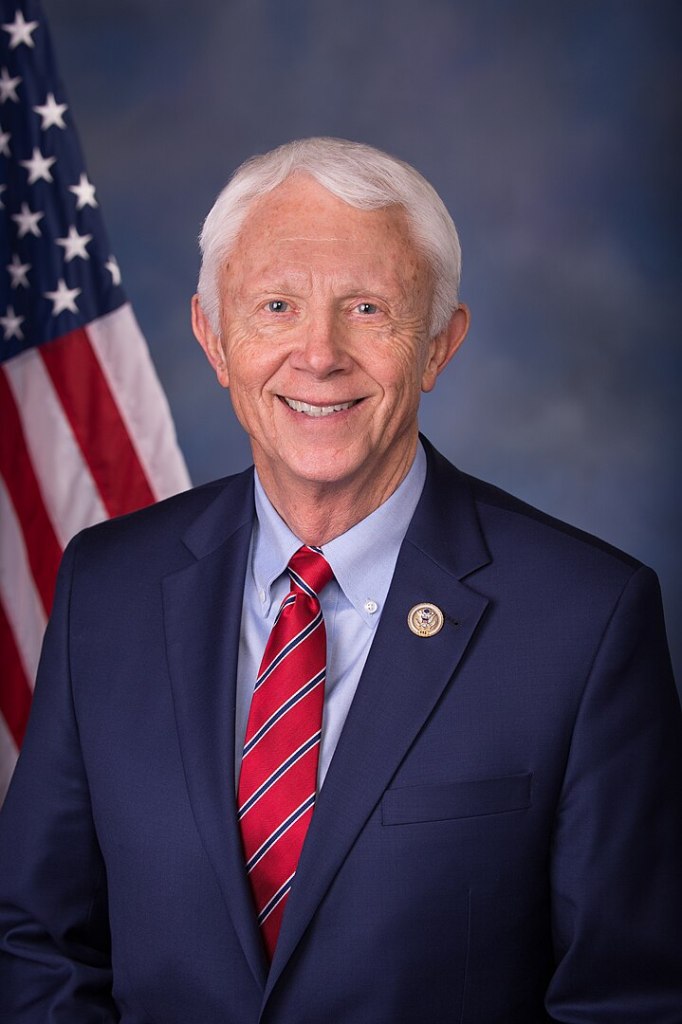
Representative Jack Bergman (MI), along with 5 original co-sponsors [Sarah Elfreth (MD), Kimberlyn King-Hinds (MP), Donald G. Davis (NC), Derrick Van Orden (WI), Morgan Luttrell (TX)] introduced the BEACON Act, H. R. 6993, in January 2026 to transform how the Department of Veterans Affairs treats traumatic brain injuries. The Veterans TBI Breakthrough Exploration of Adaptive Care Opportunities Nationwide Act establishes two grant programs totaling $60 million to fund innovative, non-pharmacological treatments for mild-to-moderate TBI.*

The sponsor of the bill and at least one of its co-sponsors bring personal stakes to this fight. Bergman, a retired Marine Lieutenant General with 40 years of service including Vietnam combat, witnessed how invisible injuries affect service members. Elfreth watched her grandfather – a Korean and Vietnam War veteran – suffer from PTSD, inspiring her earlier success passing Maryland’s David Perez Military Heroes Act.

Veterans often feel “unseen, unheard, and alone” navigating systems that treat symptoms rather than people. The BEACON Act addresses these gaps by funding research into evidence-based alternatives, training clinicians, and partnering academic institutions with VA facilities to bring innovative care directly to veterans.

*Per bill text, the TBI Innovation Grant Program will “award grants to eligible entities… for the development, implementation, and evaluation of approaches and methodologies for prospective randomized control trials for 11 neurorehabilitation treatments for the treatment of chronic mild TBI (mTBI) in veterans.” Additionally, the Act with provide grants for “independent third-party research studies and treatment with respect to supplemental neurorehabilitation treatments of mTBI.”