Senate Marks National Concussion Awareness Day

The U.S. Senate unanimously consented to a resolution supporting the designation of September 18, 2026, as National Concussion Awareness Day, on September 23.
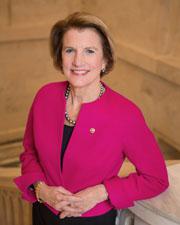
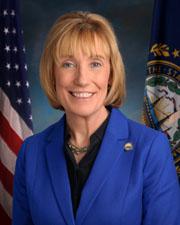
Cosponsored by Sen. Maggie Hassan (NH) and Sen. Shelley Moore Capito (WV), S.Res. 892 encourages federal, state, and local policymakers to raise awareness and improve understanding of diagnosis and management of this most common form of mild traumatic brain injury and calls for further research and prevention efforts. To support this, the resolution cites a number of statistics, including CDC data noting “between 2001 and 2018, an estimated 3,800,000 children under age 17 visited an emergency department because of a traumatic brain injury sustained during sports- or recreation-related activities.”

“Recognizing the signs of a concussion early helps people get the treatment they need to prevent lasting neurological damage from these injuries,” Hassan said. Capito concurred: “Improving concussion prevention, raising awareness, and strengthening diagnosis and treatment are critical to keeping athletes, coaches, parents, and others safe and informed on the field and in the workplace.
House Introduces a BEACON of Hope for Veterans with Brain Injuries

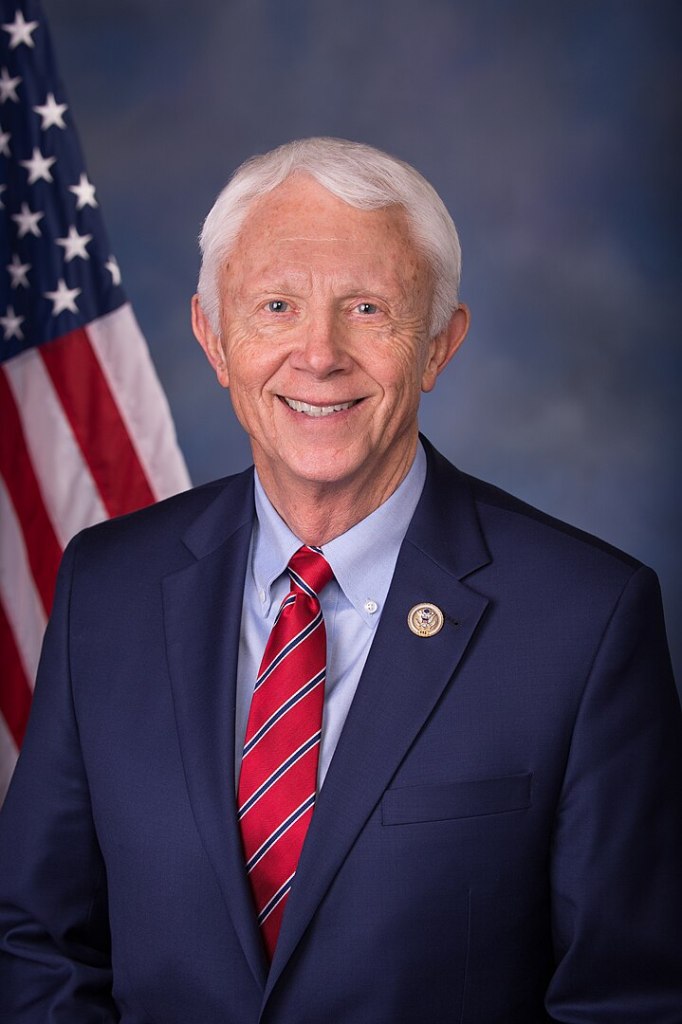
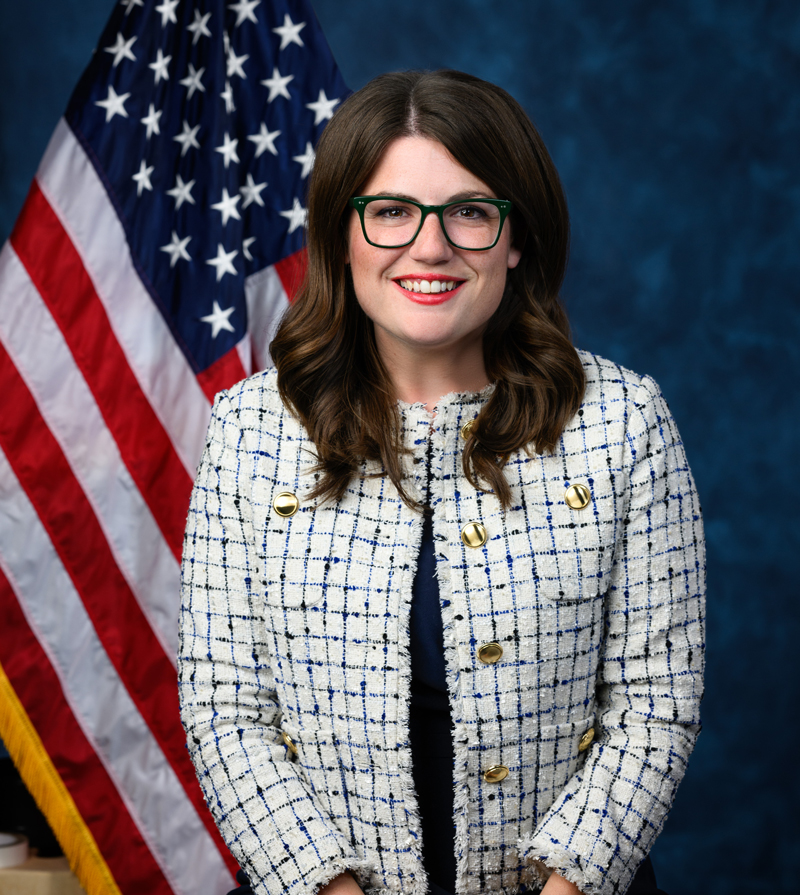
Representative Jack Bergman (MI), along with 5 original co-sponsors [Sarah Elfreth (MD), Kimberlyn King-Hinds (MP), Donald G. Davis (NC), Derrick Van Orden (WI), Morgan Luttrell (TX)] introduced the BEACON Act, H. R. 6993, in January 2026 to transform how the Department of Veterans Affairs treats traumatic brain injuries. The Veterans TBI Breakthrough Exploration of Adaptive Care Opportunities Nationwide Act establishes two grant programs totaling $60 million to fund innovative, non-pharmacological treatments for mild-to-moderate TBI.*

The sponsor of the bill and at least one of its co-sponsors bring personal stakes to this fight. Bergman, a retired Marine Lieutenant General with 40 years of service including Vietnam combat, witnessed how invisible injuries affect service members. Elfreth watched her grandfather – a Korean and Vietnam War veteran – suffer from PTSD, inspiring her earlier success passing Maryland’s David Perez Military Heroes Act.

Veterans often feel “unseen, unheard, and alone” navigating systems that treat symptoms rather than people. The BEACON Act addresses these gaps by funding research into evidence-based alternatives, training clinicians, and partnering academic institutions with VA facilities to bring innovative care directly to veterans.

*Per bill text, the TBI Innovation Grant Program will “award grants to eligible entities… for the development, implementation, and evaluation of approaches and methodologies for prospective randomized control trials for 11 neurorehabilitation treatments for the treatment of chronic mild TBI (mTBI) in veterans.” Additionally, the Act with provide grants for “independent third-party research studies and treatment with respect to supplemental neurorehabilitation treatments of mTBI.”