Senate Marks National Concussion Awareness Day

The U.S. Senate unanimously consented to a resolution supporting the designation of September 18, 2026, as National Concussion Awareness Day, on September 23.

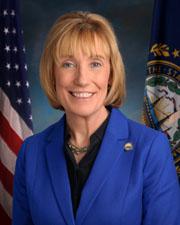
Cosponsored by Sen. Maggie Hassan (NH) and Sen. Shelley Moore Capito (WV), S.Res. 892 encourages federal, state, and local policymakers to raise awareness and improve understanding of diagnosis and management of this most common form of mild traumatic brain injury and calls for further research and prevention efforts. To support this, the resolution cites a number of statistics, including CDC data noting “between 2001 and 2018, an estimated 3,800,000 children under age 17 visited an emergency department because of a traumatic brain injury sustained during sports- or recreation-related activities.”

“Recognizing the signs of a concussion early helps people get the treatment they need to prevent lasting neurological damage from these injuries,” Hassan said. Capito concurred: “Improving concussion prevention, raising awareness, and strengthening diagnosis and treatment are critical to keeping athletes, coaches, parents, and others safe and informed on the field and in the workplace.

Update: Mercury on the Mind

Industrial refinery at sunset with a yellow danger sign warning of mercury area and hazardous chemicals

Mercury is a potent neurotoxin. It is particularly dangerous for pregnant women and young children. As a 2018 TBI on the Hill piece noted, mercury exposure “may delay developmental milestones” in fetuses and children, and acute poisoning can bring tremors, slurred speech, and hallucinations.

The EPA finalized the 2012 Mercury and Air Toxics Standards, targeting coal- and oil-fired power plants. In 2024, these standards were tightened by Congress. Supporters of this heightening of standards argued that the tighter limits reduced toxic exposures tied to neurological harm. Critics countered that by 2021 mercury emissions were already down 90% from pre-2012 levels, and the 2024 update’s compliance costs outweighed its measurable benefits.

In February 2026, the EPA repealed the 2024 update, reverting to 2012 standards. In turn, on April 27, 2026, Senator Whitehouse (RI) introduced S.J.188 to reinstate 2024 standards, which would nullify the presidential proclamation from earlier this year. When the Act went to the Senate floor on June 3, 2026, the resolution failed 46-53, with voting falling in party lines, as they considered (1) Did the 2024 rule cause unnecessary economic stress on the industry, costs that are then passed on to the consumer”, and/or (2) Are the brain-protective regulations too great for the government to ignore?