VT Acknowledges Your Brain Has Rights

Vermont state flag flying on a pole with mountainous landscape in background

When Vermont Governor Phil Scott signed H.814 into law on May 18, 2026, it marked a quiet but historic moment: every Vermonter gained a legal right to the privacy of their own mind. For the brain injury community, which is a population that increasingly relies on brain-computer interfaces, AI-powered rehabilitation tools, and wearable neurotechnology, the law provides a crucial layer of protection for some of the most intimate data imaginable.

Formally titled “An act relating to neurological rights and the use of artificial intelligence technology in health and human services,” H.814 takes effect July 1, 2026. The bill legally recognizes what should already be commonsense: every Vermonter has a right to “mental and neural data privacy,” “the freedom of thought,” and protection from “unauthorized access to or manipulation of an individual’s brain activity.” For those with brain injuries who depend on neurotechnology for communication, mobility, or cognitive support, that last phrase is a safeguard for the data generated at the most vulnerable intersection of their lives.

With this bill, Vermont joins Colorado, California, Montana, and Connecticut, though each of which has taken a distinct approach to neurological privacy. Colorado and California moved first in 2024, amending existing consumer privacy statutes to classify neural data as sensitive personal information. Montana went further with a standalone law amending its Genetic Information Privacy Act, requiring robust consent and uniquely prohibiting the storage of neural data in U.S.-sanctioned countries. Connecticut’s 2025 amendment was narrower, covering only the central nervous system. Vermont’s law aligns most closely with Connecticut’s, in that it establishes specific rights, while directing the state’s AI Advisory Council to develop further ethical guidelines, which extends through 2030.

Sponsored by State Representative Brian Cina, a clinical social worker, Vermont’s new legislation, and beyond the aforementioned five states that have similar laws, Massachusetts, Minnesota, Illinois, and New York are currently advancing similar bills. For the brain injury community, the question is no longer whether neurotechnology will be part of care and recovery, as it already is. The question is whether the law will keep pace.

E-Bikes and Brain Injury: The Risks, the Recovery, and the Law

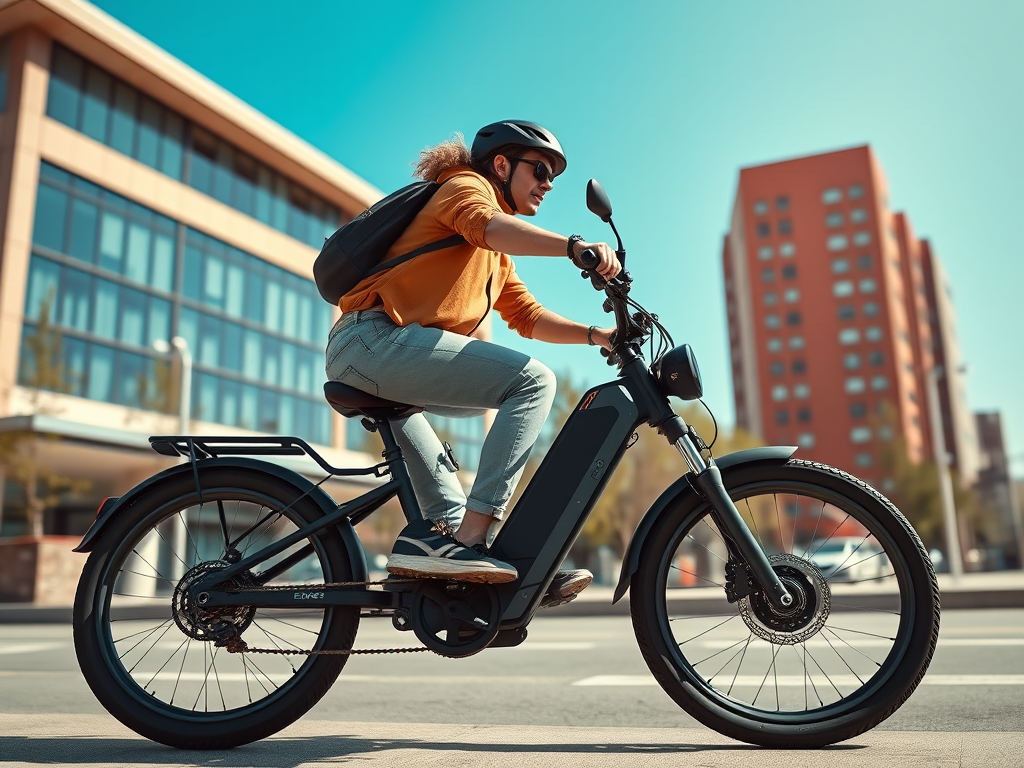
E-bikes continue to grow in popularity, allowing one to avoid automobile traffic. But because e-bikes can reach speeds of 20 to 28 mph or more, crashes carry serious consequences, including severe traumatic brain injuries. More so, studies have found that young e-bikers suffer traumatic brain injuries at nearly twice the rate of traditional cyclists (37.8% vs. 19.4%). Notably, only 44% of hospitalized e-bike riders were wearing helmets, and helmetless riders were almost twice as likely to sustain a head injury.

The case of Bella Prince, a Utah teenager who crashed her e-bike into a retaining wall at 40 mph and tumbled 25 feet down a cliff, brought special attention to the e-bike issue in the State. The teen survived because of emergency neurosurgery, but she was left with a severe traumatic brain injury. Horrific stories like Bella’s are driving legislative action. Utah’s HB 381, Electric Mobility Device Amendments, passed both the House and Senate with broad support on February 13, 2026. The bill requires helmets for e-bike riders under 21 and empowers police to impound e-bikes from unsafe riders. (As of March 16, 2026, HB 381 has not been signed into law by the governor.)

Currently, only Alabama, Connecticut, and Massachusetts require helmets for all e-bike riders of every age and class. California, Georgia, Louisiana, Ohio, Tennessee, and Virginia, mandate helmets for all Class 3 e-bike riders, with Class 3 defined as bikes that are pedal-assist up to 28 mph. California also enacted a package including AB 1778 in 2024, which created a Marin County pilot program requiring all Class 2 riders to wear helmets and banning riders under 16 from Class 2 e-bikes. In New York, pending bill S2526 would require helmets for all e-bike and bicycle riders in larger cities, though the same bill has failed in prior years. New Jersey S4834/A6235 abolished the three-class system entirely and reclassified all e-bikes as “motorized bicycles” requiring licensing, registration, insurance, and mandatory helmets beginning in January 2026. However, as of now, no federal e-bike helmet law exists.

Yet e-bikes can also be part of traumatic brain injury recovery. The pedal-assist feature allows TBI survivors with limited stamina, balance issues, or motor challenges to engage in outdoor physical activity, which research links to improved cognitive function and mental health during rehabilitation.

Ultimately, the message is clear: e-bikes offer real benefits, but only when ridden safely.