Hawaii’s New Strick E-Bike Law to Prevent Brain Injury

Dr. Josh Green in white coat with stethoscope in office and Hawaiian flag

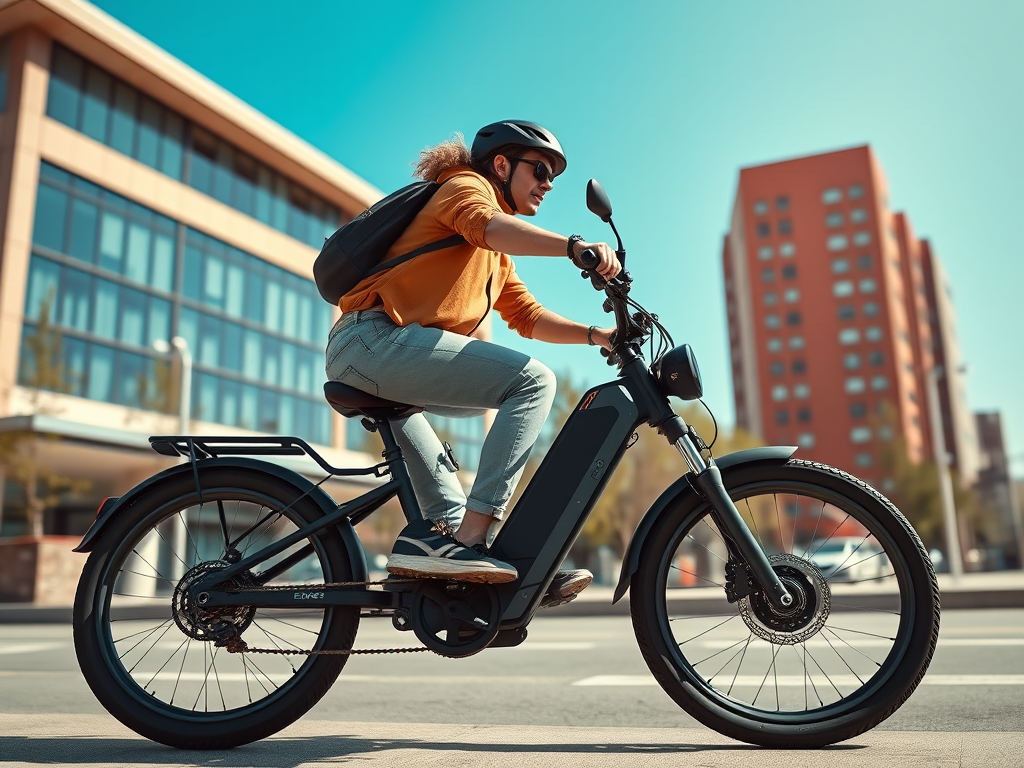
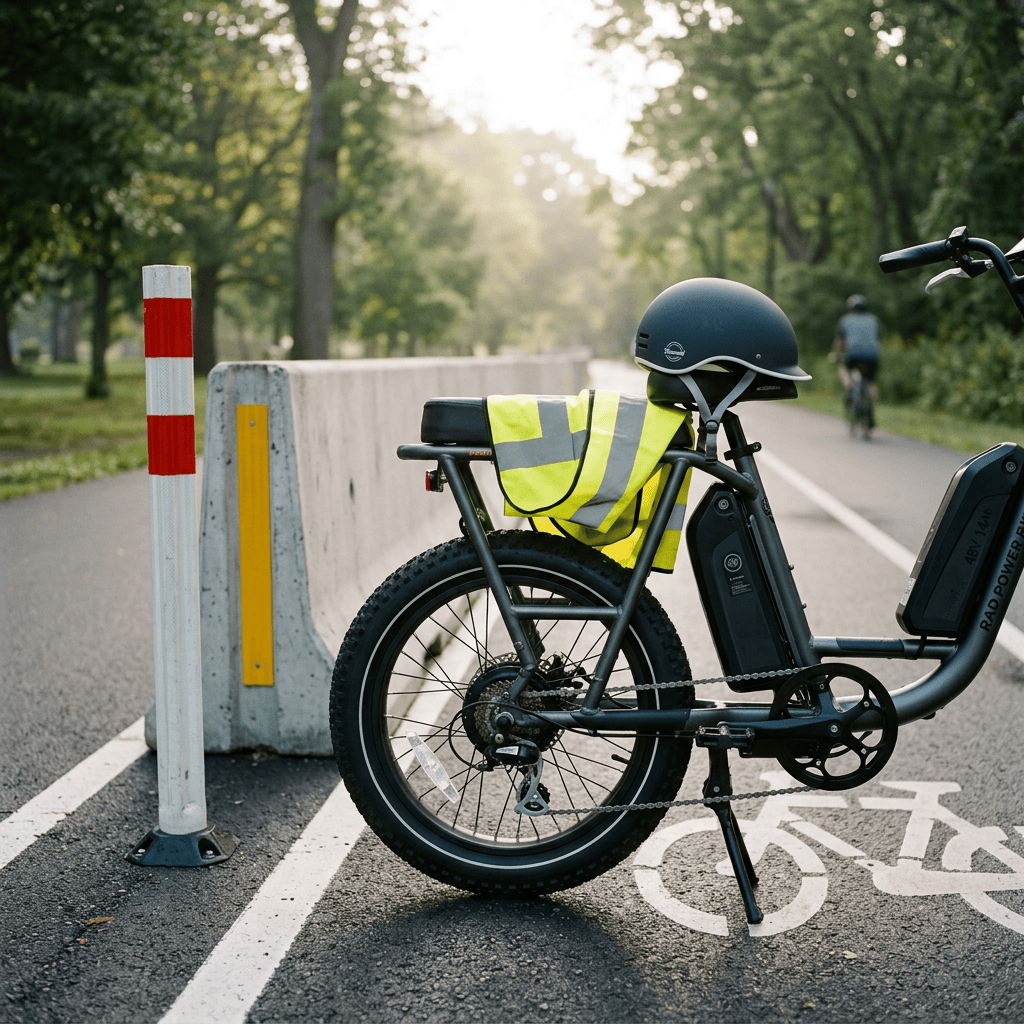
Governor Josh Green signed Act 259 (HB 2021) on July 15, 2026, giving Hawaii its first comprehensive statewide e-bike framework. The law requires helmets for all riders under 18, bars anyone under 15 from operating an e-bike, and prohibits riders under 16 from using Class 2 or Class 3 models without adult supervision.

The measure grew out of an alarming rise in head trauma. Hawaii Department of Health data reported that e-bike injuries more than doubled between 2022 and 2025, from 106 to 244. Honolulu EMS also found that 81 percent of the e-bike patients that were treated wore no head protection. Honolulu-based Kapi’olani Medical Center’s trauma team reported that e-bike crashes recently became the leading cause of injury among the children it treated.

Man riding a bicycle on the sandy beach during sunset

Green, previously an emergency physician, has been blunt about the stakes. “If they have a head trauma, they’re probably going to have long-standing disability from the traumatic head injury,” he said in a September 2025 interview.

The law also reclassifies machines exceeding 28 mph as e-motorcycles, subject to licensing, registration, and insurance. California imposes comparable rules, while New Jersey now goes further, requiring helmets for e-bike riders of every age.

See also: E-Bikes and Brain Injury: The Risks, the Recovery, and the Law

E-Bikes and Brain Injury: The Risks, the Recovery, and the Law

E-bikes continue to grow in popularity, allowing one to avoid automobile traffic. But because e-bikes can reach speeds of 20 to 28 mph or more, crashes carry serious consequences, including severe traumatic brain injuries. More so, studies have found that young e-bikers suffer traumatic brain injuries at nearly twice the rate of traditional cyclists (37.8% vs. 19.4%). Notably, only 44% of hospitalized e-bike riders were wearing helmets, and helmetless riders were almost twice as likely to sustain a head injury.

The case of Bella Prince, a Utah teenager who crashed her e-bike into a retaining wall at 40 mph and tumbled 25 feet down a cliff, brought special attention to the e-bike issue in the State. The teen survived because of emergency neurosurgery, but she was left with a severe traumatic brain injury. Horrific stories like Bella’s are driving legislative action. Utah’s HB 381, Electric Mobility Device Amendments, passed both the House and Senate with broad support on February 13, 2026. The bill requires helmets for e-bike riders under 21 and empowers police to impound e-bikes from unsafe riders. (As of March 16, 2026, HB 381 has not been signed into law by the governor.)

Currently, only Alabama, Connecticut, and Massachusetts require helmets for all e-bike riders of every age and class. California, Georgia, Louisiana, Ohio, Tennessee, and Virginia, mandate helmets for all Class 3 e-bike riders, with Class 3 defined as bikes that are pedal-assist up to 28 mph. California also enacted a package including AB 1778 in 2024, which created a Marin County pilot program requiring all Class 2 riders to wear helmets and banning riders under 16 from Class 2 e-bikes. In New York, pending bill S2526 would require helmets for all e-bike and bicycle riders in larger cities, though the same bill has failed in prior years. New Jersey S4834/A6235 abolished the three-class system entirely and reclassified all e-bikes as “motorized bicycles” requiring licensing, registration, insurance, and mandatory helmets beginning in January 2026. However, as of now, no federal e-bike helmet law exists.

Yet e-bikes can also be part of traumatic brain injury recovery. The pedal-assist feature allows TBI survivors with limited stamina, balance issues, or motor challenges to engage in outdoor physical activity, which research links to improved cognitive function and mental health during rehabilitation.

Ultimately, the message is clear: e-bikes offer real benefits, but only when ridden safely.