Hawaii’s New Strick E-Bike Law to Prevent Brain Injury

Dr. Josh Green in white coat with stethoscope in office and Hawaiian flag

Governor Josh Green signed Act 259 (HB 2021) on July 15, 2026, giving Hawaii its first comprehensive statewide e-bike framework. The law requires helmets for all riders under 18, bars anyone under 15 from operating an e-bike, and prohibits riders under 16 from using Class 2 or Class 3 models without adult supervision.

The measure grew out of an alarming rise in head trauma. Hawaii Department of Health data reported that e-bike injuries more than doubled between 2022 and 2025, from 106 to 244. Honolulu EMS also found that 81 percent of the e-bike patients that were treated wore no head protection. Honolulu-based Kapi’olani Medical Center’s trauma team reported that e-bike crashes recently became the leading cause of injury among the children it treated.

Man riding a bicycle on the sandy beach during sunset

Green, previously an emergency physician, has been blunt about the stakes. “If they have a head trauma, they’re probably going to have long-standing disability from the traumatic head injury,” he said in a September 2025 interview.

The law also reclassifies machines exceeding 28 mph as e-motorcycles, subject to licensing, registration, and insurance. California imposes comparable rules, while New Jersey now goes further, requiring helmets for e-bike riders of every age.

See also: E-Bikes and Brain Injury: The Risks, the Recovery, and the Law
Stroke Detection Mandate Comes to RAA

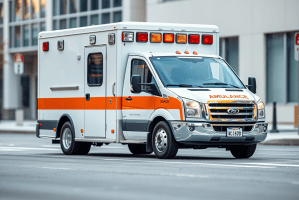
Richmond Ambulance Authority became Virginia’s first government-funded emergency medical service to train staff on advanced stroke detection, implementing the American Heart Association’s Essential Stroke Life Support program in December 2025. The initiative equips approximately 175 paramedics and EMTs with the BEFAST protocol – assessing balance, eyes, face, arms, speech, and symptom timing – allowing strokes to be identified faster.

During an untreated stroke, 1.9 million neurons die every minute, according to NIH-funded research. Patients receiving early treatment for this brain injury show remarkably improved outcomes, with some studies reporting 40% relative increases in independent ambulation.

With reports showing that approximately 205,000 annual EMS activations nationwide are related to suspected stroke, prehospital detection is critical. Stroke continuing education mandates, though, remain limited. States with requirements include Massachusetts, New Jersey, Virginia, California, Illinois, North Carolina, and Texas. New Jersey law N.J.S.A. 27:5F-27.1 mandates that “each emergency medical services [EMS] provider… shall incorporate training on the assessment and treatment of stroke patients”.

“Time is tissue,” explained RAA Training Coordinator Harold Mayfield. “[Most] brain tissue does not regenerate. The sooner we identify and treat, the better the outcome.”