Domino Effect: How a Concussion Can Buckle a Body

A mild traumatic brain injury doesn’t just rattle the head; it may set the stage for a torn ligament or a stress fracture. In June 2026, the JAMA Network published the findings of a study that found U.S. servicemembers who suffered a mTBI, such as a concussion. The researchers tracked 26,784 troops who enlisted between 2016 and 2020. Musculoskeletal injuries are the leading cause of lost duty days in the military, and it was found that those who had a mTBI were 2.24 times more likely to later suffer this secondary injury.
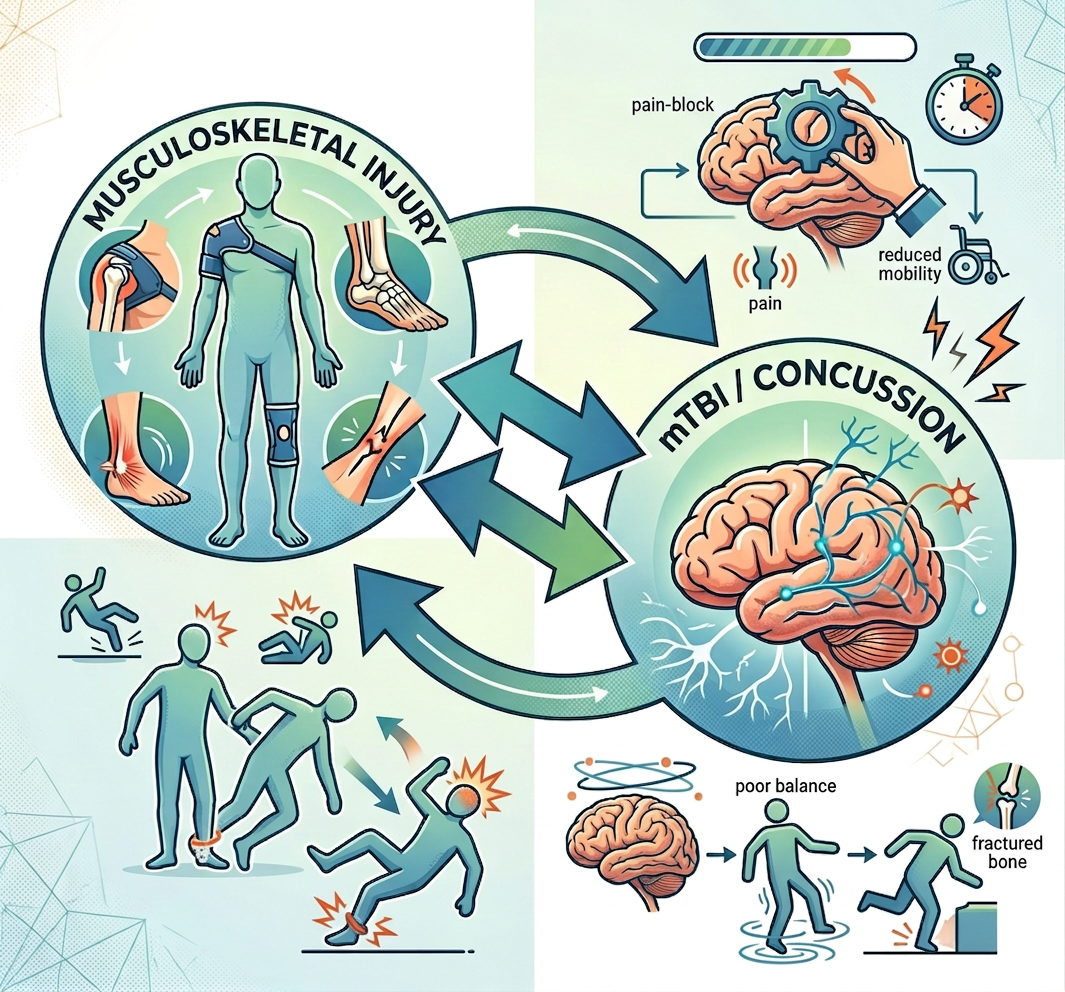
“There appears to be a bi-directional relationship between musculoskeletal injury and mild traumatic brain injury,” said Amy Silder, PhD, a biomedical engineer at the Naval Health Research Center. Referred to as post-concussion syndrome, PCS can include a disruption of balance, coordination, and reaction time long after the headaches fade. As is, it costs the military billions of dollars a year and leaves tens of thousands of troops unable to deploy.

The study’s authors urge clinicians to screen troops’ bodies after any brain injury. Screening concussion patients for lingering physical deficits, the researchers say, could keep more service members healthy and ready. (Though this recent study focused on the military, the clinical suggestions seem that they would be true for all those who have suffered a mTBI.)

House Introduces a BEACON of Hope for Veterans with Brain Injuries

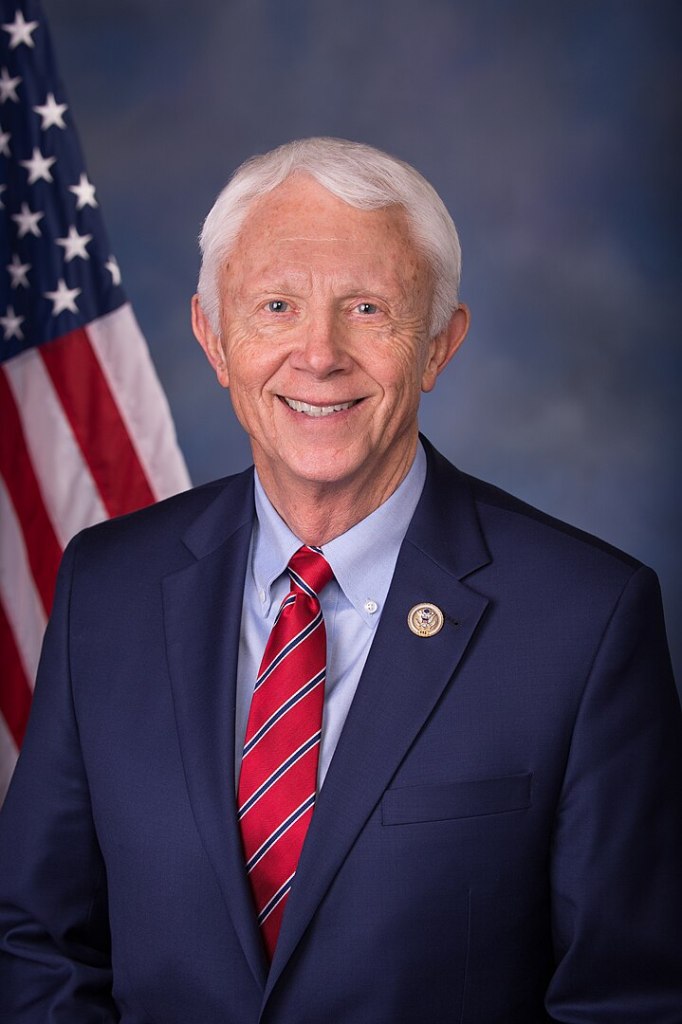
Representative Jack Bergman (MI), along with 5 original co-sponsors [Sarah Elfreth (MD), Kimberlyn King-Hinds (MP), Donald G. Davis (NC), Derrick Van Orden (WI), Morgan Luttrell (TX)] introduced the BEACON Act, H. R. 6993, in January 2026 to transform how the Department of Veterans Affairs treats traumatic brain injuries. The Veterans TBI Breakthrough Exploration of Adaptive Care Opportunities Nationwide Act establishes two grant programs totaling $60 million to fund innovative, non-pharmacological treatments for mild-to-moderate TBI.*

The sponsor of the bill and at least one of its co-sponsors bring personal stakes to this fight. Bergman, a retired Marine Lieutenant General with 40 years of service including Vietnam combat, witnessed how invisible injuries affect service members. Elfreth watched her grandfather – a Korean and Vietnam War veteran – suffer from PTSD, inspiring her earlier success passing Maryland’s David Perez Military Heroes Act.

Veterans often feel “unseen, unheard, and alone” navigating systems that treat symptoms rather than people. The BEACON Act addresses these gaps by funding research into evidence-based alternatives, training clinicians, and partnering academic institutions with VA facilities to bring innovative care directly to veterans.

*Per bill text, the TBI Innovation Grant Program will “award grants to eligible entities… for the development, implementation, and evaluation of approaches and methodologies for prospective randomized control trials for 11 neurorehabilitation treatments for the treatment of chronic mild TBI (mTBI) in veterans.” Additionally, the Act with provide grants for “independent third-party research studies and treatment with respect to supplemental neurorehabilitation treatments of mTBI.”