Widely Used Birth Control Comes With Brain-shaped Asterisk

Vial of Depo-Provera and syringe on medical tray

Per the CDC, roughly 1 in 4 sexually active American women have used the form of birth control Depo-Provera. Studies, though, found that the effects of this injectable go beyond contraception. The government paper trail also keeps growing, regarding the risks it may cause.  A JAMA Neurology study found a 2.43-fold higher risk for developing a brain tumor among users. Just this month, on July 2, 2026, another JAMA study flagged the injection as having the strongest risk of brain tumor development of any contraceptive. (This study also reported reassuring news: risk fades within roughly five years of stopping. Additionally, absolute risk stays low, as less than 5 in 10,000 women have this extremely negative effect.)

According to the Mayo Clinic, “Depo-Provera is a birth control shot that has the hormone progestin.” In actuality, it injects medroxyprogesterone acetate, a synthetic version of the natural hormone progesterone.  Long-term use of this injection can result in meningiomas, which are usually benign brain tumors. Meningiomas, though, can crowd the brain, triggering headaches, vision loss, and seizures. In December 2025, the U.S. Food and Drug Administration ordered a warning on the Depo-Provera label.

Meanwhile, Pfizer reached a June 2026 settlement covering over 5,500 federal lawsuits alleging it downplayed the danger. Though this number may seem large, the percent of Depo-Provera users it represents is small. So, users shouldn’t panic but should talk to their doctor about duration of use.

What the Reclassification of Marijuana Means for the Brain Injured

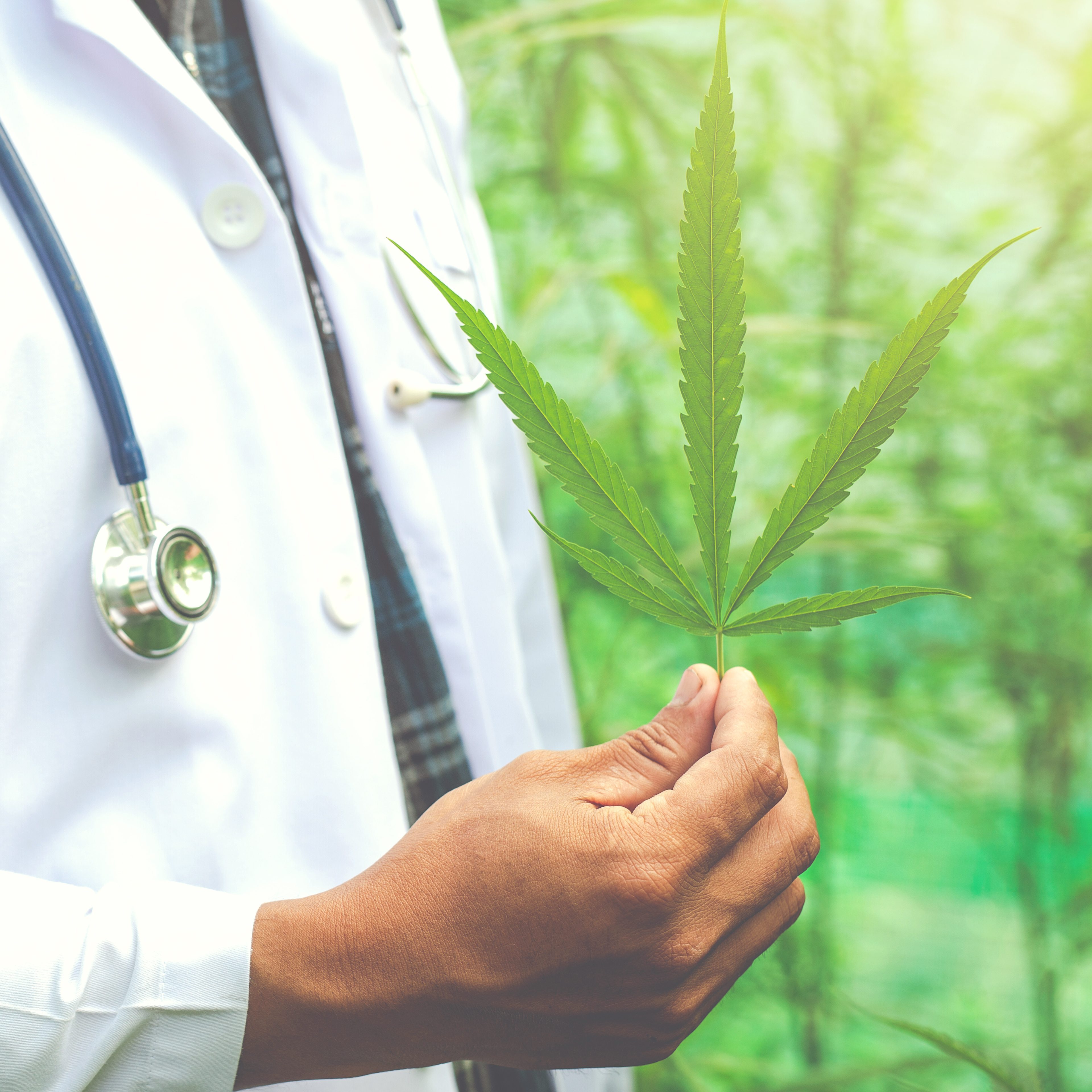
“Justice Department Places FDA-Approved Marijuana Products and Products Containing Marijuana Subject to a Qualifying State-issued License in Schedule III, Strengthening Medical Research While Maintaining Strict Federal Controls.” This headline, which appeared on the Department of Justice’s official website on April 23, 2026, refers to the Executive Order signed by President Trump.

Advocates and politicians have pushed for this change for years, arguing cannabis carries undeniable medical value. As of April 2026, medical marijuana use is legal in 40 states. Following many years of federal research that confirmed the potential benefits of marijuana use for medical conditions, this Executive Order reclassifies state-licensed medical marijuana from Schedule I, the most restrictive federal drug category, to the less regulated Schedule III. Acting Attorney General Todd Blanche stated the decision, “allows for research on the safety and efficacy of this substance, ultimately providing patients with better care and doctors with more reliable information.”

For brain injury survivors, the implications may be significant. One study, available on PubMed, found that patients with acquired brain injury have reported improvements in mood, anxiety, headache, sleep, and quality of life through medical cannabis use. Government-funded research also indicates that the non-psychoactive cannabis compound CBD, and THC, the primary psychoactive compound in cannabis that is responsible for the “high”, may be effective for pain management, anxiety, and insomnia, all of which are common symptoms following brain injury. (These benefits are debatable. Another major analysis found that medicinal cannabis does not effectively treat anxiety, depression, or PTSD, and may even worsen mental health in some cases.)

As always, caution is warranted. The CDC has proven that cannabis use affects brain development. Beyond brain development, a 2024 CDC report states, “cannabis use directly affects brain function — specifically the parts of the brain responsible for memory, learning, attention, decision-making, coordination, emotions, and reaction time.” Chronic marijuana consumption may reduce dopamine responsivity, increase negative emotionality, and induce anhedonia, meaning a reduced ability to experience pleasure or a loss of interest in previously enjoyed activities. These possible negative consequences are a significant concern for survivors, who already have cognitive issues and may struggle with low motivation.

While this rescheduling opens the door to better science, always consult a physician before using cannabis.