What the Reclassification of Marijuana Means for You

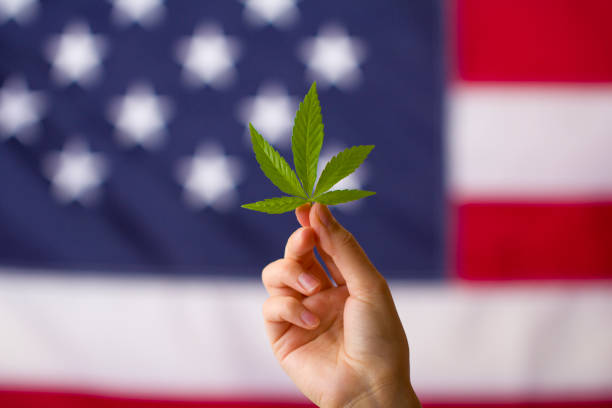
“Justice Department Places FDA-Approved Marijuana Products and Products Containing Marijuana Subject to a Qualifying State-issued License in Schedule III, Strengthening Medical Research While Maintaining Strict Federal Controls.” This headline, which appeared on the Department of Justice’s official website on April 23, 2026, refers to the Executive Order signed by President Trump.

Advocates and politicians have pushed for this change for years, arguing cannabis carries undeniable medical value. As of April 2026, medical marijuana use is legal in 40 states. Following many years of federal research that confirmed the potential benefits of marijuana use for medical conditions, this Executive Order reclassifies state-licensed medical marijuana from Schedule I, the most restrictive federal drug category, to the less regulated Schedule III. Acting Attorney General Todd Blanche stated the decision, “allows for research on the safety and efficacy of this substance, ultimately providing patients with better care and doctors with more reliable information.”

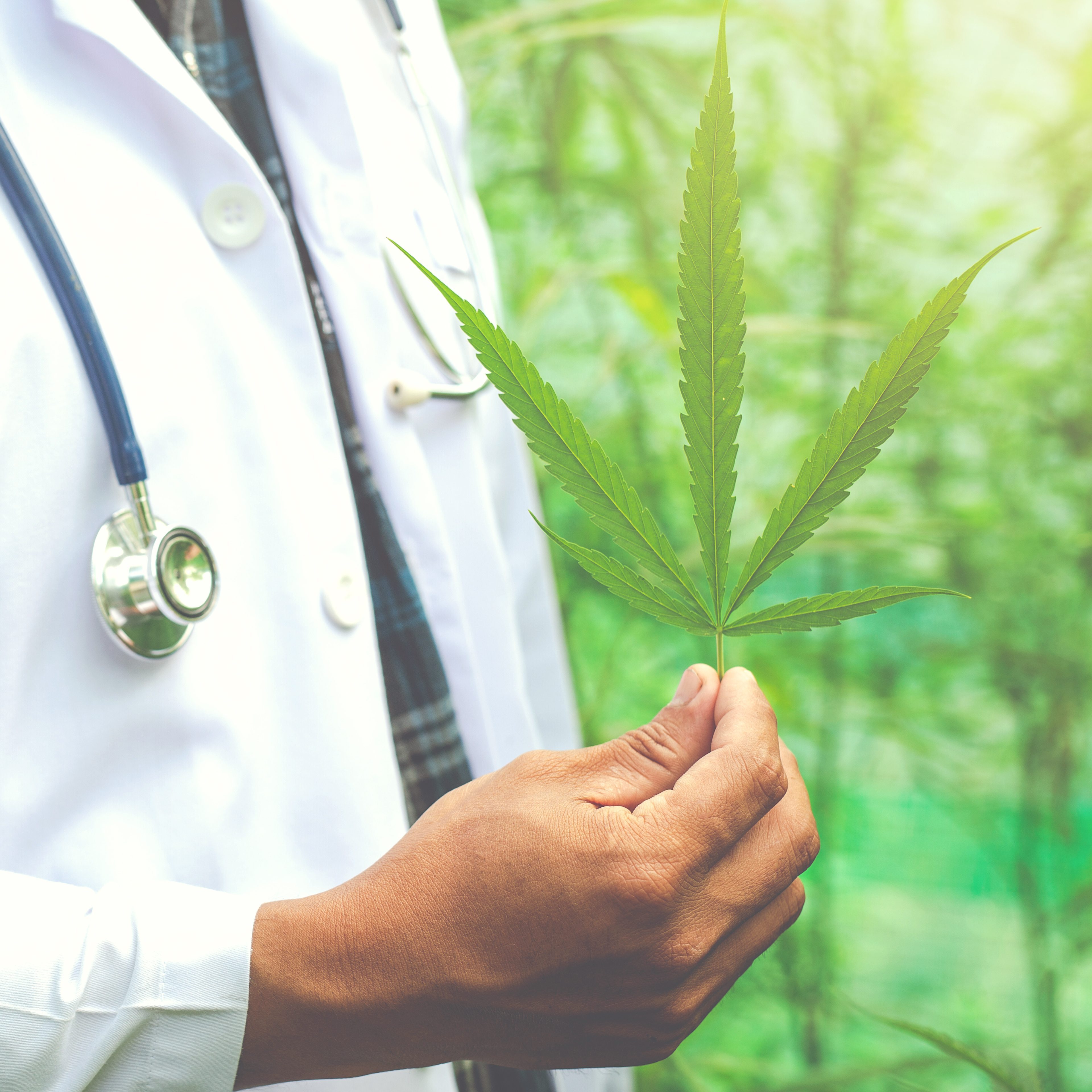
For brain injury survivors, the implications may be significant. One study, available on PubMed, found that patients with acquired brain injury have reported improvement in mood, anxiety, headache, sleep, and quality of life through medical cannabis use. Government-funded research also indicates that the non-psychoactive cannabis compound CBD, and THC, the primary psychoactive compound in cannabis that is responsible for the “high”, may be effective for pain management, anxiety, and insomnia, all of which are common symptoms following brain injury. (These benefits are debatable. Another major analysis found that medicinal cannabis does not effectively treat anxiety, depression, or PTSD, and may even worsen mental health in some cases.)

As always, caution is warranted. The CDC has proven that cannabis use affects brain development. Beyond brain development, a 2024 CDC report states, “cannabis use directly affects brain function — specifically the parts of the brain responsible for memory, learning, attention, decision-making, coordination, emotions, and reaction time.” Chronic marijuana consumption may reduce dopamine responsivity, increase negative emotionality, and induce anhedonia, meaning a reduced ability to experience pleasure or a loss of interest in previously enjoyed activities. These possible negative consequences are a significant concern for survivors, who already have cognitive issues and may struggle with low motivation.

While this rescheduling opens the door to better science, always consult a physician before using cannabis.

Cherry-Picking Superfoods to Aid TBI Recovery

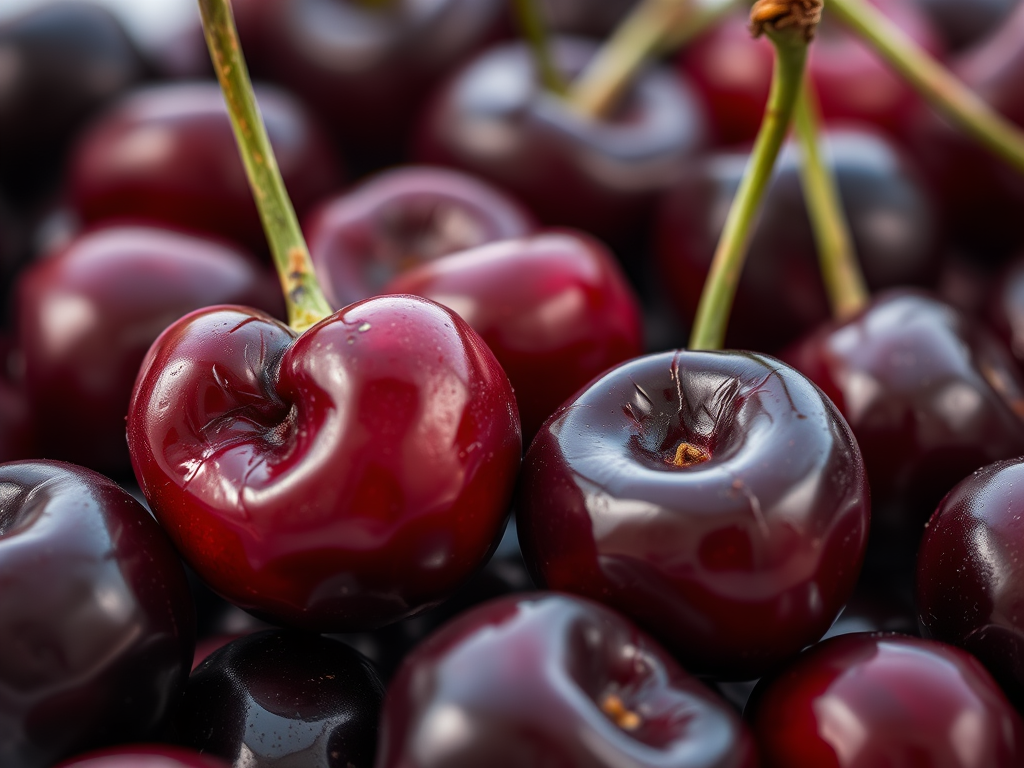
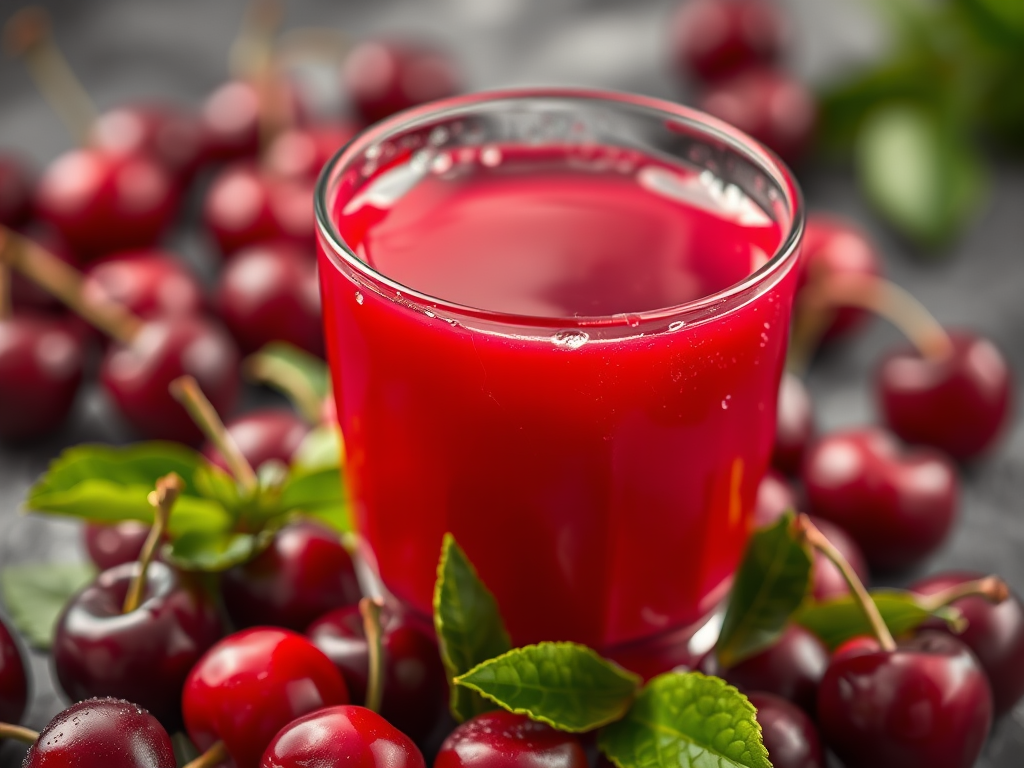
A small red fruit that appears in various forms throughout the year is more than simply a tasty treat. Cherries pack natural pigment, known as anthocyanins, melatonin, and quercetin that cross the blood-brain barrier, reduce neuroinflammation, and protect injured neurons. It has long been known that anthocyanins cut brain injury volume by up to 27%, with anti-inflammatory potency similar to that of ibuprofen. Three more recent human randomized controlled trials also confirmed measurable improvements in memory, attention, and mental fatigue after daily tart cherry juice consumption.

These neurological improvements, highly beneficial to those with brain injuries, include a 23% reduction in memory errors in one 12-week. The NIH’s National Academies Press identified polyphenols found abundantly in cherries as interacting with neuronal survival pathways after traumatic brain injury (TBI). A 2025 review in Nutritional Neuroscience concluded that these compounds lessen neuroinflammation and oxidative stress following brain injury. An earlier comprehensive USDA-supported review of 29 human cherry studies also found cherry consumption decreased oxidative stress markers in 8 of 10 studies and reduced inflammation in 11 of 16 studies.

However, studies show that not all cherries deliver equal benefits. Montmorency tart cherries provide the highest benefits, though dark sweet varieties also carry high anthocyanin levels. Cherries also do not need to be eaten raw to be advantageous. Liquefied tart cherry juice concentrate has proven to be the most clinically validated form, though cherries that have been cooked retain significant amounts of active compounds. When frozen, cherries still provide these benefits, as they preserve 90–95% of polyphenols.

*Beyond delicious cherry pie, recipe research shows me that cherries are a feature in numerous recipes that are well-suited for every time of the day. For breakfast, for example, try cherry overnight oats (rolled oats, frozen cherries, ground flaxseed, and almond butter) which requires zero morning prep and provides steady brain energy. A cherry-chocolate brain smoothie is a good snack (tart cherries blended with cocoa powder, spinach, chia seeds, and almond milk) that delivers anthocyanins and omega-3s in one glass. For TBI-related sleep disruption, tart cherry turmeric bedtime tea (cherry juice simmered with ginger, turmeric, and chamomile) supports both natural melatonin production and neuroinflammation recovery simultaneously.