What the Reclassification of Marijuana Means for You

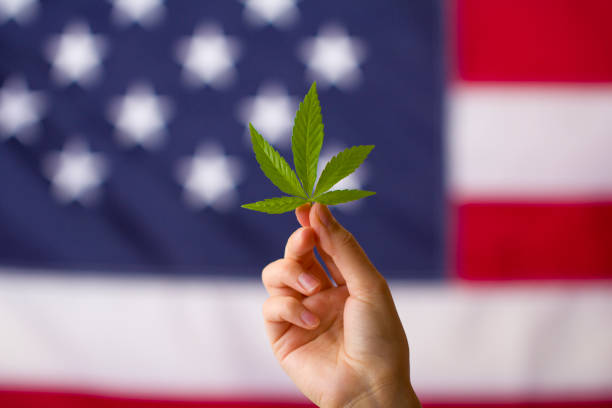
“Justice Department Places FDA-Approved Marijuana Products and Products Containing Marijuana Subject to a Qualifying State-issued License in Schedule III, Strengthening Medical Research While Maintaining Strict Federal Controls.” This headline, which appeared on the Department of Justice’s official website on April 23, 2026, refers to the Executive Order signed by President Trump.

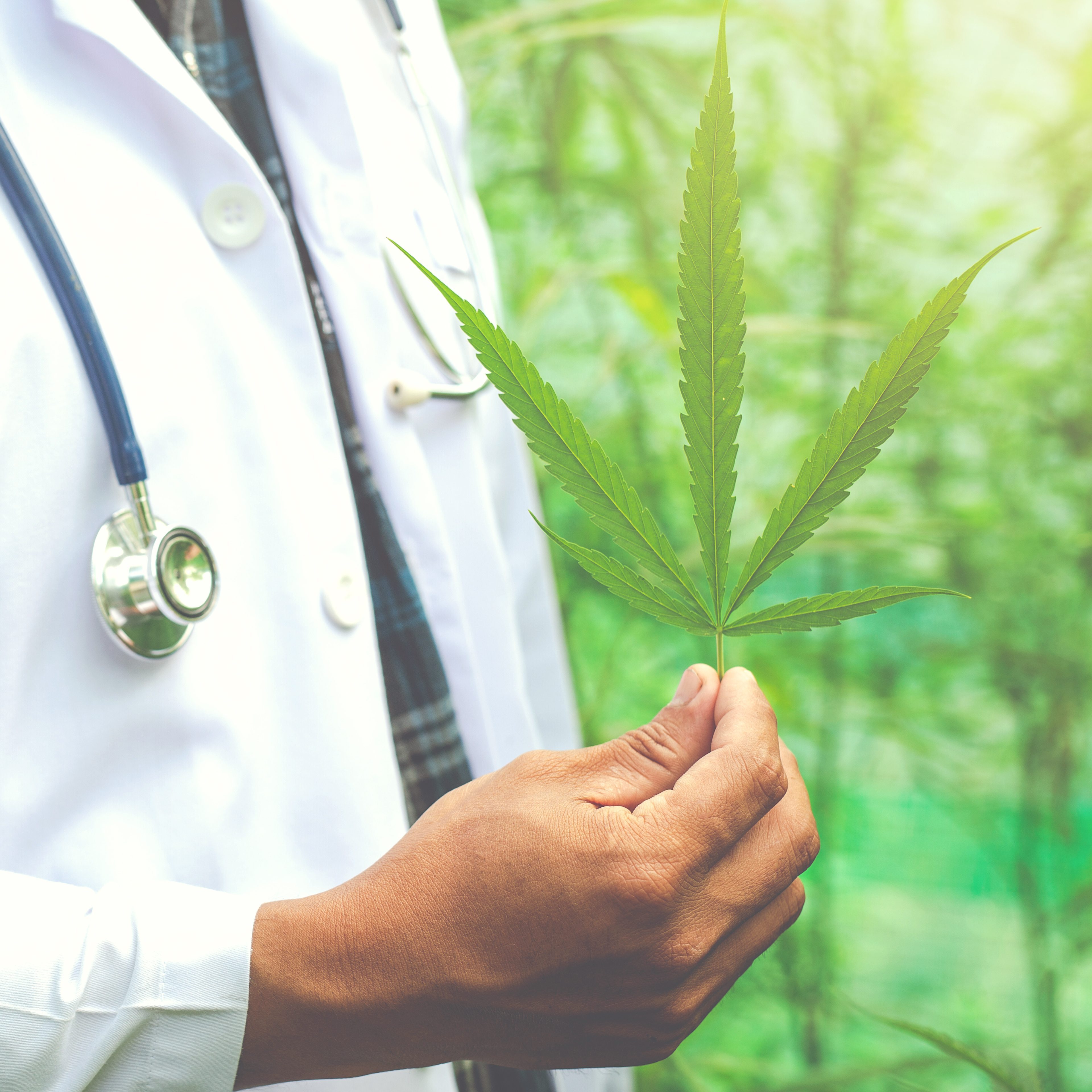
Advocates and politicians have pushed for this change for years, arguing cannabis carries undeniable medical value. As of April 2026, medical marijuana use is legal in 40 states. Following many years of federal research that confirmed the potential benefits of marijuana use for medical conditions, this Executive Order reclassifies state-licensed medical marijuana from Schedule I, the most restrictive federal drug category, to the less regulated Schedule III. Acting Attorney General Todd Blanche stated the decision, “allows for research on the safety and efficacy of this substance, ultimately providing patients with better care and doctors with more reliable information.”

For brain injury survivors, the implications may be significant. One study, available on PubMed, found that patients with acquired brain injury have reported improvement in mood, anxiety, headache, sleep, and quality of life through medical cannabis use. Government-funded research also indicates that the non-psychoactive cannabis compound CBD, and THC, the primary psychoactive compound in cannabis that is responsible for the “high”, may be effective for pain management, anxiety, and insomnia, all of which are common symptoms following brain injury. (These benefits are debatable. Another major analysis found that medicinal cannabis does not effectively treat anxiety, depression, or PTSD, and may even worsen mental health in some cases.)

As always, caution is warranted. The CDC has proven that cannabis use affects brain development. Beyond brain development, a 2024 CDC report states, “cannabis use directly affects brain function — specifically the parts of the brain responsible for memory, learning, attention, decision-making, coordination, emotions, and reaction time.” Chronic marijuana consumption may reduce dopamine responsivity, increase negative emotionality, and induce anhedonia, meaning a reduced ability to experience pleasure or a loss of interest in previously enjoyed activities. These possible negative consequences are a significant concern for survivors, who already have cognitive issues and may struggle with low motivation.

While this rescheduling opens the door to better science, always consult a physician before using cannabis.

Federal Government Joins States in Psychedelic Exploration

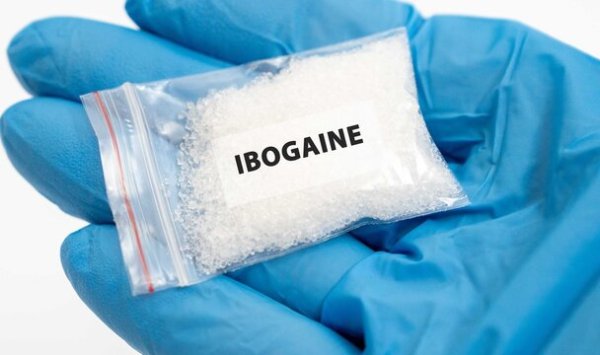
This morning, April 18, 2026, the federal government joined many states by committing to exploration of a brain injury treatment – “President Trump on Saturday signed an executive order to expedite research into the psychedelic ibogaine – a drug championed by podcaster Joe Rogan – so it can be used to treat PTSD in veterans and traumatic brain injuries,” reported the New York Post.

Heavily championed by the Secretary of Health and Human Services Robert F. Kennedy, ibogaine has recently been gaining a reputation for its treatment possibilities. Last month, March 1, 2026, the New York Times reported on one man’s treatment story. Due to federal limitations, he had to visit Mexico to be treated with  ibogaine. (In the United States, clinical studies began at Stanford University in 2022. Results have strongly suggested that ibogaine is effective in treating traumatic brain injury.)

Stalking Awareness Month Spotlights Hidden Brain Connections

The Federal Office for Victims of Crime, part of the Department of Justice, states, “Stalking is a crime of power and control.” January marks the 22nd annual National Stalking Awareness Month; the 2026 theme “Know It, Name It, Stop It” urges Americans to recognize and respond to this dangerous crime that affects over 40 million people nationwide.

This Sunday, January 18 commemorates National Stalking Awareness Day of Action. In New York, landmarks across the state will be illuminated in yellow, symbolizing caution like a yield sign, to honor victims and survivors. North Dakota and other states have also issued official proclamations and specific actions to recognize the day and the month.

Stalking’s link to traumatic brain injury is a troubling bidirectional relationship. Research shows 60% of stalking offenders have experienced a TBI, which impairs impulse control and increases aggression. Conversely, 75% of women in abusive relationships sustain at least one brain injury from violence like strangulation.

CDC data reveals 22.5% of women and 9.7% of men experience stalking during their lifetimes. In 2025, President Biden proclaimed, “My father used to say that one of the greatest sins a person could commit is the abuse of power – and that is fundamentally what stalking is.” President Trump has declared, “Stalking any individual, especially our young people will not be tolerated. My Administration remains committed to ending the crime of stalking.”

For resources and state-specific legislation, visit StalkingAwareness.org.