Another Study Links TBI & PTSD to Cognitive Decline – But Not Through Brain Plaques

A study published May 30, 2026, in the Journal of Alzheimer’s Disease is reshaping how researchers understand cognitive decline in combat veterans. Using data from the Department of Defense’s Alzheimer’s Disease Neuroimaging Initiative, USC researchers examined how TBI and PTSD affect brain imaging markers and cognition in a U.S. veteran population.
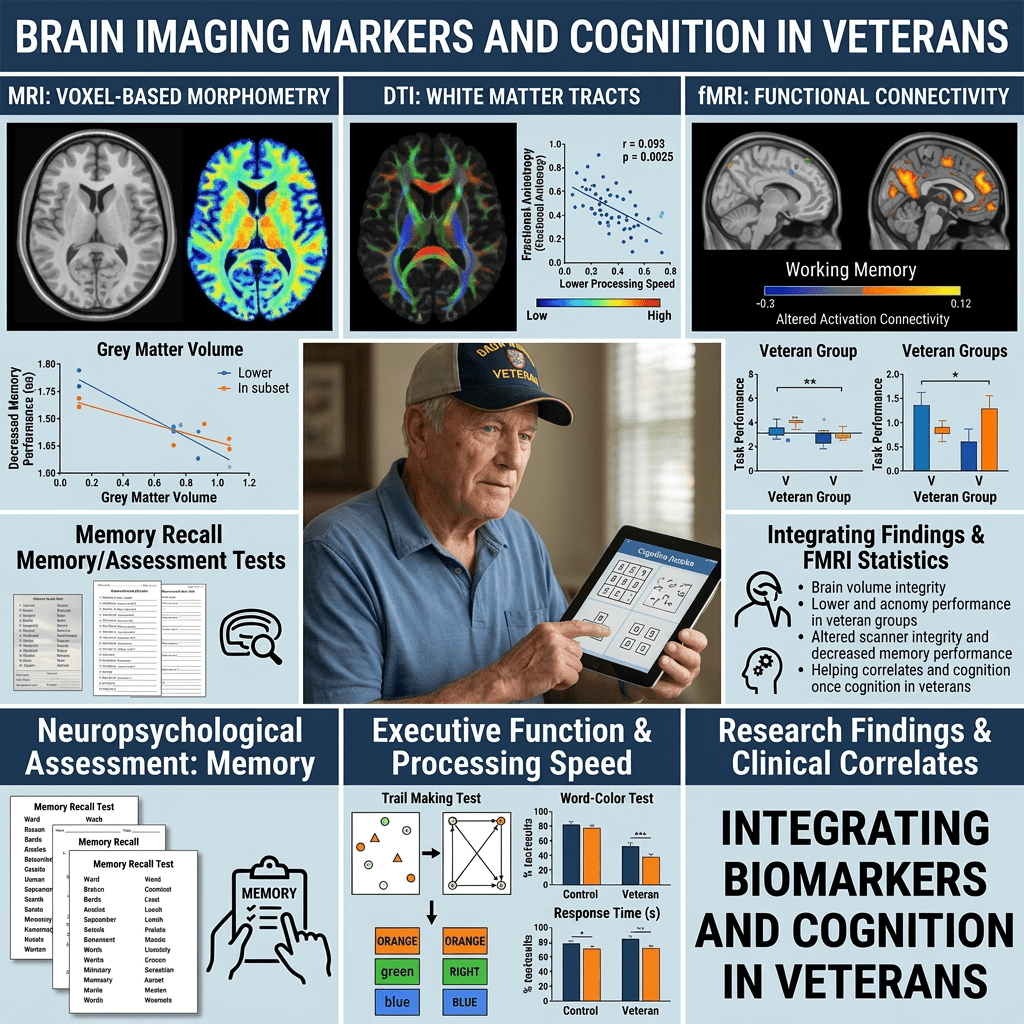
Brain imaging results and cognitive test data assessing memory and executive function in veterans

The study found that greater PTSD symptom severity was linked to poorer performance across all three cognitive tests used, and higher TBI severity correlated with lower scores on the Mini-Mental State Examination. What is striking about these findings is that they did not show that TBI severity nor PTSD symptoms were associated with neuroimaging biomarkers of neurodegeneration or vascular damage.

This discovery suggests that cognitive impairment in veterans may not stem directly from the accumulation of Alzheimer’s pathologies or vascular injuries. This matters enormously for treatment. It suggests veterans’ cognitive struggles may require targeted interventions beyond standard dementia pathways – a finding directly relevant to legislative reauthorizing of funding for federal TBI surveillance and research programs.

Bacterium in Your Lungs May Be Attacking Your Brain

Chlamydia pneumoniae is a common respiratory bacterium responsible for millions of cases of pneumonia and sinus infections each year. Most people recover without incident, but a growing body of research suggests the bacterium doesn’t always leave. In a February 2026 study, published in Nature Communications, researchers at Cedars-Sinai found that Chlamydia pneumoniae can linger in the eye and brain for years, potentially aggravating Alzheimer’s disease. Scientists found that greater amounts of the bacterium were associated with more severe brain damage and worse cognitive decline, with elevated bacterial levels especially common in individuals carrying the APOE4 gene variant.

The mechanism is alarming. The bacterium can infect the olfactory and trigeminal nerves and reach the brain within 72 hours, while also dysregulating key pathways involved in Alzheimer’s disease pathogenesis.

The federal government has taken notice. The Senate Appropriations Committee’s FY 2026 spending bill proposed an increase of $100 million for Alzheimer’s disease and related dementias research at NIH National Institute on Aging. Researchers hope this increased funding hope will accelerate investigation into infection-driven neurodegeneration. What once seemed like an ordinary respiratory bug may prove to be one of the brain’s most dangerous long-term adversaries.