GLP-1 Drugs Surprising Neuroprotective Qualities

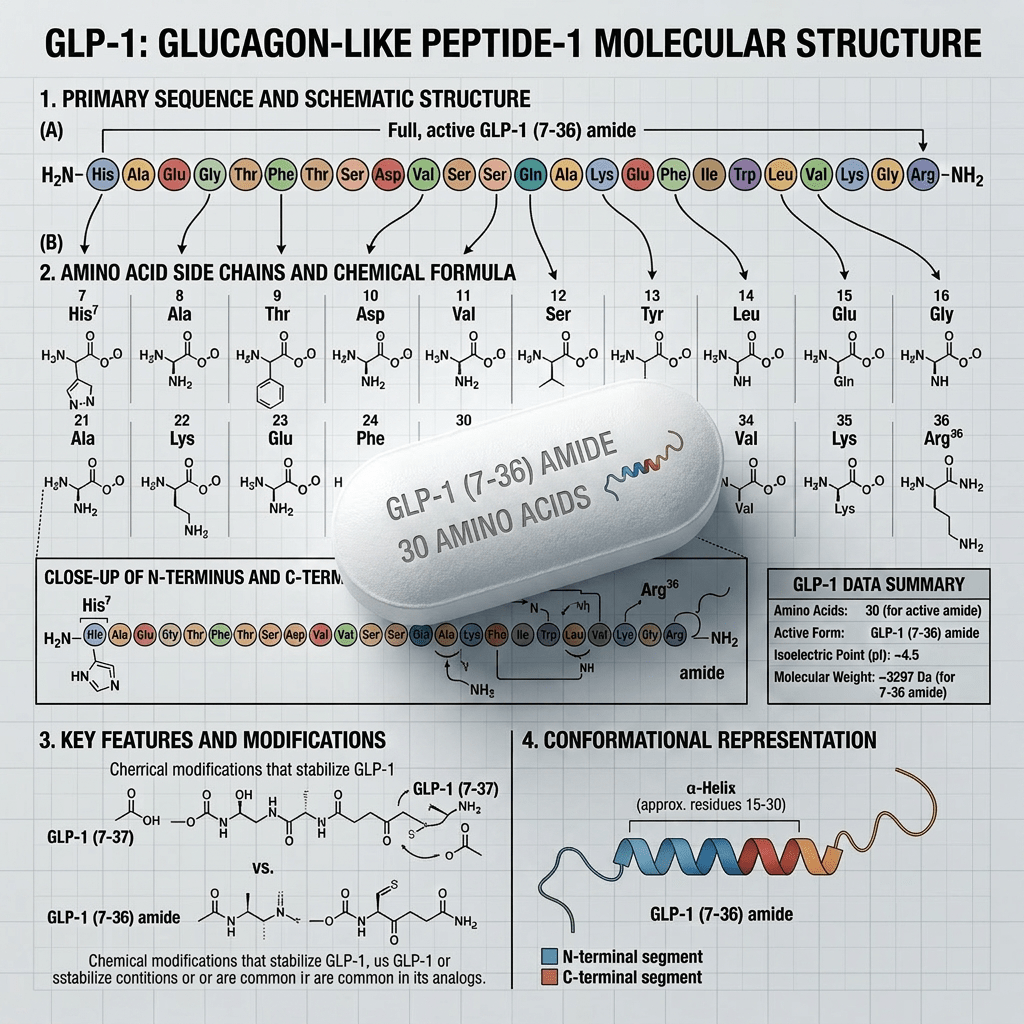
Diagram of GLP-1 (7-36) amide peptide showing amino acid sequence, side chains, chemical formulas, and α-helix structure

The weight-loss drug semaglutide, sold under the names Ozempic and Wegovy, may do far more than shrink waistlines. Research suggests it could also shield the brain after traumatic injury.

A 2026 study published in Neural Regeneration Research by scientists at Beijing Tiantan Hospital, and available in the PubMed database, found that semaglutide reduced brain swelling, preserved the blood-brain barrier, and blocked dangerous inflammatory cascades in mice with traumatic brain injuries. “Our findings reveal the dual anti-inflammatory and neuroprotective roles of semaglutide, providing important preclinical evidence for its clinical application in the acute phase of traumatic brain injury,” the researchers wrote.

The possibilities are enormous. Last year, a University of Wisconsin–Madison retrospective study of more than two million stroke patients found that those taking semaglutide had a mortality rate of just 5.26%, compared with 21.61% for non-users.

While human clinical trials for TBI are still needed, scientists say GLP-1 drugs represent the most promising new avenue for brain injury treatment in decades.
Federal Funding Advances “Holy Grail” of TBI Diagnosis

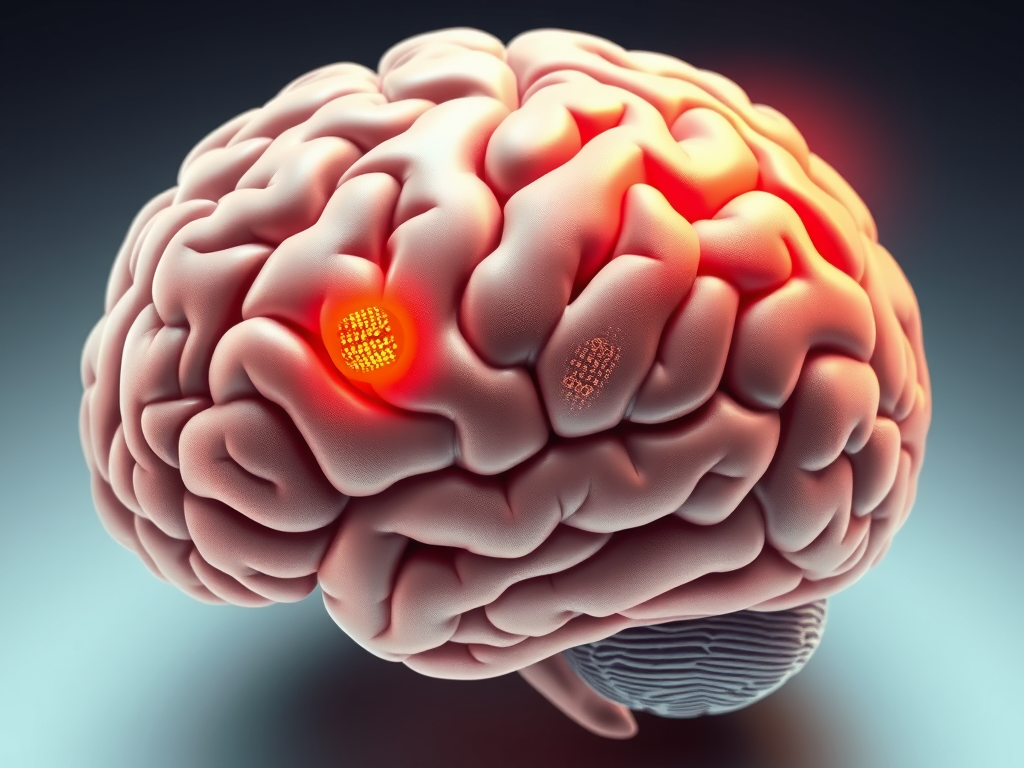
A Boston company developing a non-invasive way to detect dangerous brain swelling after traumatic brain injury has received $5.5 million in federal funding from the NIH Blueprint MedTech Program and Department of War’s Joint Warfighter Medical Research Program.

This new non-invasive technology, CranioSense, uses a forehead patch and clip-on sensors to detect elevated pressure without surgery and could transform TBI emergency care. Currently, measuring intracranial pressure – which if elevated can cause brain damage, coma, or death – requires drilling into the skull. This limits testing of brain swelling to only the most critical patients, meaning only approximately 2% of TBI patients ever have their brain pressure measured.

A retired U.S. Army Special Operations Command consultant called the new technology “a ‘Holy Grail’ of prolonged casualty care” that addresses “one of the biggest gaps in monitoring critical casualties.”

The December 2025 grants will support device development and validation ahead of FDA approval. If cleared, the system could make brain pressure assessment “as routine as blood pressure measurement” in emergency rooms, on battlefields, and at accident scenes – catching dangerous swelling early when intervention can save lives.