The Post-TBI Weight Gain No Diet Could Stop Until Now

For some survivors, uncontrollable gain weight can be a consequence of a brain injury. The condition, known as acquired hypothalamic obesity, strikes when there is damage to the hypothalamus, the brain region that regulates hunger and energy balance. Once that control center is disrupted, patients are left with relentless hunger and rapid weight gain that resists diet and exercise alone. (Most often, the condition follows treatment for brain tumors, but traumatic brain injuries and strokes can trigger it too.)

Pharmacist pointing at a medication bottle while a woman and a young man listen

Those with this condition previously have nowhere to turn for real help, but that changed on March 19, 2026: the U.S. Food and Drug Administration approved setmelanotide, sold as Imcivree, as the first therapy specifically designated for this rare disease. The drug works by restoring hormone signaling along the MC4R pathway, which is the same circuit the injury disrupts.

The approval followed the largest placebo-controlled study ever conducted for this condition, published in the New England Journal of Medicine on July 8, 2026. Patients on the drug saw a 16.5 percent average drop in BMI, compared with a 3.3 percent increase among those on the placebo. Trial co-author Dr. Reema Habiby confirms, “These results offer real hope to children and families who have had very few options.”
GLP-1 Drugs Surprising Neuroprotective Qualities

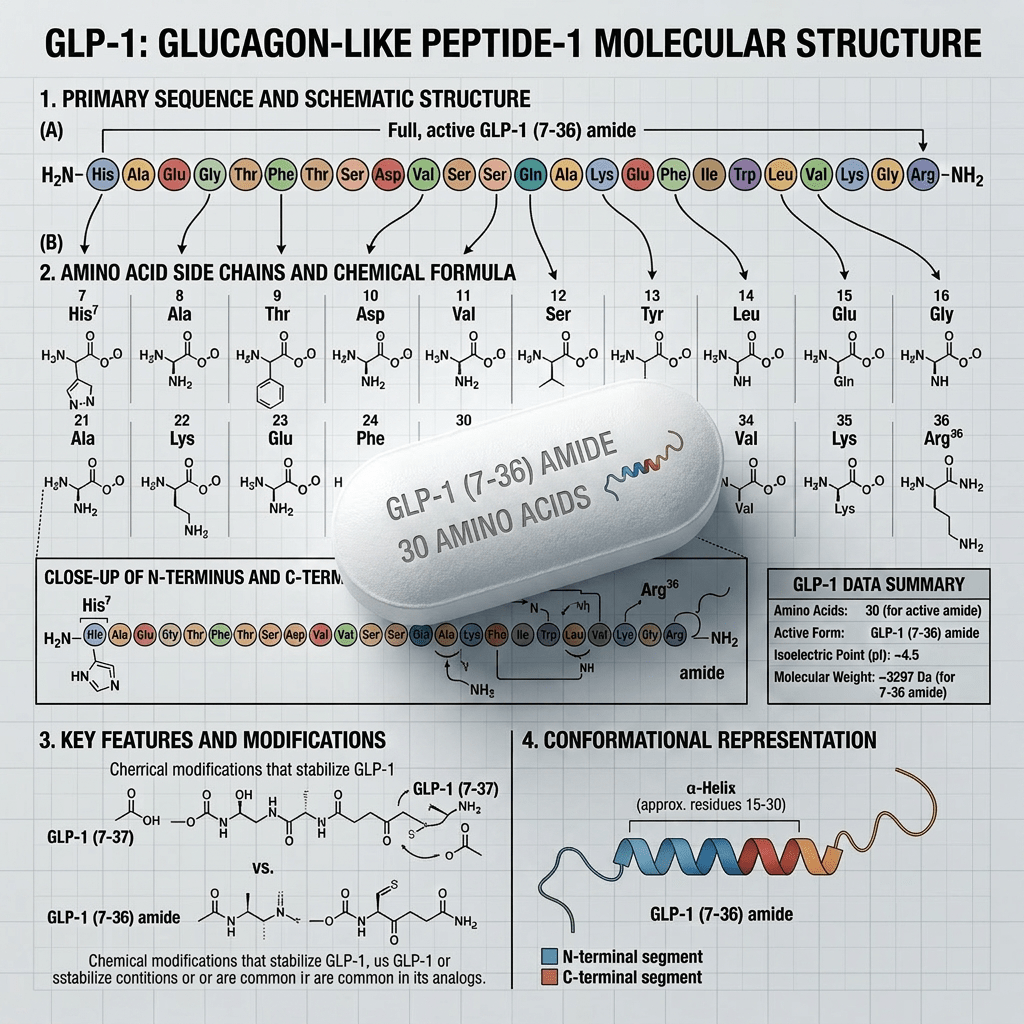
Diagram of GLP-1 (7-36) amide peptide showing amino acid sequence, side chains, chemical formulas, and α-helix structure

The weight-loss drug semaglutide, sold under the names Ozempic and Wegovy, may do far more than shrink waistlines. Research suggests it could also shield the brain after traumatic injury.

A 2026 study published in Neural Regeneration Research by scientists at Beijing Tiantan Hospital, and available in the PubMed database, found that semaglutide reduced brain swelling, preserved the blood-brain barrier, and blocked dangerous inflammatory cascades in mice with traumatic brain injuries. “Our findings reveal the dual anti-inflammatory and neuroprotective roles of semaglutide, providing important preclinical evidence for its clinical application in the acute phase of traumatic brain injury,” the researchers wrote.

The possibilities are enormous. Last year, a University of Wisconsin–Madison retrospective study of more than two million stroke patients found that those taking semaglutide had a mortality rate of just 5.26%, compared with 21.61% for non-users.

While human clinical trials for TBI are still needed, scientists say GLP-1 drugs represent the most promising new avenue for brain injury treatment in decades.