“Storm” That Some Endure After TBI

Translucent flames rising from a forest stream among moss and leaves

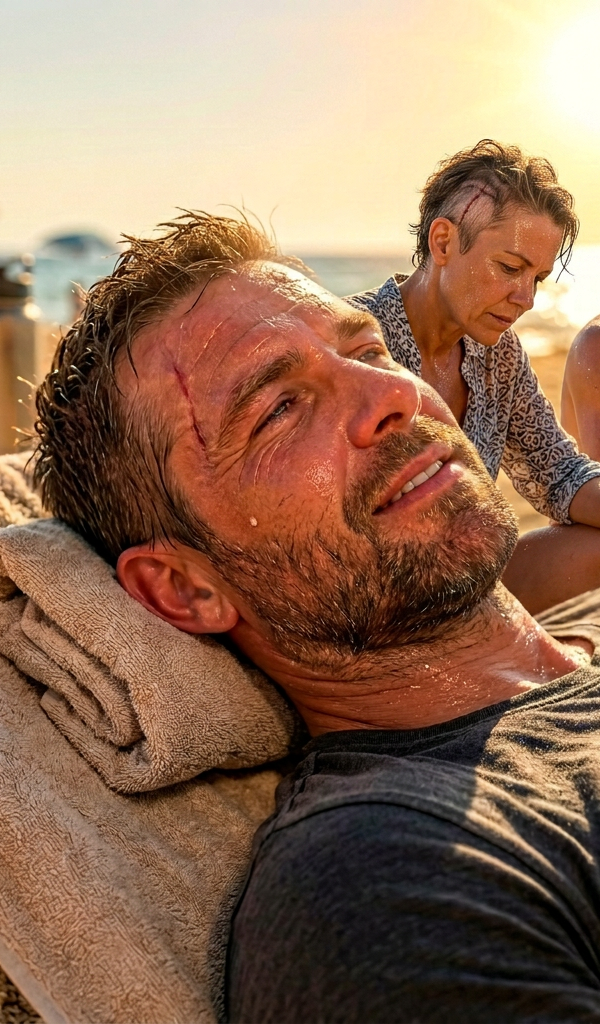
Excessive sweating is one of the most visible aftereffects of a severe traumatic brain injury. The problem, unfortunately, is far from rare. For decades, studies indexed by the National Library of Medicine have been examining this condition, with estimates showing that this condition strikes roughly 8 to 33 percent of severe TBI patients. In acute stroke, one study found that sweating primarily occurs on the paralyzed side of the body in 55 percent of patients.*

Clinically recognized as paroxysmal sympathetic hyperactivity (PSH), the condition causes sudden, severe surges in the body’s fight-or-flight nervous system. Damage to the hypothalamus, the body’s thermostat, deepens the disruption. The “storm” occurs when the injured brain disconnects the brain’s inhibitory centers from its excitatory ones. Patients then erupt in surges of racing heart, spiking blood pressure, fever and drenching sweat.

Treatment leans heavily on medication. A 2026 trial at Zagazig University, a public university in Egypt, that is published in BMC Anesthesiology and found in the NLM-database, concluded that “prophylactic propranolol significantly reduces PSH incidence.” Physicians also prescribe medications that are typically used to treat different ailments: clonidine, gabapentin, morphine, baclofen, and botulinum toxin injections.

* Can the reverse happen? Yes. The same hypothalamic damage can leave survivors feeling persistently cold, or even dangerously hypothermic.

The Post-TBI Weight Gain No Diet Could Stop Until Now

For some survivors, uncontrollable gain weight can be a consequence of a brain injury. The condition, known as acquired hypothalamic obesity, strikes when there is damage to the hypothalamus, the brain region that regulates hunger and energy balance. Once that control center is disrupted, patients are left with relentless hunger and rapid weight gain that resists diet and exercise alone. (Most often, the condition follows treatment for brain tumors, but traumatic brain injuries and strokes can trigger it too.)

Pharmacist pointing at a medication bottle while a woman and a young man listen

Those with this condition previously have nowhere to turn for real help, but that changed on March 19, 2026: the U.S. Food and Drug Administration approved setmelanotide, sold as Imcivree, as the first therapy specifically designated for this rare disease. The drug works by restoring hormone signaling along the MC4R pathway, which is the same circuit the injury disrupts.

The approval followed the largest placebo-controlled study ever conducted for this condition, published in the New England Journal of Medicine on July 8, 2026. Patients on the drug saw a 16.5 percent average drop in BMI, compared with a 3.3 percent increase among those on the placebo. Trial co-author Dr. Reema Habiby confirms, “These results offer real hope to children and families who have had very few options.”