
“Storm” That Some Endure After TBI

Translucent flames rising from a forest stream among moss and leaves

Excessive sweating is one of the most visible aftereffects of a severe traumatic brain injury. The problem, unfortunately, is far from rare. For decades, studies indexed by the National Library of Medicine have been examining this condition, with estimates showing that this condition strikes roughly 8 to 33 percent of severe TBI patients. In acute stroke, one study found that sweating primarily occurs on the paralyzed side of the body in 55 percent of patients.*

Clinically recognized as paroxysmal sympathetic hyperactivity (PSH), the condition causes sudden, severe surges in the body’s fight-or-flight nervous system. Damage to the hypothalamus, the body’s thermostat, deepens the disruption. The “storm” occurs when the injured brain disconnects the brain’s inhibitory centers from its excitatory ones. Patients then erupt in surges of racing heart, spiking blood pressure, fever and drenching sweat.

Treatment leans heavily on medication. A 2026 trial at Zagazig University, a public university in Egypt, that is published in BMC Anesthesiology and found in the NLM-database, concluded that “prophylactic propranolol significantly reduces PSH incidence.” Physicians also prescribe medications that are typically used to treat different ailments: clonidine, gabapentin, morphine, baclofen, and botulinum toxin injections.

* Can the reverse happen? Yes. The same hypothalamic damage can leave survivors feeling persistently cold, or even dangerously hypothermic.

Heat, the Brain, and the Law

Red Ford pickup truck driving on a desert road under bright sun with mountains ahead

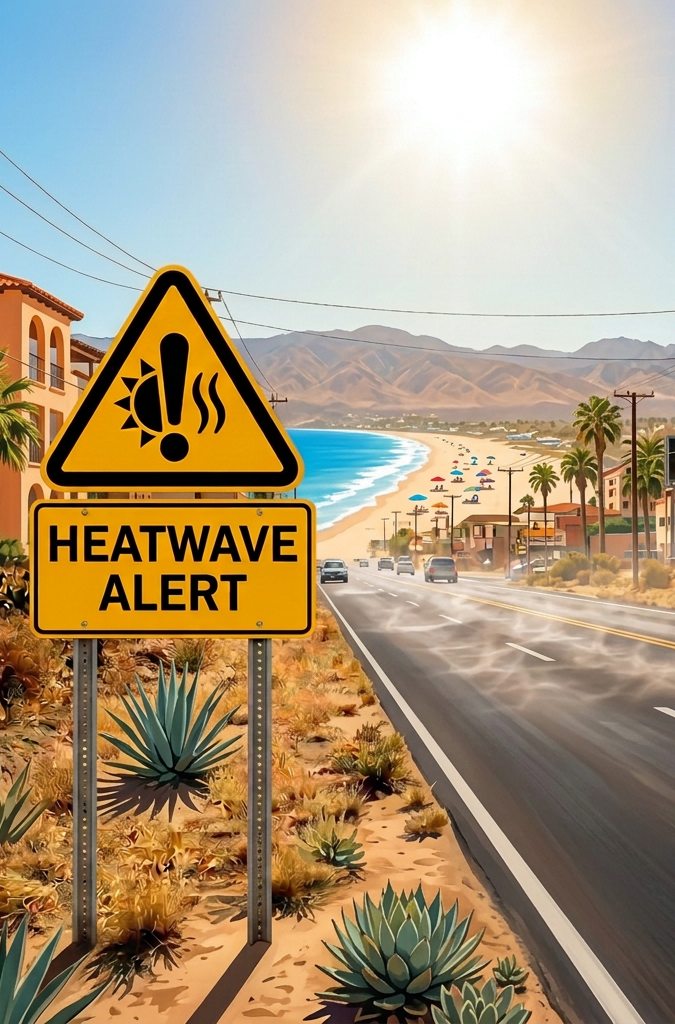
Extreme heat is a direct threat to the brain. When the body cannot shed heat fast enough, core temperature climbs and heat stroke can follow. This medical emergency leads to overheated blood damaged neurons and can result in cognitive impairment. People already living with a brain injury are especially vulnerable, as damaged temperature-regulating systems make it harder to cool down and easier to slip into confusion, seizures, or worsening symptoms.

Prevention, though, is straightforward and quite simple: hydrate constantly, rest in shade or air conditioning, avoid exertion during the hottest time of the day, and wear light clothing. Most importantly, treat dizziness, nausea, or confusion as warning signs and call 911 immediately when there is sudden confusion or a collapse.

Government response has been uneven. The Occupational Safety and Health Administration’s original Heat National Emphasis Program expired in April 2026 and was replaced by a revised, expanded federal program running through April 2031. H.R. 6213 and S. 4427 would prevent the Department of Labor from putting a national heat safety rule into action.

Profile of a human head with a detailed brain illustration and legal symbols including a gavel, scales, and law book.

On July 21, 2026, the House Education and Workforce Committee advanced the Heat Workforce Standards Act in an 18-15 party-line vote to block OSHA from finalizing such a rule. Opposing it, Rep. Alma Adams (NC) challenged colleagues to “stack boxes on Independence Avenue for a few hours without water and without shade.” In support of the bill, Rep. Tim Walberg (MI) argued that it isn’t fair to impose a “one-size-fits-all” federal mandate across very different industries, climates, and workplace environments. Though all states have extreme temperature concerns, as can be attested in the Northeast right now, it is notable that the opposition comes from not only party lines, but also from regions of the country that often have heat waves.