
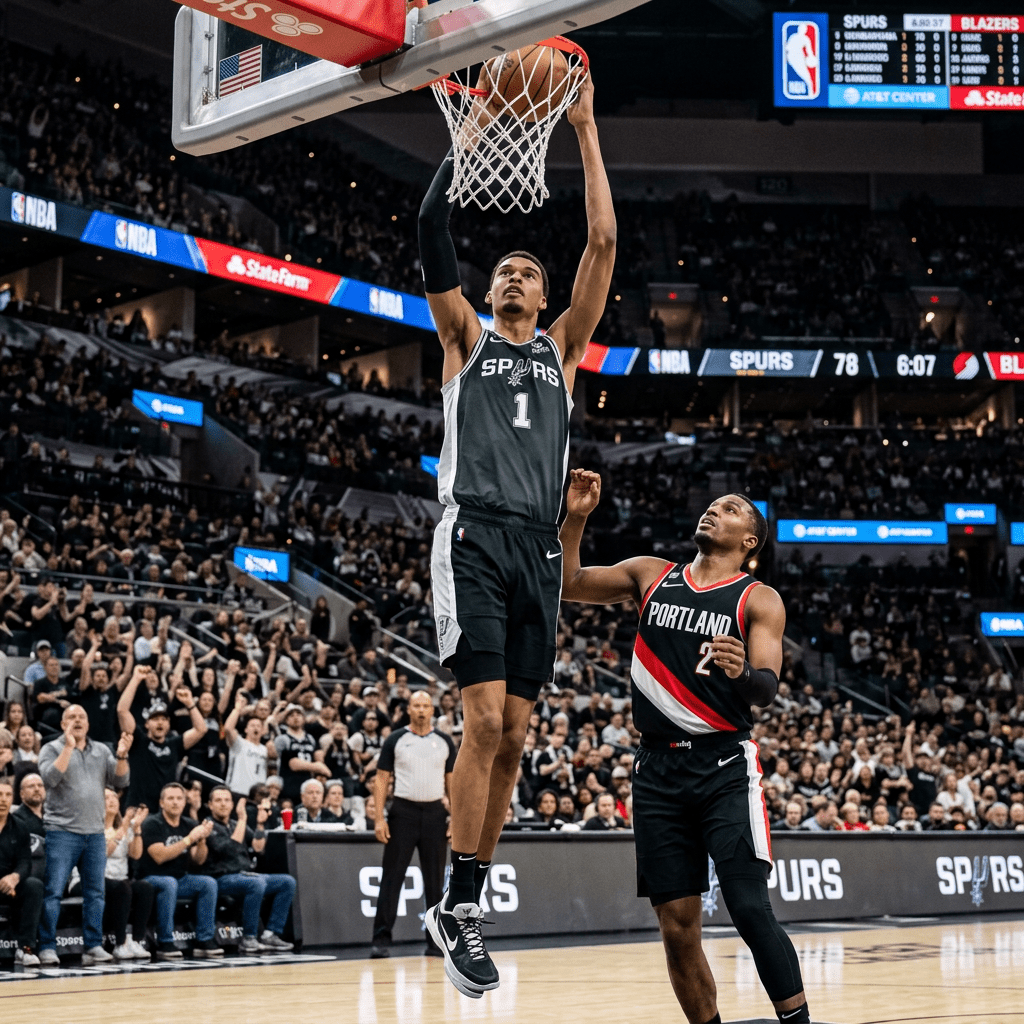
San Antonio Spurs star Victor Wembanyama tumbled face-first on the court in the second quarter of Game 2, on Tuesday, April 21, at the NBA Playoffs against Portland. The accident was both a serious blow to the player and the team, as Wembanyama averages 25.0 points, 11.5 rebounds, and 3.1 blocks per game. Fortunately, he returned for Game 4 of the game series, which San Antonio ultimately won. However, it is a sobering reminder both that nobody is concussion-proof and of the immense importance of NBA’s Concussion Protocol.
Through the years, incidents like Wembanyama’s head trauma have become more common and with greater consequences, as today’s NBA players are stronger and more athletic than those from the past. Due to this situation, the NBA finally had the wherewithal to institute a Concussion Protocol in the 2011–12 season. Before it, reportedly just 5.7 concussions were recorded per season in the League. Afterward, that number nearly tripled, not because the game suddenly got much more dangerous, but because of more “accurate reporting secondary to advances in player education, medical knowledge, national media coverage, and standardized testing protocols,” states a 2019 study, Concussions in the National Basketball Association: An Analysis from 1999-2018, available on PubMed.gov.
“A player diagnosed with a concussion should be regularly monitored for 24 hours … the player may not begin the return-to-participation exertion process until 24 hours after the time of injury,” read the original Protocol. In 2026, the Protocol is more rigorous: a player cannot return to full participation for at least 48 hours and must successfully complete cognitive tests before clearance.
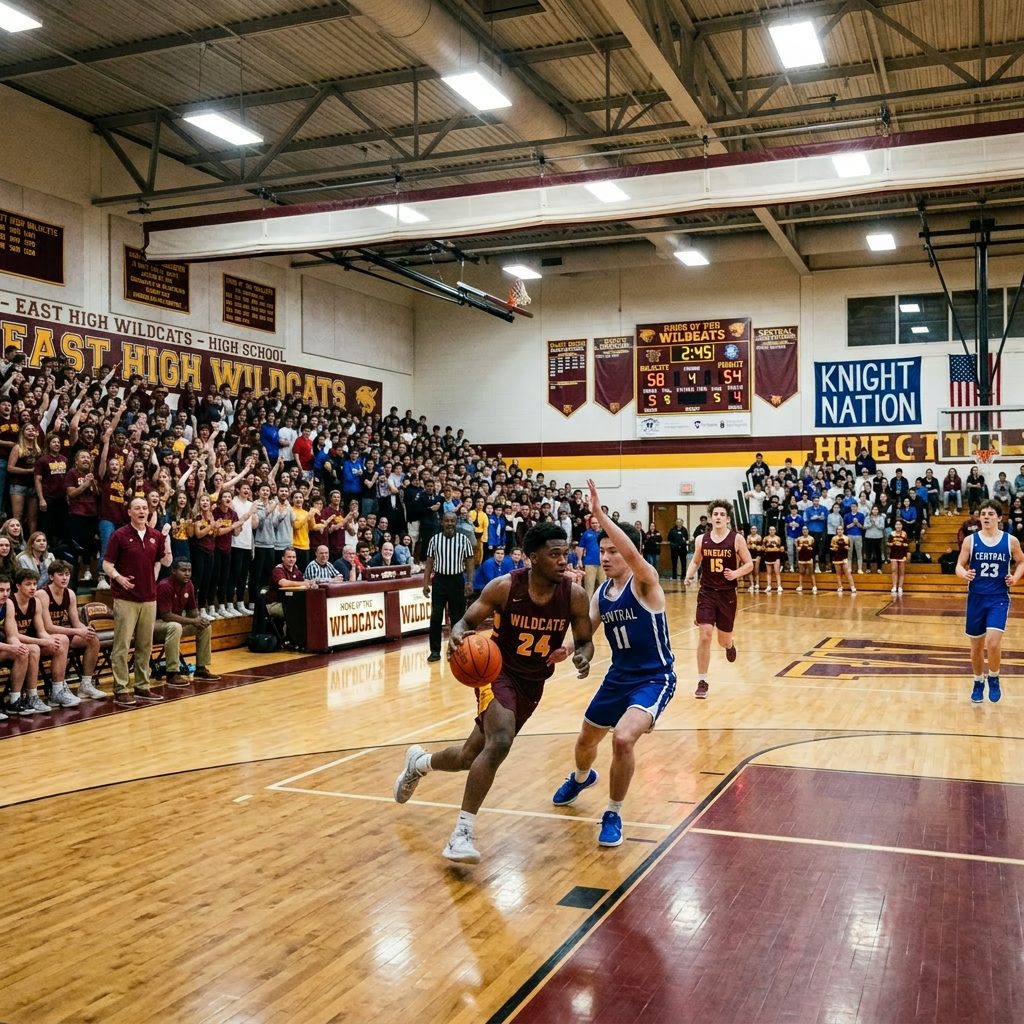
Beyond the pros, college players are at risk, as are basketball players still in high school and younger. In the 2023 – 2024 season, approximately 250,000 students sustained concussions across nine high school sports, according to the National Federation of State High School Associations. Accordingly, Senator Dick Durbin (IL) introduced Protecting Student Athletes from Concussions Act on September 18, 2025. At that time, S.2889 was read twice and referred to the Committee on Health, Education, Labor, and Pensions. On February 17, 2026, Protecting Student Athletes from Concussions Act was introduced to the House by Representative Mark DeSaulnier (CA). H.R.7590 was then referred to the House Committee on Education and Workforce. No action has been taken on either bill since their introductions. (While no federal sports concussion law yet exists, all 50 states have adopted youth sports concussion laws.)
Although injuries do happen, most notably in the NBA, ultimately a player is responsible for their own safety. In August 2024, the government published a systematic review, Sure Steps: Key Strategies for Protecting Basketball Players from Injuries, available on PubMed. Five of the six strategies highlight neuromuscular training, which includes strength work, stabilization or core, mobility, and agility.

