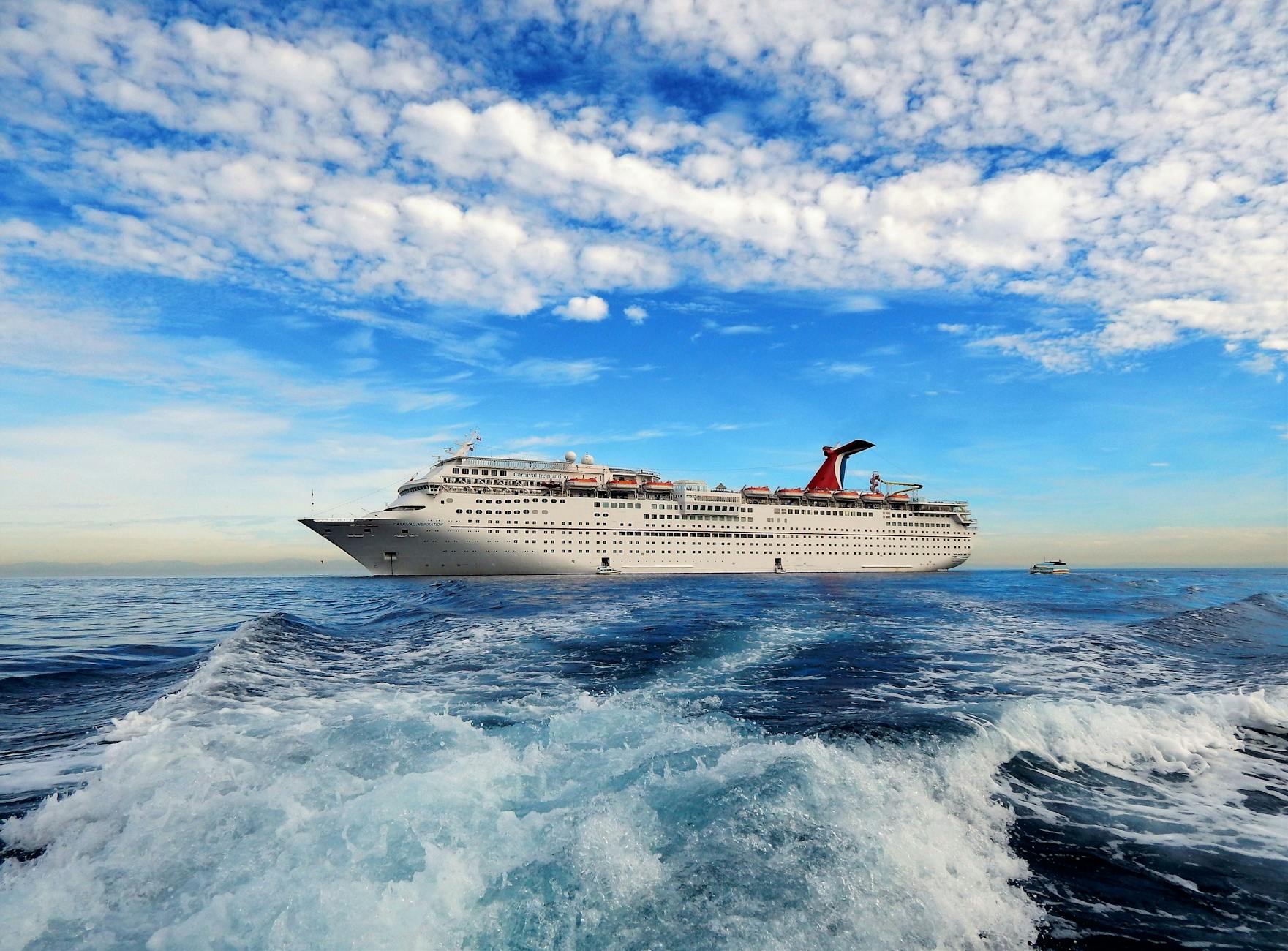
A cruise though the South Atlantic sounds like a dream vacation, but for eighteen Americans, the trip ended as a nightmare. After MV Hondius returned to the United States on May 11, two passengers were placed in biocontainment units because they had developed Andes virus, a strain of the hantavirus. The World Health Organization confirmed this, with eight cases and three deaths reported as of May 8.
In relation to the neurological effects of the virus, hantavirus pulmonary syndrome invades the brain indirectly. Drawing on cases traceable to the 1993 American Southwest outbreak and documented in NLM PubMed literature as far back as 1998, the Journal of the International Neuropsychological Society found that hantavirus pulmonary syndrome survivors exhibited cognitive impairments immediately after acute hospitalization and again at a one-year follow-up, with memory deficits resembling those seen in patients who have suffered brain anoxia, starving the brain of oxygen in a way that mirrors traumatic anoxic injury. Some research also suggests the virus may damage the blood-brain barrier, producing CNS symptoms including headache, insomnia, and vertigo, though this remains incompletely understood. Lasting effects include fatigue, memory loss, and attentional deficits.

Treatment mirrors the approach taken with other forms of acquired brain injury: supportive intensive care, cognitive rehabilitation, and neuropsychological monitoring. A 2024 multicenter cohort study of Andes virus survivors in Chile found that 61.9% reported incomplete recovery at three to six months post-onset, with clustering of both physical and neuropsychological symptoms across patient groups regardless of whether they required extracorporeal membrane oxygenation.
Responding to the 2026 cruise ship outbreak, Admiral Brian Christine, the Department of Health and Human Services’ assistant secretary for health, told reporters, “Let me be crystal clear: the risk of hantavirus to the general public remains very, very low. The Andes variant of this virus does not spread easily.” While the virus can be spread from person-to-person, Andes virus spreads primarily through contact with the urine, saliva, or droppings of infected rodents. Unfortunately, there is currently no approved vaccine for hantavirus pulmonary syndrome in the United States.