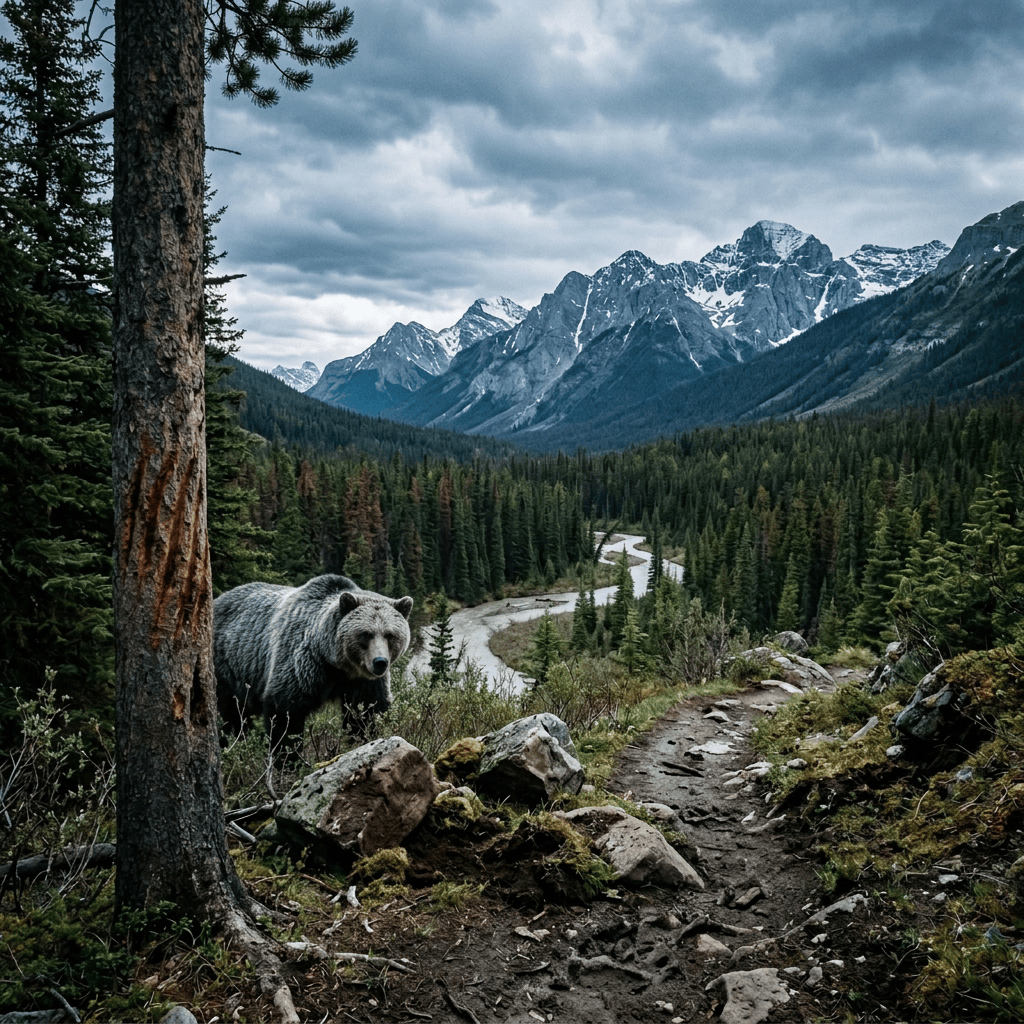
On Sept. 14, a 20-year-old bowhunter near Augusta, Montana, surprised a grizzly near a cow carcass. Badly hurt, the injured man still drove himself home. In May, a mother grizzly with cubs mauled two brothers at Yellowstone. The older brother needed facial reconstruction and care for a head wound.
Unfortunately, head injuries are a relatively common consequence of a bear attack, as bears typically strike the head, face or neck first. These strikes can then result in skull fractures and traumatic brain injury. In one study of 417 bear-attack victims, 55% had head injuries. While bear attacks are rare, roughly 11 brown-bear attacks a year occur in North America. These attacks are clustered, with Alaska, Montana, Wyoming and British Columbia known to be grizzly bear backcountry.
Western governors want control of grizzly management to return to the states. “The endangered species list is not a dean’s list,” Wyoming Gov. Mark Gordon said in July. “It’s time that [the grizzly] bear graduates.” Peak season for bear attacks is from July through September, as bears eat up to 20,000 calories a day to fatten up before hibernation. According to 2024 information found in the NLM database, “upper‐body injury results from bears often attacking from a standing position, targeting the head and neck,” so be wary of a standing bear.
Year round, caution is recommended for those who traverse bear-friendly terrain: carry bear spray, travel in groups and make noise. The U.S. National Park Service and other wildlife authorities advise that if a grizzly attacks, lie face-down with your hands clasped over your neck. Fight back against black bears.