
When Bears Attack

Rocky forest trail leading toward snow-capped mountains and winding river

On Sept. 14, a 20-year-old bowhunter near Augusta, Montana, surprised a grizzly near a cow carcass. Badly hurt, the injured man still drove himself home. In May, a mother grizzly with cubs mauled two brothers at Yellowstone. The older brother needed facial reconstruction and care for a head wound.

Unfortunately, head injuries are a relatively common consequence of a bear attack, as bears typically strike the head, face or neck first. These strikes can then result in skull fractures and traumatic brain injury. In one study of 417 bear-attack victims, 55% had head injuries. While bear attacks are rare, roughly 11 brown-bear attacks a year occur in North America. These attacks are clustered, with Alaska, Montana, Wyoming and British Columbia known to be grizzly bear backcountry.

Western governors want control of grizzly management to return to the states. “The endangered species list is not a dean’s list,” Wyoming Gov. Mark Gordon said in July. “It’s time that [the grizzly] bear graduates.” Peak season for bear attacks is from July through September, as bears eat up to 20,000 calories a day to fatten up before hibernation.  According to 2024 information found in the NLM database, “upper‐body injury results from bears often attacking from a standing position, targeting the head and neck,” so be wary of a standing bear.

Year round, caution is recommended for those who traverse bear-friendly terrain: carry bear spray, travel in groups and make noise. The U.S. National Park Service and other wildlife authorities advise that if a grizzly attacks, lie face-down with your hands clasped over your neck. Fight back against black bears.
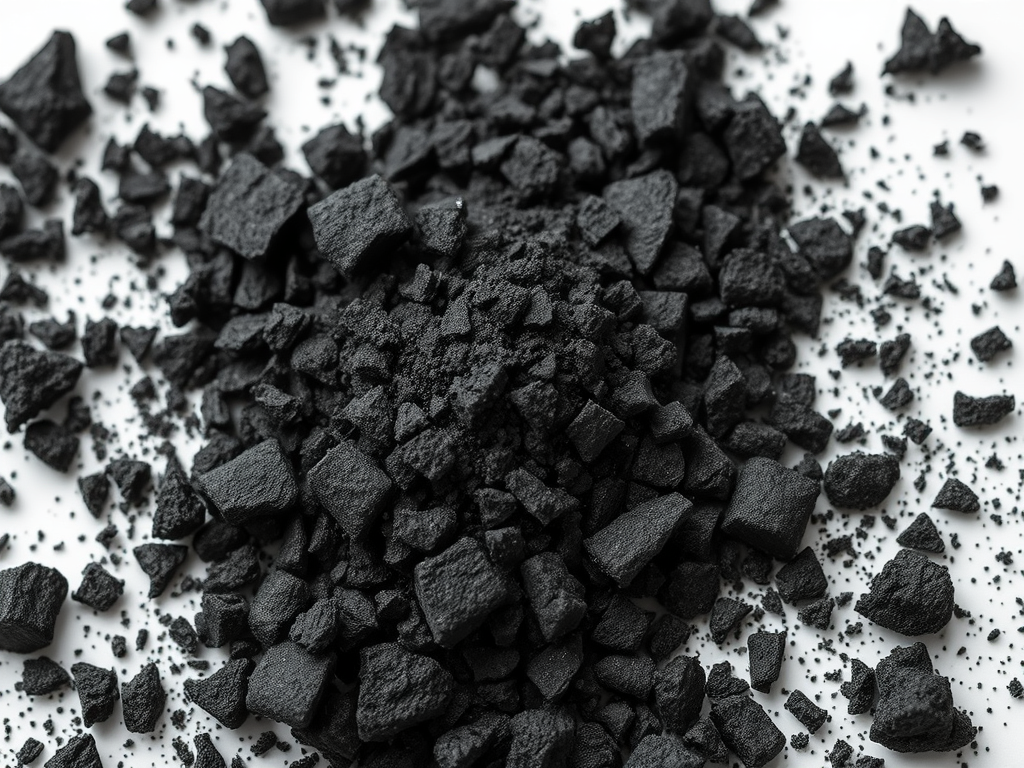
From Roasting to Recovery, the Different Iterations of Charcoal

Activated charcoal, long used in emergency rooms to treat poisoning, is emerging as a potential tool for preventing and treating brain injury. A March 2025 Canadian multicenter study published in the Canadian Journal of Emergency Medicine found that poisoned patients treated with activated charcoal had a 9.2% lower risk of increased toxicity, critical for preventing the brain damage that often follows severe overdoses.

Regular charcoal and activated charcoal are fundamentally different, as the former can actually cause brain damage. According to the Consumer Product Safety Commission, approximately 20 Americans die annually from carbon monoxide poisoning linked to charcoal grills used indoors, with survivors often suffering permanent neurological damage. The potential risk occurs because cooking charcoal undergoes simple carbonization, while activated charcoal receives additional treatment at extreme temperatures, creating a surface area exceeding 500 square meters per gram – five times greater than regular charcoal. This porous structure enables it to adsorb toxins before they reach the bloodstream and brain.

Currently, the Food and Drug Administration does not approve of activated charcoal as a food addictive or coloring agent, and in New York and other cities, it is banned for use in food and drinks. (Concern is due to the fact the activated charcoal is reported to cause constipation and nutritional deficits, as it can harden in the intestines.) Specifically related to traumatic brain injury, though, NIH-funded researchers at Rice University have developed oxidized activated charcoal nanoparticles that restore cerebral blood flow in animal models. According to StatPearls, the NIH’s clinical reference guide, updated in 2025, “Activated charcoal is most efficacious when given within one hour of ingestion of the toxin.”