E-Bikes and Brain Injury: The Risks, the Recovery, and the Law

E-bikes continue to grow in popularity, allowing one to avoid automobile traffic. But because e-bikes can reach speeds of 20 to 28 mph or more, crashes carry serious consequences, including severe traumatic brain injuries. More so, studies have found that young e-bikers suffer traumatic brain injuries at nearly twice the rate of traditional cyclists (37.8% vs. 19.4%). Notably, only 44% of hospitalized e-bike riders were wearing helmets, and helmetless riders were almost twice as likely to sustain a head injury.

The case of Bella Prince, a Utah teenager who crashed her e-bike into a retaining wall at 40 mph and tumbled 25 feet down a cliff, brought special attention to the e-bike issue in the State. The teen survived because of emergency neurosurgery, but she was left with a severe traumatic brain injury. Horrific stories like Bella’s are driving legislative action. Utah’s HB 381, Electric Mobility Device Amendments, passed both the House and Senate with broad support on February 13, 2026. The bill requires helmets for e-bike riders under 21 and empowers police to impound e-bikes from unsafe riders. (As of March 16, 2026, HB 381 has not been signed into law by the governor.)

Currently, only Alabama, Connecticut, and Massachusetts require helmets for all e-bike riders of every age and class. California, Georgia, Louisiana, Ohio, Tennessee, and Virginia, mandate helmets for all Class 3 e-bike riders, with Class 3 defined as bikes that are pedal-assist up to 28 mph. California also enacted a package including AB 1778 in 2024, which created a Marin County pilot program requiring all Class 2 riders to wear helmets and banning riders under 16 from Class 2 e-bikes. In New York, pending bill S2526 would require helmets for all e-bike and bicycle riders in larger cities, though the same bill has failed in prior years. New Jersey S4834/A6235 abolished the three-class system entirely and reclassified all e-bikes as “motorized bicycles” requiring licensing, registration, insurance, and mandatory helmets beginning in January 2026. However, as of now, no federal e-bike helmet law exists.

Yet e-bikes can also be part of traumatic brain injury recovery. The pedal-assist feature allows TBI survivors with limited stamina, balance issues, or motor challenges to engage in outdoor physical activity, which research links to improved cognitive function and mental health during rehabilitation.

Ultimately, the message is clear: e-bikes offer real benefits, but only when ridden safely.
NJ’s Proposed Step Forward May Be a Step Too Far

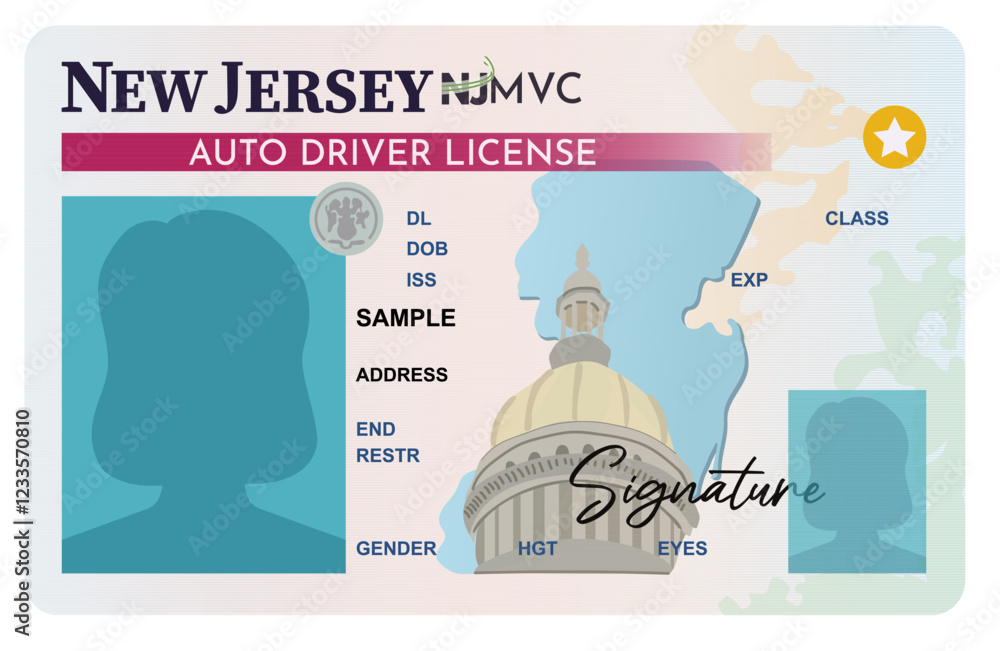
New Jersey Senate Bill S192, introduced January 13, 2026, would allow residents diagnosed with a traumatic or acquired brain injury to voluntarily add a designation to their driver’s license or state ID. The notation, stored in a Motor Vehicle Commission registry accessible to law enforcement, aims to improve interactions between officers and brain-injured individuals.

The bill is sponsored by Senate Transportation Committee Chair Senator Patrick Diegnan, with Senator Parker Space among its co-sponsors, making it a bipartisan measure. “[Individuals with brain injuries] often have differing communication styles and body language, which an officer could misinterpret. Having a designation would help to lower the risk of negative encounters,” states Diegnan.  This is not Diegnan’s first push on the issue. Predecessor bills S3673 and A2961 carried over from the 2024 – 2025 session.

Other states have already enacted comparable measures. Virginia allows residents to voluntarily add a traumatic brain injury designation to their driver’s license or ID card through the DL-145 form. Maine has codified acquired brain injury identification cards under Title 29-A, §1410-A of state statute. While New Jersey, Virginia and Maine may politically lean left, the contents of the bill are bipartisan, in relation to state. In right-leaning Tennessee, Code § 55-50-307 provides a similar acquired brain injury designation for driver’s licenses and photo ID cards.

Proponents argue the bill saves lives by reducing dangerous miscommunications during traffic stops. Critics, however, raise civil liberties concerns, as a visible disability marker could expose individuals to stigma, implicit bias, or unequal treatment. Well-intentioned protection could inadvertently promote discrimination against the brain-injured population.

What will happen to S192 in New Jersey remains uncertain. Since introduction, the Senate Transportation Committee passed it with amendment by a unanimous 6–0 vote on February 5, 2026. It now sits in Senate Budget and Appropriations Committee, before being sent to the Senate and Assembly.

Stroke Detection Mandate Comes to RAA

Richmond Ambulance Authority became Virginia’s first government-funded emergency medical service to train staff on advanced stroke detection, implementing the American Heart Association’s Essential Stroke Life Support program in December 2025. The initiative equips approximately 175 paramedics and EMTs with the BEFAST protocol – assessing balance, eyes, face, arms, speech, and symptom timing – allowing strokes to be identified faster.

During an untreated stroke, 1.9 million neurons die every minute, according to NIH-funded research. Patients receiving early treatment for this brain injury show remarkably improved outcomes, with some studies reporting 40% relative increases in independent ambulation.

With reports showing that approximately 205,000 annual EMS activations nationwide are related to suspected stroke, prehospital detection is critical. Stroke continuing education mandates, though, remain limited. States with requirements include Massachusetts, New Jersey, Virginia, California, Illinois, North Carolina, and Texas. New Jersey law N.J.S.A. 27:5F-27.1 mandates that “each emergency medical services [EMS] provider… shall incorporate training on the assessment and treatment of stroke patients”.

“Time is tissue,” explained RAA Training Coordinator Harold Mayfield. “[Most] brain tissue does not regenerate. The sooner we identify and treat, the better the outcome.”

Phantom Brain Emerges from NRL/VCU Collaboration

“The word ‘phantom’ may conjure up scary ideas, like ghosts, delusions or fake bank accounts… [but] medical imaging phantoms are objects used as stand-ins for human tissues,” according to the National Institute of Standards and Technology of the U.S. Department of Commerce. “Phantoms offer… comprehensive assessments and iterative optimization of imaging modalities… enabling improvements in their chances of success before human studies,” reported the NIH in May 2024.

Announced December 8, 2025, scientists at the U.S. Naval Research Laboratory in Washington D.C. and Virginia Commonwealth University in Richmond have developed the first anatomically accurate rat brain phantom capable of measuring traumatic brain injury impacts in real time. This breakthrough emerged from a multi-year partnership between NRL physicist Dr. Margo Staruch and VCU professor Dr. Ravi Hadimani.

The phantom uses a custom gel-like material that mimics real brain tissue’s consistency.  Working like a tiny power generator activated by pressure, an embedded sensor converts physical impacts into measurable electrical signals. It replicates the brain’s distinct layers: skull, cerebrospinal fluid (the protective liquid cushioning the brain), gray matter, and white matter.

“That information can directly inform the design of improved helmets and protective gear, leading to better protection for warfighters and will also contribute to better diagnostic and treatment pathways for TBI,” said Staruch.