Federal Crackdown on Commercial Truck Drivers Beyond Immigration

In 2024, Dalilah Coleman was critically injured when an 18-wheeler truck crashed on a California road that the government attributes to an undocumented immigrant driver. On August 31, 2026, in Detroit, Transportation Secretary Sean Duffy and Homeland Security Secretary Markwayne Mullin, joined by Dalilah and her father, announced a major interagency crackdown on the trucking industry, targeting fraud. This fraud specifically applies to commercial licenses and unlicensed, non-English-proficient drivers, as Mullin had warned that unqualified drivers who cannot “understand the rules of the road” are endangering Americans.
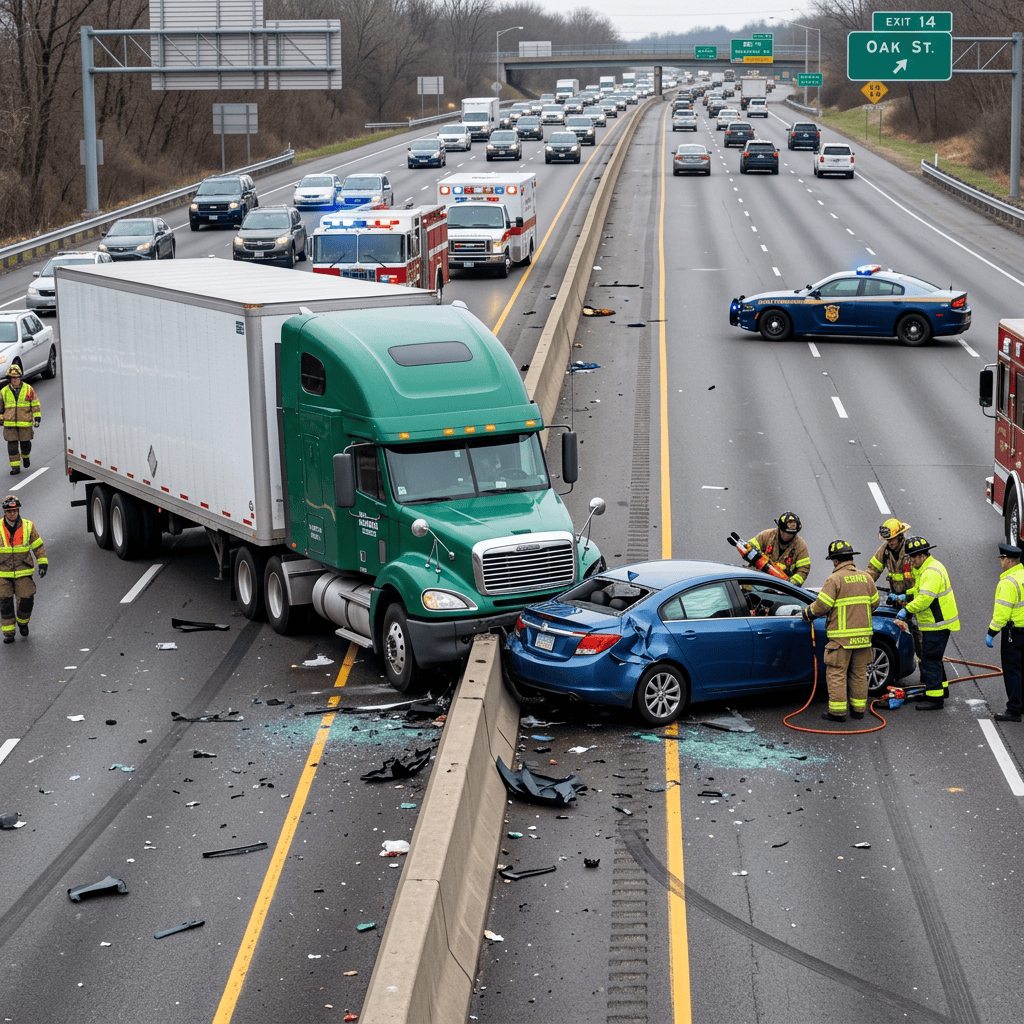
Emergency crews respond to a truck and car collision on highway

Motor-vehicle crashes cause about 24.5 percent of all traumatic brain injury hospitalizations. A loaded tractor-trailer presents more danger because it can outweigh a passenger car twentyfold. In 2024, crashes involving large trucks killed 5,340 people and injured an estimated 161,201. Data isolating brain injuries caused by unlicensed commercial drivers does not yet exist, but enforcement figures hint at the scale.

The Federal Motor Carrier Safety Administration also announced the emergency removal of certifications for 110 CDL schools, and the proposed removal of certifications of dozens of other training schools. Totaling over of 160 schools, and associated with more than 5,000 drivers, the FMCSA cites these school for certifying drivers who fail English language proficiency tests. Additionally, since 2025, the USDOT put more than 28,000 drivers “out of service” for English language proficiency violations, though this equals a temporary stop, not a license revocation. They also forced states to cancel over 30,000 improperly issued licenses.
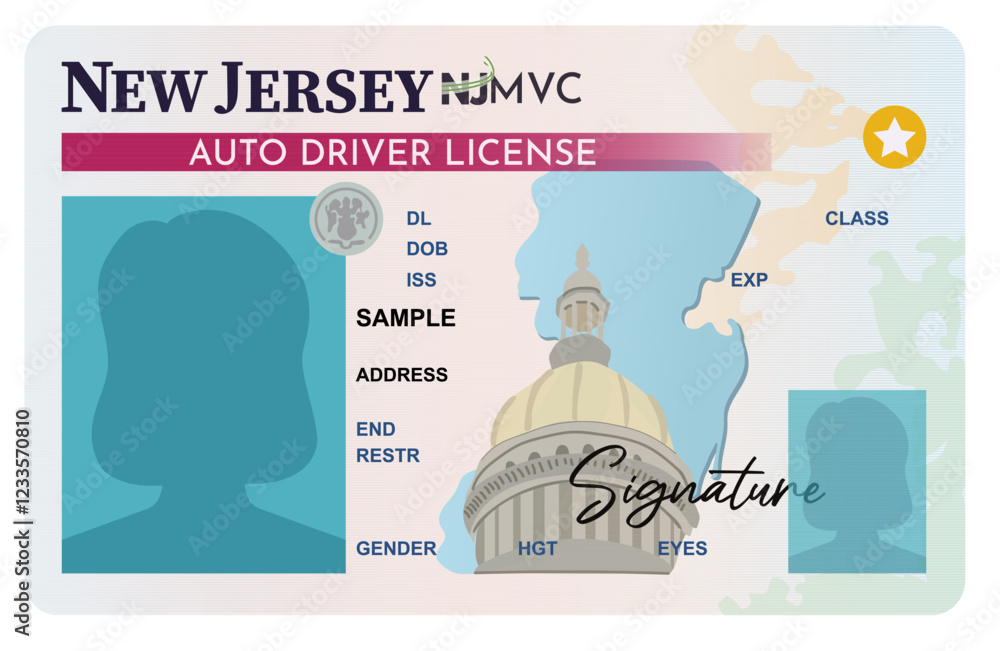
NJ’s Proposed Step Forward May Be a Step Too Far

New Jersey Senate Bill S192, introduced January 13, 2026, would allow residents diagnosed with a traumatic or acquired brain injury to voluntarily add a designation to their driver’s license or state ID. The notation, stored in a Motor Vehicle Commission registry accessible to law enforcement, aims to improve interactions between officers and brain-injured individuals.

The bill is sponsored by Senate Transportation Committee Chair Senator Patrick Diegnan, with Senator Parker Space among its co-sponsors, making it a bipartisan measure. “[Individuals with brain injuries] often have differing communication styles and body language, which an officer could misinterpret. Having a designation would help to lower the risk of negative encounters,” states Diegnan.  This is not Diegnan’s first push on the issue. Predecessor bills S3673 and A2961 carried over from the 2024 – 2025 session.

Other states have already enacted comparable measures. Virginia allows residents to voluntarily add a traumatic brain injury designation to their driver’s license or ID card through the DL-145 form. Maine has codified acquired brain injury identification cards under Title 29-A, §1410-A of state statute. While New Jersey, Virginia and Maine may politically lean left, the contents of the bill are bipartisan, in relation to state. In right-leaning Tennessee, Code § 55-50-307 provides a similar acquired brain injury designation for driver’s licenses and photo ID cards.

Proponents argue the bill saves lives by reducing dangerous miscommunications during traffic stops. Critics, however, raise civil liberties concerns, as a visible disability marker could expose individuals to stigma, implicit bias, or unequal treatment. Well-intentioned protection could inadvertently promote discrimination against the brain-injured population.

What will happen to S192 in New Jersey remains uncertain. Since introduction, the Senate Transportation Committee passed it with amendment by a unanimous 6–0 vote on February 5, 2026. It now sits in the Senate Budget and Appropriations Committee, before being sent to the Senate and Assembly.