Stroke Detection Mandate Comes to RAA

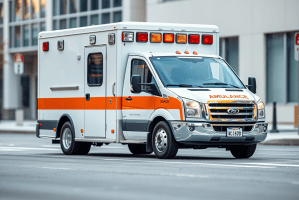
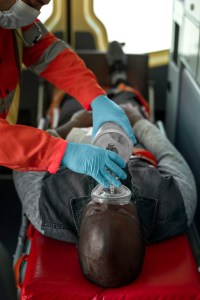
Richmond Ambulance Authority became Virginia’s first government-funded emergency medical service to train staff on advanced stroke detection, implementing the American Heart Association’s Essential Stroke Life Support program in December 2025. The initiative equips approximately 175 paramedics and EMTs with the BEFAST protocol – assessing balance, eyes, face, arms, speech, and symptom timing – allowing strokes to be identified faster.

During an untreated stroke, 1.9 million neurons die every minute, according to NIH-funded research. Patients receiving early treatment for this brain injury show remarkably improved outcomes, with some studies reporting 40% relative increases in independent ambulation.

With reports showing that approximately 205,000 annual EMS activations nationwide are related to suspected stroke, prehospital detection is critical. Stroke continuing education mandates, though, remain limited. States with requirements include Massachusetts, New Jersey, Virginia, California, Illinois, North Carolina, and Texas. New Jersey law N.J.S.A. 27:5F-27.1 mandates that “each emergency medical services [EMS] provider… shall incorporate training on the assessment and treatment of stroke patients”.

“Time is tissue,” explained RAA Training Coordinator Harold Mayfield. “[Most] brain tissue does not regenerate. The sooner we identify and treat, the better the outcome.”

Federal Funding Advances “Holy Grail” of TBI Diagnosis

A Boston company developing a non-invasive way to detect dangerous brain swelling after traumatic brain injury has received $5.5 million in federal funding from the NIH Blueprint MedTech Program and Department of War’s Joint Warfighter Medical Research Program.

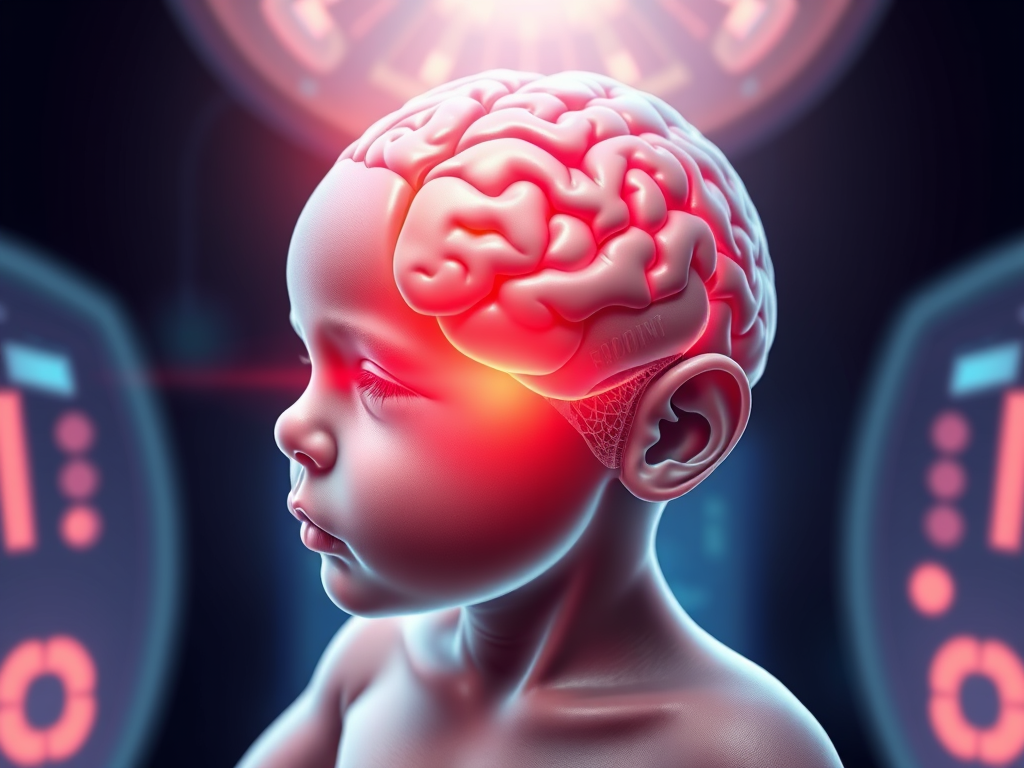
This new non-invasive technology, CranioSense, uses a forehead patch and clip-on sensors to detect elevated pressure without surgery and could transform TBI emergency care. Currently, measuring intracranial pressure – which if elevated can cause brain damage, coma, or death – requires drilling into the skull. This limits testing of brain swelling to only the most critical patients, meaning only approximately 2% of TBI patients ever have their brain pressure measured.

A retired U.S. Army Special Operations Command consultant called the new technology “a ‘Holy Grail’ of prolonged casualty care” that addresses “one of the biggest gaps in monitoring critical casualties.”

The December 2025 grants will support device development and validation ahead of FDA approval. If cleared, the system could make brain pressure assessment “as routine as blood pressure measurement” in emergency rooms, on battlefields, and at accident scenes – catching dangerous swelling early when intervention can save lives.

Should 2026 Fiscal Year Funding Concern the Brain Injured?

President Trump signed S.1071 into law on December 18, 2025. The National Defense Authorization Act for Fiscal Year 2026 was sponsored by Sen. John Cornyn (TX), and co-sponsored by Sen. Ted Cruz (TX), and received bipartisan support in Congress. The House passed the measure 312-112 on December 10, with the Senate approving it 77-20 one week later.

Similar to the redesignation of the Department of Defense as the Department of War, the $900 billion defense package appears to focus more on military action than research  As early as May 2025, ESPN reported, “The Trump administration’s 2026 fiscal budget request to Congress eliminates major federal funding for traumatic brain injury (TBI) research and education, potentially undercutting efforts to address head injuries in sports, particularly at the high school and youth levels.” The 2024 funding bill also included decreased funding for brain injury research. 

Whether the bill affects treatment options and research, and to what level, is to be seen.* It appears that some broader funding can be given to any study, even if it goes above the mandated TBI research amount. Additionally, most of the plentiful research I report on seems to be unrelated to the Department of War.

*Only one day prior to the signing of S.1071, Rep. Lori Trahan (MA) introduced H.R.6823 – “To direct the Secretary of Defense to establish a pilot program to facilitate the development of certain traumatic brain injury diagnostics for members of the Armed Forces.” On that day, December 17, 2025, it was referred to the House Committee on Armed Services. Since that time, no further action has been taken.

Molecular Drug Carrier Turns Out To Be Drug Itself

A four-amino-acid peptide called CAQK (Cysteine-Alanine-Glutamine-Lysine) has emerged as a promising therapeutic candidate for traumatic brain injury. This artificially produced peptide was first discovered in 2016 by researchers at Sanford Burnham Prebys Medical Discovery Institute (CA) – it’s like a delivery drone that scientists built to recognize those specific warning signs and go directly to them

Since that time, the National Institutes of Health has continued to support CAQK research through multiple grants, such as a 2025 $2.5 million SBIR award to AivoCode, the biotech company developing CAQK for clinical trials. A resulting 2025 study published in EMBO Molecular Medicine revealed that CAQK possesses intrinsic neuroprotective properties – reducing lesion size, decreasing cell death, and alleviating neuroinflammation in mice with brain injuries. This discovery transforms CAQK from merely a drug delivery vehicle into a potential standalone treatment – a significant advancement in neuroscience research.

Brain Injury Prevention on the Slopes

Katie Watt, captain of the Bates College Nordic ski team, filed suit in December 2025 after a 597-pound unsecured bench shelter struck her during track practice in October 2024, causing a skull fracture and traumatic brain injury. The case, still pending, alleges the college failed to anchor equipment despite 30 mph winds.

Maine’s ski statute 32 M.R.S. §15217 establishes that skiers accept inherent risks, including terrain, weather, and collisions, “as a matter of law,” while preserving claims for negligent operation or maintenance. Similar statutes exist in Colorado, New Hampshire, and Utah, while Vermont statues uniquely void all liability waivers. (I was told by a lawyer that, based on their experience in New Jersey, a ski slope operator is culpable only when gross negligence is proven, such as if they dug a deep hole in the slope terrain.)

Evidence-based TBI prevention emphasizes helmet use which reduces head injury risk by 29-60%. Additionally, avoid terrain parks (31% higher head injury risk), and stop skiing by mid-afternoon when 40% of injuries occur. Groomed intermediate runs, proper lessons, and pre-season conditioning significantly reduce risk.

With proper precautions, skiers can enjoy the slopes safely while understanding their legal responsibilities.

Challenges of the Cold Zone   

Whether you call it spacing out, daydreaming, or mind wandering, zoning out reportedly occupies roughly 40% of our daily mental activity. Winter months may make it worse – a 2021 NIH systematic review found that 15 of 18 studies showed cold exposure impairs cognitive performance, particularly attention and processing speed. Neuroimaging research also reveals that brain responses for sustained attention reach their minimum around the winter solstice.

The holiday season poses additional challenges. Studies show 64% of mind wandering is future-oriented, with 44% devoted to planning daily obligations. For children – who are already off-task about 24% of the time, according to 2024 NIH research – anticipating holiday events and presents can overwhelm developing executive function, leading to inattention and emotional outbursts. Adults juggling parties, gift-giving, and travel face similar struggles.

This inattention can carry serious consequences. Zoning out while driving can result in driving activity, or inactivity, that may lead to accidents that negatively affect the driver and others; distracted driving alone killed 3,275 people in 2023, while an estimated 325,000 people were injured that same year – the specific number of traumatic brain injuries that resulted from these accidents is unknown. But NIH-published studies report that the relationship, of course, works both ways, as brain injuries damage frontal lobes essential for focus.

Government health agencies recommend combating attention lapses year-round through adequate sleep of about 7-9 hours nightly, taking short breaks during demanding tasks, breaking large projects into smaller steps, and practicing mindfulness techniques that gently redirect wandering thoughts rather than suppressing them. For brain injury survivors, the recommendations for coping with the winter, in general, and the winter holiday season are much the same: prioritize rest, simplify holiday activities, maintain routines, reduce sensory overstimulation, and practice metacognitive strategies by planning ahead and recognizing limits.

Genetic “Light Switch” Could Turn Off Pediatric Brain Injury

“Epigenetics refers to how your behaviors and environment can cause changes that affect the way your genes work,” reports the CDC. As defined by the NIH National Cancer Institute, a methyl group is, “a small molecule made of one carbon and three hydrogen atoms.” Epigenetic changes can include DNA methylation: this addition of the methyl group to cytosine. (Cytosine is, “chemical compound that is used to make one of the building blocks of DNA and RNA,” notes the NCI.) These modifications, that turn genes “on” or “off” without altering DNA itself, act as a cranial “light switch”, as they, “encode a member of the nerve growth factor family of proteins… promoting binding of this protein to its cognate receptor promotes neuronal survival in the adult brain.”

It may be difficult to fully understand how the aforementioned scientific information relates directly to brain injury, but recent study results further lay out the benefits of DNA methylation in recovery. In December 2025, University of Pittsburgh researchers published findings in the Journal of Neurotrauma related to epigenetics and brain injury. Led by Dr. Lacey Heinsberg and Dr. Amery Treble-Barna, the study examined nearly 300 children at UPMC Children’s Hospital, discovering that children with traumatic brain injuries showed significantly lower DNA methylation of the BDNF gene (Brain-Derived Neurotrophic Factor) compared to children with orthopedic injuries. 

Encouragingly, these negative changes appear reversible. “DNA methylation is dynamic and modifiable, which means it could respond to interventions like diet, exercise and therapy,” Dr. Heinsberg noted. These findings open doors for personalized rehabilitation strategies that could actively improve recovery for children with brain injuries.

Phantom Brain Emerges from NRL/VCU Collaboration

“The word ‘phantom’ may conjure up scary ideas, like ghosts, delusions or fake bank accounts… [but] medical imaging phantoms are objects used as stand-ins for human tissues,” according to the National Institute of Standards and Technology of the U.S. Department of Commerce. “Phantoms offer… comprehensive assessments and iterative optimization of imaging modalities… enabling improvements in their chances of success before human studies,” reported the NIH in May 2024.

Announced December 8, 2025, scientists at the U.S. Naval Research Laboratory in Washington D.C. and Virginia Commonwealth University in Richmond have developed the first anatomically accurate rat brain phantom capable of measuring traumatic brain injury impacts in real time. This breakthrough emerged from a multi-year partnership between NRL physicist Dr. Margo Staruch and VCU professor Dr. Ravi Hadimani.

The phantom uses a custom gel-like material that mimics real brain tissue’s consistency.  Working like a tiny power generator activated by pressure, an embedded sensor converts physical impacts into measurable electrical signals. It replicates the brain’s distinct layers: skull, cerebrospinal fluid (the protective liquid cushioning the brain), gray matter, and white matter.

“That information can directly inform the design of improved helmets and protective gear, leading to better protection for warfighters and will also contribute to better diagnostic and treatment pathways for TBI,” said Staruch.

Give Your Brain a Gift: Benefit of Creative Activities in Brain Injury Recovery and Beyond

Creative hobbies strengthen brain health in everyone, but they hold particular promise for those recovering from brain injury. Activities like painting, dancing, music, creative writing, pottery, and even certain video games engage multiple brain regions, enhancing memory, coordination, and emotional well-being.

A 2025 study published in Nature Communications, and found in the NIH dababase, examined brain data from over 1,400 participants across 13 countries and found that creative activities can slow brain aging and promote healthier brain function. Lead researcher Dr. Carlos Coronel noted that “these creative experiences help protect brain connections that are vulnerable to accelerated aging.”

Related to brain injury survivors specifically, creative arts therapies show measurable benefits. As President Franklin D. Roosevelt, who suffered significant neurological issues and found solace in creative hobbies during his recovery from polio, declared: “I owe my life to my hobbies.” 2025 research reports in the Archives of Physical Medicine and Rehabilitation, in the NIH database, note that there is increasing use of creative arts therapy for addressing traumatic brain injury, from intensive care units to home health. Studies demonstrate positive impacts on daily living activities, motor function, and emotional well-being. In fact, the neurological changes following brain injury may actually enhance artistic capabilities through increased neural plasticity and synapse formation.

Crucially, these benefits extend beyond formal rehabilitation. Continuing creative pursuits long-term helps maintain neural connections in everyone, making it essential for survivors to keep practicing their creative hobbies. The holiday season offers perfect opportunities—crafting decorations, creating handmade gifts, baking festive treats, and arranging seasonal displays all provide therapeutic engagement.

McNabb Continues to Address “Cruelty”

Over 69,000 TBI-related deaths occur annually in the United States, yet survivors face mockery rather than support:

Recently, Payton McNabb—who suffered a traumatic brain injury during a 2022 volleyball game—was mocked by transgender comedian Stacy Cay, who called footage of McNabb’s injury “pretty funny” and criticized her for falling “like a toddler.” McNabb responded powerfully to those repugnant so-called jokes: “A grown man mocking a teenage girl’s traumatic brain injury isn’t comedy—it’s cruelty.” This is particularly notable since transgender discrimination is often at the foreword of the news and “cruelty” is one note that is used to rightfully describe it.

In schools, students with TBI face bullying from peers and even faculty. As for American adults, the percentage who have had a TBI, and are living with its consequences, ranges from 19-29%, according to recent statistics. Adults experience workplace discrimination in many ways, despite federal protections. These laws, specifically the 1996 TBI Act and Section 504 of the Rehabilitation Act of 1973, ostensibly protect survivors from discrimination but do not eliminate the problem.

Unrelated to McNabb’s trauma, President Trump previously dismissed TBIs as “just a headache”, in reference to service members. This 2020 ignorant statement is, unfortunately, shared by many who have no first- or second-hand experience with brain injury. As commonly is the case for those who interact with those who have a neurological injury, President Trump’s understanding of brain injury and respect for brain injury survivors has since changed. Recently, he honored Payton McNabb at his Congressional address. (McNabb also addressed the North Carolina General Assembly in 2023 and her bio is currently available to view in the congressional record.)