Holiday Season’s Favorite Flavor Could Help Brain Injury Recovery

The aroma of candy canes dangling from Christmas trees, the rich sweetness of peppermint bark shared among friends, the warming comfort of peppermint hot chocolate on a cold night, mint is a staple of winter season. Throughout the years, scientists involved in various studies have found that the benefits of mint go beyond taste.

Menthol, mint’s active compound, can be thought of as a targeted healing agent. Millenia ago, Aretaeus of Cappadocia, a physician in the 2nd century AD in Ancient Greece, first documented mint’s effects on the nervous system when he recommended it to treat epilepsy, a possible side effect of brain injury. A 2022 study in the Journal of Neuroinflammation showed it reduced stroke damage and accelerated recovery. How? By calming inflammation in injured brain tissue, ramping up the body’s natural antioxidant defenses, and improving blood flow to areas desperately needing oxygen and nutrients – the trifecta of post-injury healing.

Studies found in the NIH database confirm that mint doesn’t just freshen breath, it strengthens the brain. A 2018 trial discovered that spearmint extract improved working memory by 15%, while 2008 research revealed that simply smelling peppermint enhanced memory and alertness.

Most exciting? A groundbreaking May 2025 study from Northumbria University found that drinking just one cup of peppermint tea significantly boosted memory, attention, and working memory in healthy adults, with effects appearing within mere minutes. “Those people who had drunk the peppermint tea had better long-term memory,” explains Dr. Mark Moss of Northumbria University, whose research appears in NIH databases. That simple cup of tea may do more for your brain than you ever imagined.

While mint may be a star in the winter, you don’t have to limit consumption of the healing potential of this taste to December. Summer brings mojitos and mint juleps mocktails. Mediterranean kitchens toss mint into tabbouleh salad and swirl it into creamy tzatziki. And, of course, fresh mint ice cream is always a tasty dessert. From ancient remedy to modern superfood, this versatile herb truly deserves a spot at your table year-round.

Enjoy a Choline-Rich Thanksgiving!

On Thursday, Thanksgiving dinner allows us to incorporate many choline-rich foods into our meal. Beyond simply turkey, many sources, including the NIH, have found that traditional Thanksgiving vegetables, such as broccoli and brussel sprouts, and starches, such as russet and red potatoes, provide health benefits.

While pumpkin pie may only have a moderate amount of the nutrient, recipes that contain higher levels exist, and various puddings have significantly more.

https://ods.od.nih.gov/factsheets/Choline-HealthProfessional/

Emotional Release with the Mocktail

America is now three days past the 2025 elections, the results of which may have either brought celebration or disappointment. Regardless, this weekend may be one of excess drinking of adult beverages. Before partaking, though, people with and without a brain injury should know the neurological facts of imbibing:

Alcohol attacks your brain in multiple ways.  A 2025 American Academy of Neurology study of 1,781 brain autopsies found heavy drinkers had 133% more brain lesions—damaged tissue that chokes off blood flow and causes memory problems.

Despite knowing that alcohol’s negative effects, a person may to choose to indulge in a social setting to release stress or to just “fit in” with the crowd. Those with brain injuries, though, often already have daily struggles in social skills (the words they communicate, intonation, voice volume, use of gestures, facial expressions, body positioning) and should be more cautious. Unlike the general public, for which the NIH-published scientific results are less clear, science has determined there’s no safe drinking level for those with brain injuries.  Many medications specifically state “no alcohol”.  Additionally, a 2025 National Institute on Alcohol Abuse and Alcoholism review found TBI and alcohol create a synergistic effect—together they trigger far worse inflammation and damage than either alone.

What about wine’s “brain-cleaning” benefits? A 2025 Stanford research report debunked this theory, exposing that earlier studies suffered from selection bias when comparing moderate drinkers to “abstainers”. Apparently, these “abstainers” were often former heavy drinkers who had stop due to their failing health. When properly analyzed, the protective effects vanished. Even low alcohol doses damage DNA and disrupt brain signaling. 

The good news? Brain damage from alcohol abuse may reverse with abstinence, as nerve cells regenerate. Additionally, more alcohol-centric establishments now offer popular and tasty mocktails as an alternative.  

Gambling At Odds With Your Brain

Hollywood has long depicted the brutal consequences of gambling debt. In Casino, debtors are beaten with baseball bats and buried alive. Uncut Gems, a favorite of mine, shows Adam Sandler’s character shot in the face despite finally winning enough to pay everyone back. These fictional beatings causing head trauma mirrors a darker real-world cycle: brain injuries can themselves create devastating gambling vulnerabilities.

Gambling is legal and gambling establishments exist in 48 states and they are engineered to entice. Casinos use specific lighting, no clocks, free alcohol, and calculated rewards to keep people playing. Online gambling apps employ similar tactics through notifications, bonus offers, and easy one-click betting designed to override rational decision-making. These manipulative tactics can be especially perilous for brain injury survivors. A 2020 study found brain injury survivors face 2.8 times higher odds of developing gambling problems.

Traumatic brain injuries can affect the prefrontal cortex and orbitofrontal regions. This can then cause behavioral changes by disrupting impulse control, creating powerful urges that override rational thinking and causing disinhibition. On August 8, 2025, the NIH published results of a study that found the dopamine system can also be dysregulated, driving brain injury survivors to seek the stimulation that gambling provides. A person with a brain injury may simply struggle to recognize they’re losing, calculate odds accurately, or stop when they should.

The consequences can be devastating. In one case, a construction worker who sustained a workplace head injury lost $80,000 at Las Vegas casinos within six months, unable to process his mounting losses due to impaired executive function. Thankfully, his family intervened before complete financial ruin.

Hope exists: There are support organizations, such as Gamblers Anonymous (https://gamblersanonymous.org/) which reports 50-70% sustained recovery rates. For those with brain injuries, overcoming this addiction may require both addiction and cognitive rehabilitation, but recovery is very possible.

Update: Have a TBI?  Find out anytime, anyplace.

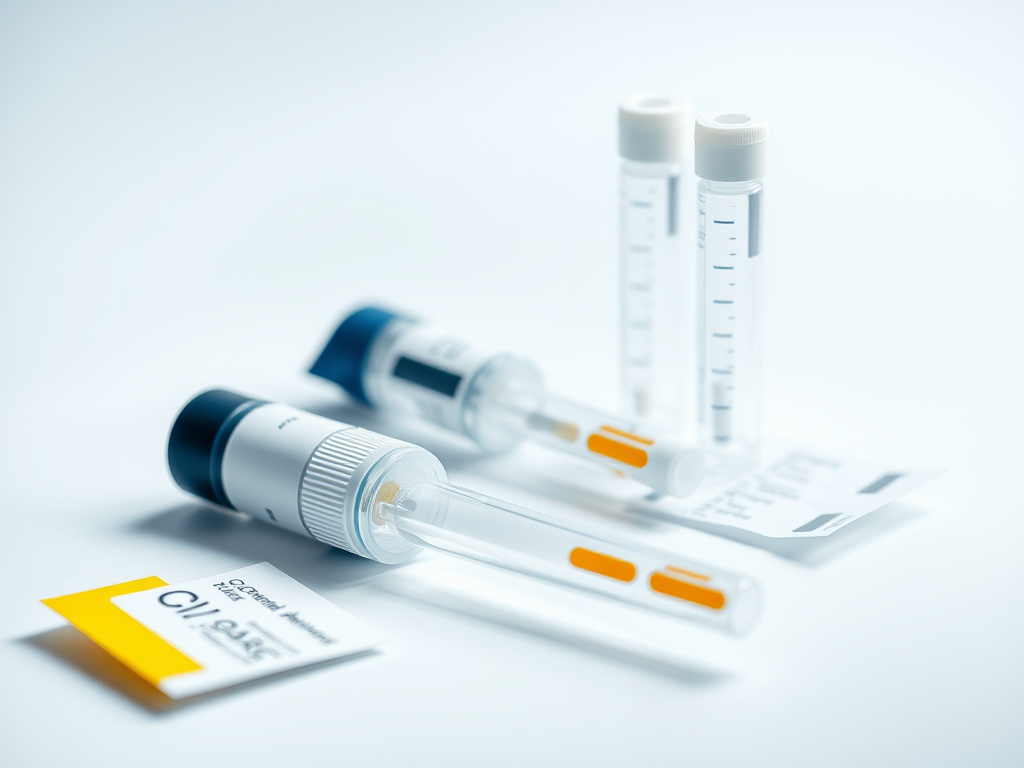
I am pleased to report that i-STAT, the Abbott Laboratories’ portable brain injury detector that I first posted about in 2017 as in development, and again cited in 2023, has received the attention it deserves from a major publication.

On October 9. 2025, Time acknowledged i-STAT as one of the best new inventions:

“During head traumas like concussions, the brain’s cells release two proteins, GFAP and UCH-L1. Abbott’s i-STAT Traumatic Brain Injury (TBI) test only takes about 15 minutes to look for signs of brain injury by checking for these biomarkers, offering a much quicker alternative to CT scans—the go-to diagnostic since the 1970s. The medical community long thought a TBI blood test was impossible, largely because of the blood-brain barrier. “It was a tall order, and there was no road map,” Dr. Beth McQuiston, Abbott’s medical director of diagnostics, says. The test was FDA cleared in 2024, and MotoAmerica has already deployed Abbott’s test during motorcycle races.”

See article: https://time.com/collections/best-inventions-2025/7318430/abbott-i-stat-tbi/

Movie Explores Rare Brain Injury Horror

The 2025 film HIM follows a quarterback’s descent into madness after brain trauma. This current wide-release brings cinematic attention to a real medical nightmare: post-traumatic psychosis. This devastating condition is reported to affect 0.7% of traumatic brain injury patients, typically emerging 4-5 years after the initial trauma.

Among those who develop post-traumatic psychosis, research funded by such institutions as the NIH, reveals 92% of patients develop delusions while 87% experience hallucinations, with brain scans showing frontal and temporal lobe damage. Medical literature documents chilling cases, including a man who developed paranoid delusions and personality changes decades after a gunshot wound to his frontal lobe, and another patient who couldn’t recognize familiar people following severe head trauma.

Dr. David Arciniegas, Director of Education at Marcus Institute for Brain Health at the University of Colorado Anschutz Medical Campus, notes that, “delusions are a core feature of posttraumatic psychosis,” making diagnosis critical. The federal government invests heavily in brain injury research, so hopefully there will soon be more understanding of this condition.

The “Smart” Mushroom

This week, Wired published a story featuring the Lion’s Mane mushroom. The article includes recipes that use this fungi, which has a distinctive seafood-like texture, such as “crab” cakes and mushroom ragu. Such an article begs the question as to why a publication known for its technological news would choose to focus on an ancient food.

In fact, the Lion’s Mane mushroom has been gaining scientific attention in the past several years for its potential therapeutic benefits, particularly for brain health and traumatic brain injury recovery. Recent research published by the National Institutes of Health has explored this distinctive white, shaggy mushroom’s neuroprotective properties.

This fungi contains unique compounds called hericenones and erinacines that can stimulate nerve growth factor synthesis, which have been shown to aid in cognitive function, memory, and neurological recovery. Studies suggest benefits for conditions ranging from mild cognitive impairment (mTBI) to traumatic brain injury, with additional advantages for immune system support, gut health, and inflammation reduction.

“The mushroom’s capacity to stimulate nerve growth factor (NGF) synthesis has highlighted its potential in preventing and managing neurodegenerative diseases, such as Alzheimer’s and Parkinson’s,” according to a 2025 NIH research review. Earlier NIH research notes that “erinacine C treatment led to significantly reduced brain inflammation and normalization of mTBI-induced deficits through the modulation of the Nrf2 activation pathway.”

Based on this research, it appears consumption of Lion’s Mane mushrooms could prove beneficial to all people, brain damaged or not. 

(Experts caution that most studies remain in animal models, human clinical trials are limited. Consultation with healthcare providers is recommended before supplementation.)

Cursive Writing Benefits to Students & the Brain Injured

Cursive writing functions as a complex motor skill that can remarkably persist even when brain injury patients lose explicit memory of how to perform it. This surprising phenomenon occurs because cursive engages procedural memory systems stored in the basal ganglia and cerebellum, which often remain intact when other cognitive functions are impaired. Recent NIH-funded research demonstrates that “attempting to write each letter produces a unique pattern of activity in the brain,” as Stanford’s Dr. Frank Willett explained in a 2025 study. A comprehensive 2025 analysis published by the NIH found that cursive writing creates enhanced connectivity across motor, visual, and memory regions.

For brain injury survivors, studies suggest cursive practice offers superior rehabilitation benefits. Unlike typing, which “relies on repetitive finger movements,” cursive engages “fine motor coordination and smooth transitions between letters,” activating broader neural networks crucial for recovery, according to recent university research. The continuous motor control required for cursive helps rebuild damaged neural pathways and enhances fine motor skills essential for rehabilitation.

Currently, many states have been dropping cursive instruction as a curriculum requirement, but recent neurological evidence has prompted policy reversals. New Jersey State Senator Angela McKnight recently advanced legislation requiring cursive proficiency by fifth grade, stating: “We’re doing our children a disservice by not teaching them a vital skill they will need for the rest of their lives.” California, Kentucky, and New Hampshire have reinstated requirements after recognizing cursive’s cognitive benefits. This resurgence reflects growing understanding that cursive writing enhances memory retention, motor control, and neural integration—benefits particularly valuable for cognitive development and including for those with a brain injury.

Old Lessons, New Risks: Mosquito Prevention in 2025

Mosquitoes present their greatest threat during summer and fall months, with peak activity from July through October between dusk and dawn. The southeastern United States, Great Lakes region, and areas near freshwater wetlands face the highest risks from mosquito-borne diseases like West Nile Virus and Eastern Equine Encephalitis, but all regions of the United States are at risk.

Growing up, the majority of the mosquito bites I was subject to occurred on the school playground. As school begins, it should be noted that children face unique vulnerabilities to certain mosquito-borne illnesses. Eastern Equine Encephalitis proves most severe in infants, while La Crosse encephalitis primarily affects children under 16. The CDC reports that as of September 2, 2025, there were 577 total West Nile cases nationally, with 356 being neuroinvasive cases affecting the brain and nervous system. (Note that these statistics are somewhat deceptive, as only 37 states reported numbers to the CDC.)

The dramatic shift in children’s outdoor time creates a complex scenario. Today’s children spend an average of only 30 minutes daily in unstructured outdoor play compared to over seven hours with electronic screens. This reduction paradoxically offers some protection from mosquito exposure while potentially leaving children less experienced with prevention strategies when they do venture outdoors. Additionally, I have previously discussed how it has been proven that this lack of in-person human interaction can have its own negative neurological effects.

Despite technological advances, school prevention education to address this risk remains largely unchanged from decades past. Students still learn to wear protective clothing, use EPA-approved repellents containing DEET or picaridin, and eliminate standing water breeding sites. Recent developments include updated repellent formulations and expanded surveillance systems, but fundamental prevention strategies have remained constant.

It has been surmised by some that climate change has extended mosquito seasons in over two-thirds of U.S. locations studied, making year-round vigilance increasingly necessary for protecting public health.

Bipartisan Effort to Eliminate Unhealthy Food Benefits the Brain

Ultra-processed foods (UPFs), industrially manufactured products containing ingredients rarely used in home kitchens, such as emulsifiers, artificial colors, flavors, preservatives, and stabilizers, has been at the forefront of the federal Department of Health and Human Services in 2025. These foods undergo extensive processing and include products such as packaged snacks, frozen meals, sodas, processed meats, hot dogs, chips, candy, ice cream, instant noodles, ready-to-eat cereals, packaged baked goods, and more. 

Health experts and the federal government have been particularly concerned about UPFs’ impact on brain injury, related to both tbi recovery and stroke risk, for years.  According to research, a 10% increase in UPF intake raises cognitive impairment risk by 16% and stroke risk by 8-15%. Not only do UPFs not “trigger our normal satiety” but an 10% increase in UPF intake raises cognitive impairment risk by 16% and stroke risk by 8-15%. Research shows higher UPF consumption was associated with a 28% faster rate of cognitive decline and 25% faster executive function decline. They can also negatively impact recovery by disrupting the brain’s ability to heal and create new neural pathways.  As they increase inflammation and impair recovery, all brain injury patients are advised to avoid these foods.

The Trump administration has worked to create the first federal definition of ultra-processed foods through a joint request for information from the Agriculture Department, Health and Human Services, and FDA. HHS Secretary Robert F. Kennedy Jr. has made UPFs central to his “Make America Healthy Again” movement, calling them harmful to public health and advocating for reduced consumption through education campaigns. In July 23, 2025, the FDA, in conjunction with the USDA and HHS, released a report stating, “Dozens of scientific studies have found links between the consumption of foods often considered ultra-processed with numerous adverse health outcomes, including… neurological disorders.”

Democrats generally haven’t contradicted these positions on UPFs. For example, in January 2025, California Governor Newsom issued an executive order to crack down on ultra-processed foods, demonstrating bipartisan concern about these products.

(Criticism of MAHA tends to focus on implementation approaches rather than the underlying goal of reducing UPF consumption, showing shared recognition of the importance of nutrition policy for brain health and stroke prevention.)