FDA Grants Orphan Status to Experimental Drug for Newborn Brain Injury

The FDA has just granted orphan drug designation* to NNZ-2591 (ercanetide), an experimental drug from Australia’s Neuren Pharmaceuticals, for neonatal hypoxic-ischemic encephalopathy (HIE). NNZ-2591 is an oral solution that, as stated in the Neuren Pharmaceuticals website “is meant to mimic a natural brain molecule that regulates the growth factor IGF-1 and calms inflammation…. NNZ-2591 exert[s] diverse effects which can help to control or normalize abnormal biological processes in the brain. This means that the target is to have a broad impact on the condition rather than aiming to treat one symptom.”
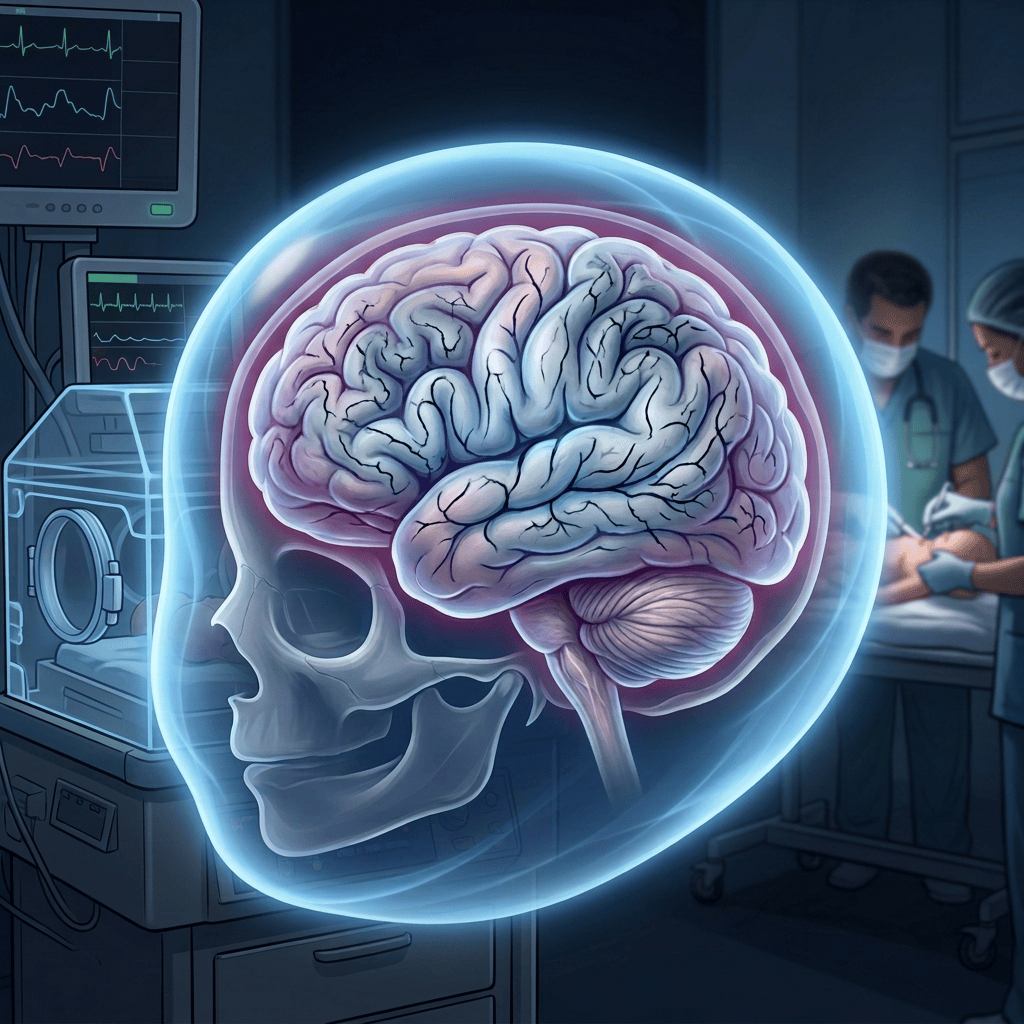
Illustrated side view of the human brain and skull with glowing blue outlines

HIE is a brain injury caused when a baby’s brain is starved of oxygen or blood flow during birth. It is rare, striking about 1 to 1.7 of every 1,000 US births, according to US studies in the American Journal of Obstetrics & Gynecology and Pediatric Neurology. Given its rarity, it is unsurprising, but unfortunate, that no drug is currently approved to treat HIE. The standard treatment protocol is cooling the baby for about 72 hours. Even so, it is reported that 40 – 45 percent of survivors have significant impairment by age two. The hope is that this new medicinal treatment can calm immediate acute injury and prevent lasting damage.

“We now look forward to discussing the development path with the FDA and preparing the IND [Investigational New Drug] application [in the 2027] for a clinical study in HIE, a devastating condition with serious need,” said Neuren CEO Jon Pilcher.

* “The FDA has authority to grant orphan drug designation to a drug or biological product to prevent, diagnose or treat a rare disease or condition. Orphan drug designation qualifies sponsors for incentives including: tax credits for qualified clinical trials, exemption from user fees, potential seven years of market exclusivity after approval.” (fda.gov)

** “Because a sponsor will probably want to ship the investigational drug to clinical investigators in many states, it must seek an exemption from that legal requirement. The IND is the means through which the sponsor technically obtains this exemption from the FDA.” (fda.gov)

Chewing Gum’s Surprising Brain Benefits Come with Caution

In 2026, publications from The Economics Times to National Geographic, have reported on the unexpected benefits of chewing gum. The U.S. government has a long-released study that confirms this.  Nearly 30 years ago, the NIH published a study that found, “[Chewing] increased regional cerebral blood flow in the primary sensorimotor areas by 25-28%, in the supplementary motor areas and insulae by 9-17%, and in the cerebellum and striatum by 8-11%.” (Cerebral blood flow activates the hippocampus, critical for memory, and reduces stress hormones by 16%.) Multiple trials confirm improvements in alertness, sustained attention, and reaction times from chewing gum.

These benefits seem to have been almost forgotten though, as what has been more widely reported in the past decade is the harm that chewing gum causes the body. A study indexed in the NIH database found that chewing commercially available gum can release over 250,000 microplastic particles per hour. Research shows microplastics cross the blood-brain barrier, potentially contributing to oxidative stress and neuroinflammation linked to cognitive decline.

Pertaining to brain injury patients, medical professionals have long known chewing gum may be a boon. The aforementioned statistics note gum’s ability to enhance blood flow and hippocampal stimulation support neural recovery, while stress reduction aids in healing. Gum chewing is used in speech and oral motor rehabilitation therapy, strengthening muscles while stimulating neural pathways, and improving reaction times. Additionally, during these cognitive rehabilitation exercises, gum still retains its ability to reduce stress levels.

To capture benefits while avoiding microplastics and without artificial sweeteners, consider homemade alternatives using natural chicle or beeswax. Many websites offer such recipes, including: Instructables Utopia CookTilYummy. (I do not known the quality or tastiness of these recipes. If you choose to make chewing gum for its cognitive benefits, I recommend using fresh mint as an ingredient because of its own proven cognitive benefits)