
Tax Day Challenge for the Brain Injured

Tax documents, calculator, coffee mug labeled 'TAX SEASON', and April 2026 calendar showing Tax Day on the 15th.

Tax Day is stressful for nearly everyone, but the pressure can be particularly harmful for brain injury survivors. A 2024 study in Archives of Physical Medicine and Rehabilitation found that 70% of adults with acquired brain injury said their injury affected their ability to handle financial tasks, and 58% felt stressed or anxious about finances. Stress is, of course, a known trigger for neurological symptoms.

According to statistics, prior to injury, 82% of TBI survivors were employed, meaning most were taxpayers. Two years post-injury, 60.4% of moderate-to-severe TBI survivors are unemployed, according to a one study available of PubMed. Many of those who remain employed still struggle cognitively with complex tasks. Tax filing is assuredly a complex task, regardless of brain injury statis.

For brain injury survivors who cannot manage the process alone, but cannot afford professional help, the Internal Revenue Service has many free resources to provide assistance (https://www.usa.gov/help-filing-taxes). “The VITA grant program is an IRS initiative designed to support free tax preparation service for the underserved through various partner organizations.” Tax Counseling for the Elderly (TCE), “focuses on questions about pensions and retirement-related issues.” Additionally, the IRS Free File provides guided software and fillable forms, available if your adjusted gross income is $84,000 or less. For military service members, MilTax offers free tax assistance.

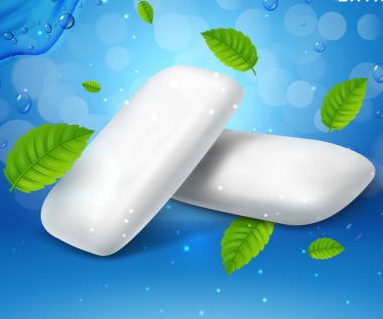
Chewing Gum’s Surprising Brain Benefits Come with Caution

In 2026, publications from The Economics Times to National Geographic, have reported on the unexpected benefits of chewing gum. The U.S. government has a long-released study that confirms this.  Nearly 30 years ago, the NIH published a study that found, “[Chewing] increased regional cerebral blood flow in the primary sensorimotor areas by 25-28%, in the supplementary motor areas and insulae by 9-17%, and in the cerebellum and striatum by 8-11%.” (Cerebral blood flow activates the hippocampus, critical for memory, and reduces stress hormones by 16%.) Multiple trials confirm improvements in alertness, sustained attention, and reaction times from chewing gum.

These benefits seem to have been almost forgotten though, as what has been more widely reported in the past decade is the harm that chewing gum causes the body. A study indexed in the NIH database found that chewing commercially available gum can release over 250,000 microplastic particles per hour. Research shows microplastics cross the blood-brain barrier, potentially contributing to oxidative stress and neuroinflammation linked to cognitive decline.

Pertaining to brain injury patients, medical professionals have long known chewing gum may be a boon. The aforementioned statistics note gum’s ability to enhance blood flow and hippocampal stimulation support neural recovery, while stress reduction aids in healing. Gum chewing is used in speech and oral motor rehabilitation therapy, strengthening muscles while stimulating neural pathways, and improving reaction times. Additionally, during these cognitive rehabilitation exercises, gum still retains its ability to reduce stress levels.

To capture benefits while avoiding microplastics and without artificial sweeteners, consider homemade alternatives using natural chicle or beeswax. Many websites offer such recipes, including: Instructables Utopia CookTilYummy. (I do not known the quality or tastiness of these recipes. If you choose to make chewing gum for its cognitive benefits, I recommend using fresh mint as an ingredient because of its own proven cognitive benefits)