Christa Pike Survived Her Execution. Did Her Mind?

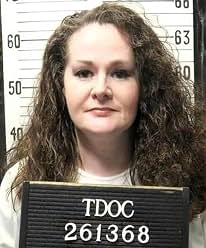
Tennessee tried to execute Christa Gail Pike via lethal injection on September 30. The convicted killer was unsuccessfully given two doses of pentobarbital. (According to the NLM database, pentobarbital is a barbiturate that primarily acts on the central nervous system. It is approved by the FDA for managing seizures, status epilepticus, and short-term treatment of insomnia. In higher doses, it is an anticonvulsant for emergent seizure control and for inducing medically induced comas.)  Currently, Pike is unconscious and on a ventilator. She has burned and blistered arms, suggesting the drug leaked into tissue instead of her veins. A brain injury is likely but has not been confirmed.

Nearly all execution methods kill by depriving the brain of oxygen. Pentobarbital suppresses breathing. Nitrogen removes oxygen directly. Beyond pharmaceutical means, electrocution can burn the brainstem, and hanging and firing squads cut off blood flow. However, a method may not fully work, as a person can survive a stretch of low oxygen, resulting in hypoxic brain injury.oxygen
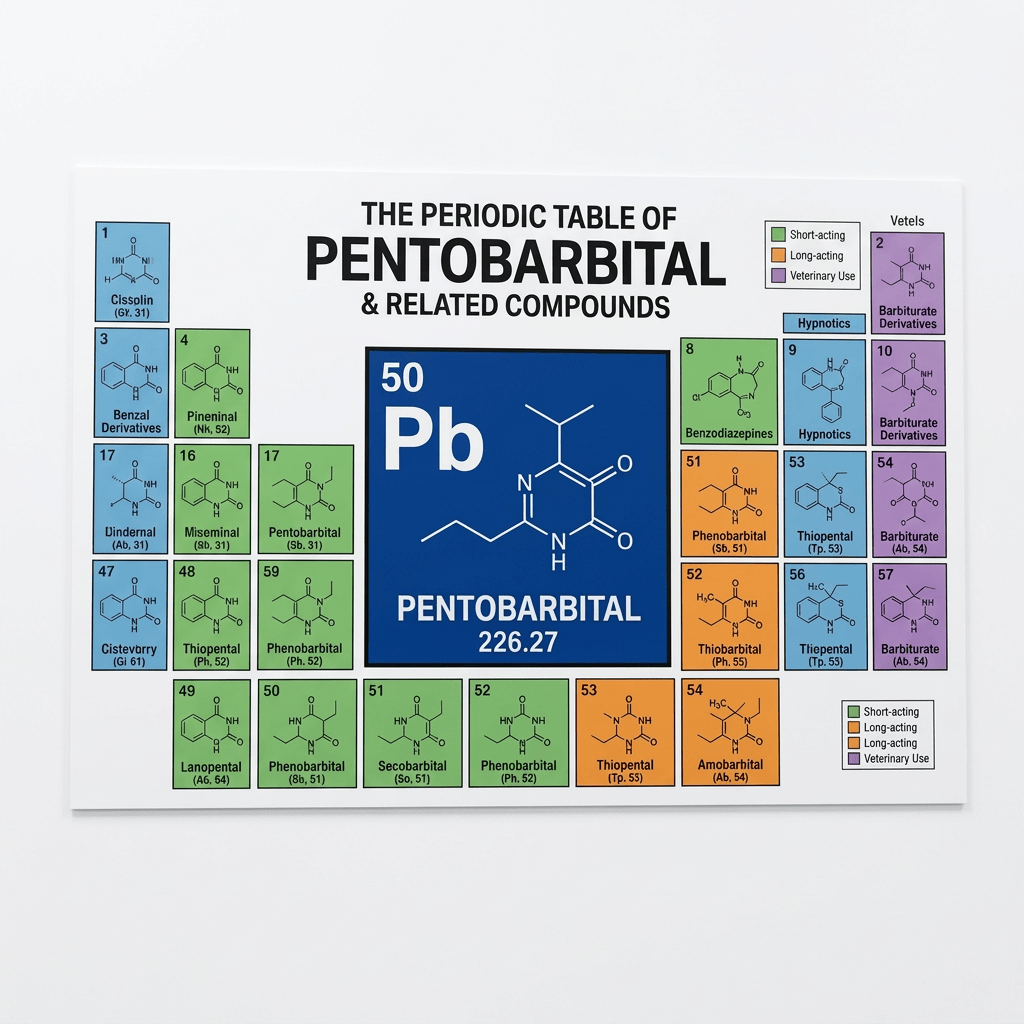
Periodic table featuring pentobarbital only

Earlier survivors of pharmaceutical execution, including Romell Broom and Kenneth Smith, lived because staff never got an IV line working. Pike is the first person known to survive after the drugs were given.

In a broader sense, recreational drug overdose often involves medications used in the medical field, but at a much smaller dose. Typically, emergency services often come quickly. Reportedly, it took more than an hour for Pike to receive emergency treatment. According to prison protocol, inmates who survive or experience acute medical distress during the process are legally required to be transferred to an off-site medical facility for life-saving care.

Her recovery depends on how long her brain was deprived of oxygen, which is unknown. The law generally allows a second attempt. But if she can no longer understand why she is being executed, Supreme Court rulings forbid it. Gov. Bill Lee has paused executions in Tennessee pending an independent review.

As of now, no decision on whether or not to retry the case appears to have been made.
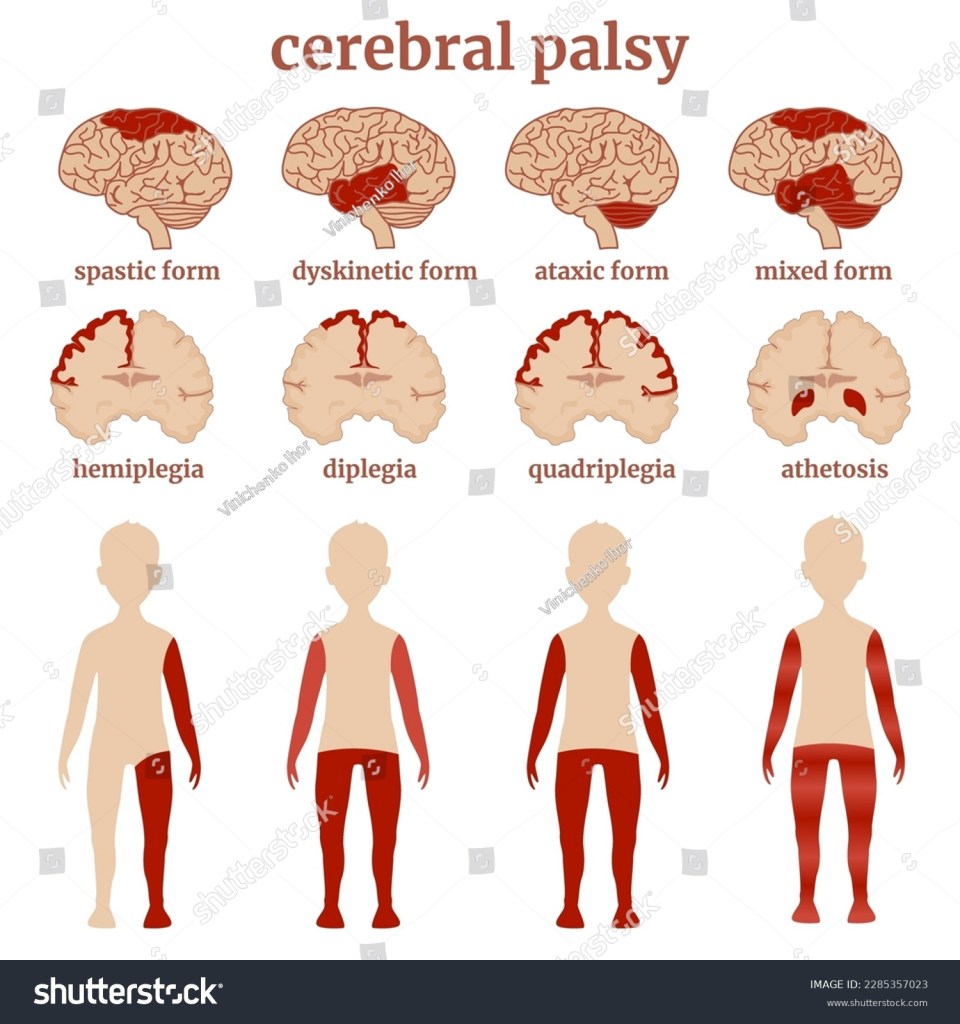
Cerebral Palsy: When a Damaged Brain Leaves a Lasting Mark

The brain injury comes first. Cerebral palsy follows. That distinction matters enormously, as CP is not itself a wound, but rather the permanent shadow one leaves behind.

The NIH’s National Institute of Neurological Disorders and Stroke guidance, reviewed as recently as March 13, 2026, describes CP as a disorder “caused by changes in the developing brain that disrupt its ability to control movement and maintain posture and balance.” The damage happens; CP is an outcome that the victim must live with in the future.

For most, the injury strikes before they ever draw a first breath. Oxygen deprivation during delivery, bleeding in the brain, or destruction of the delicate white matter surrounding a premature infant’s ventricles collectively account for roughly 80–90% of all cases. The CDC, in a February 2026 update, puts the scale in stark terms: about 1 in every 345 American children has CP, making it the most common childhood motor disability in the country.

Some cases, however, emerge after birth. Meningitis, near-drowning, and traumatic brain injury can all trigger CP, but only during the critical window when the brain is still forming, generally before age five. Once the skull has fully matured, the same injuries are referred to as traumatic brain injuries or acquired brain injuries.

To remedy what many see as the government’s chronic underfunding for CP, Tennessee Rep. Steve Cohen introduced H.R. 2178, Cerebral Palsy Research Program Authorization Act of 2025, on March 18, 2025. As he stated, “Cerebral palsy… is the most prevalent disability that has no designated federal funding for research.” After introduction, the bill was referred to the House Committee on Energy and Commerce. (No further action within the last Congressional session is reported.)

MO Brings Oxygen into TBI Recovery

Missouri has demonstrated remarkable commitment to our veterans with the ratification of SB 664 on July 14, 2025.  The “Veterans Traumatic Brain Injury Treatment and Recovery Act,” was passed with overwhelming support of 33-0 in the Senate and 156-1 in the House. Governor Mike Kehoe signed this groundbreaking legislation on Monday, establishing a fund to reimburse Hyperbaric Oxygen Therapy (HBOT) facilities treating veterans with TBI or PTSD, recognizing the treatment’s potential to combat veteran suicide and opioid addiction. The initiative represents a projected investment exceeding $5 million annually, underscoring the state’s confidence in this therapeutic approach.

HBOT works by delivering 100% oxygen in pressurized chambers at 1.4-3 times normal atmospheric pressure, dramatically increasing oxygen delivery to damaged brain tissues. Advocates report that this treatment “stimulates brain wound healing and can reverse soft tissue and neurocognitive damage” without requiring invasive surgery or pharmaceutical interventions. Patients can “experience recovery of cognitive and neurological functioning” through this non-invasive approach.

Clinical research has yielded encouraging results across multiple studies. For moderate-to-severe TBI cases, several high-quality studies demonstrated statistically significant improvements in consciousness recovery compared to standard care alone. Research has consistently shown better Glasgow Outcome Scale scores and reduced mortality rates in HBOT treatment groups. A comprehensive 2016 review highlighted that “most successes occurred within hours after TBI,” emphasizing the importance of early intervention. Particularly compelling evidence comes from pediatric research, where a study of 56 children with severe TBI found that HBOT “significantly improved quality of life and reduced complications” compared to control groups. Additional research involving 56 patients showed “significant improvement in symptoms and increased brain activity” measurable through SPECT (Single Photon Emission Computed Tomography) brain imaging.

The treatment maintains a generally acceptable safety profile, with most side effects being minor and temporary, including ear discomfort, headaches, and fatigue. Serious adverse events remain rare when HBOT is properly administered. This positive safety record, combined with growing clinical evidence and strong legislative support, has led some VA facilities to begin offering HBOT treatment to veterans, representing an important step toward broader acceptance of this promising therapeutic intervention.