The Fungus in the Dust That Can Reach Your Brain

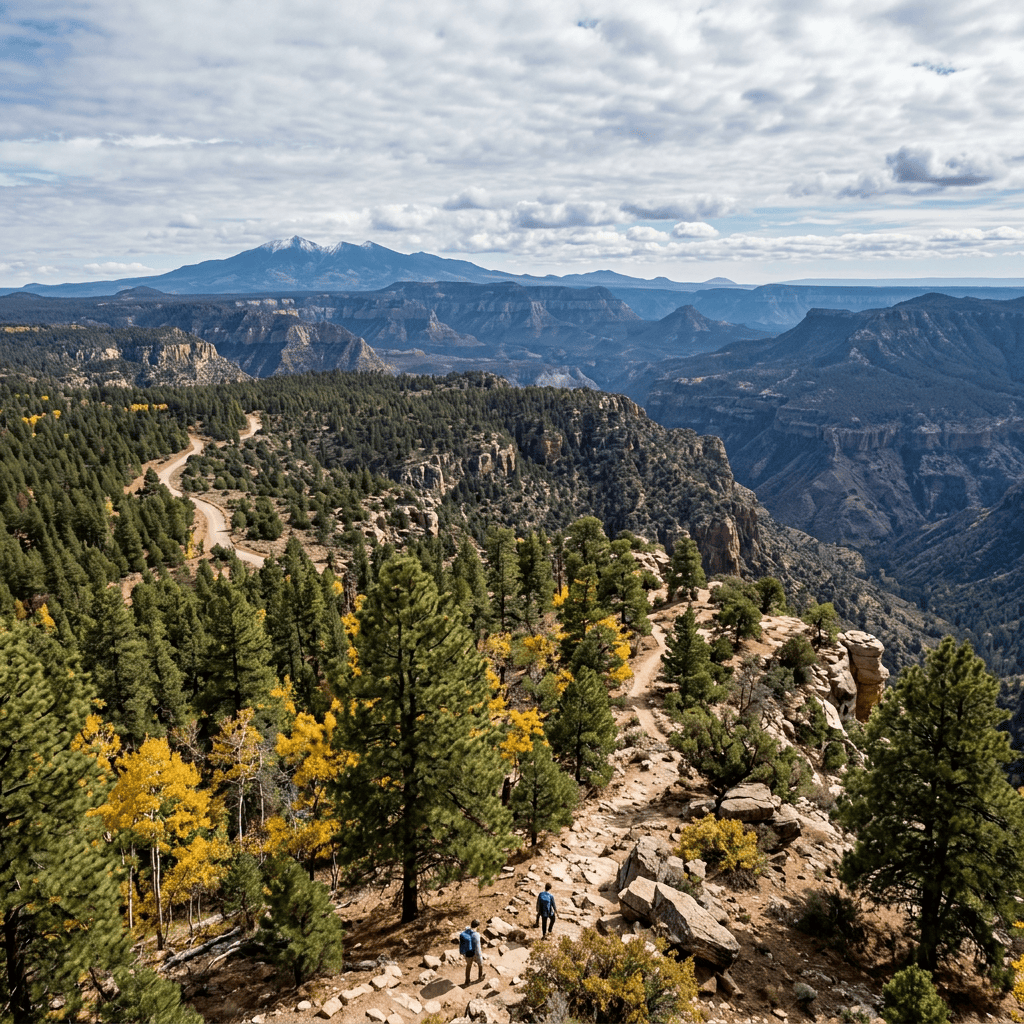
Two hikers on a rocky trail overlooking forested canyons and distant mountains

A fungus hiding in Western dirt is sickening Americans at record pace, various publications reported in the past few months. A 2026 CDC study found that, in Arizona’s cooler northern plateaus, infections now run 6.6 times higher than in 2005–2007. In a study published in June 2025, available in the PubMed database, “a nationwide* total of 273,000 incident symptomatic coccidioidomycosis cases were estimated in 2019.” California recorded nearly 12,500 Valley fever cases in 2024, which reportedly is its highest ever. Federal modelers estimate up to 360,000 Americans get sick each year from fungus.

While infections typically affect the lungs, when spores reach the brain, they cause meningitis. As described by the CDC, meningitis is inflammation of the lining of the brain and spinal cord. Among patients hospitalized for Valley fever, 63.6% needed procedures like brain shunts. In one study, half developed hydrocephalus, a buildup of brain fluid, and 39% suffered strokes.
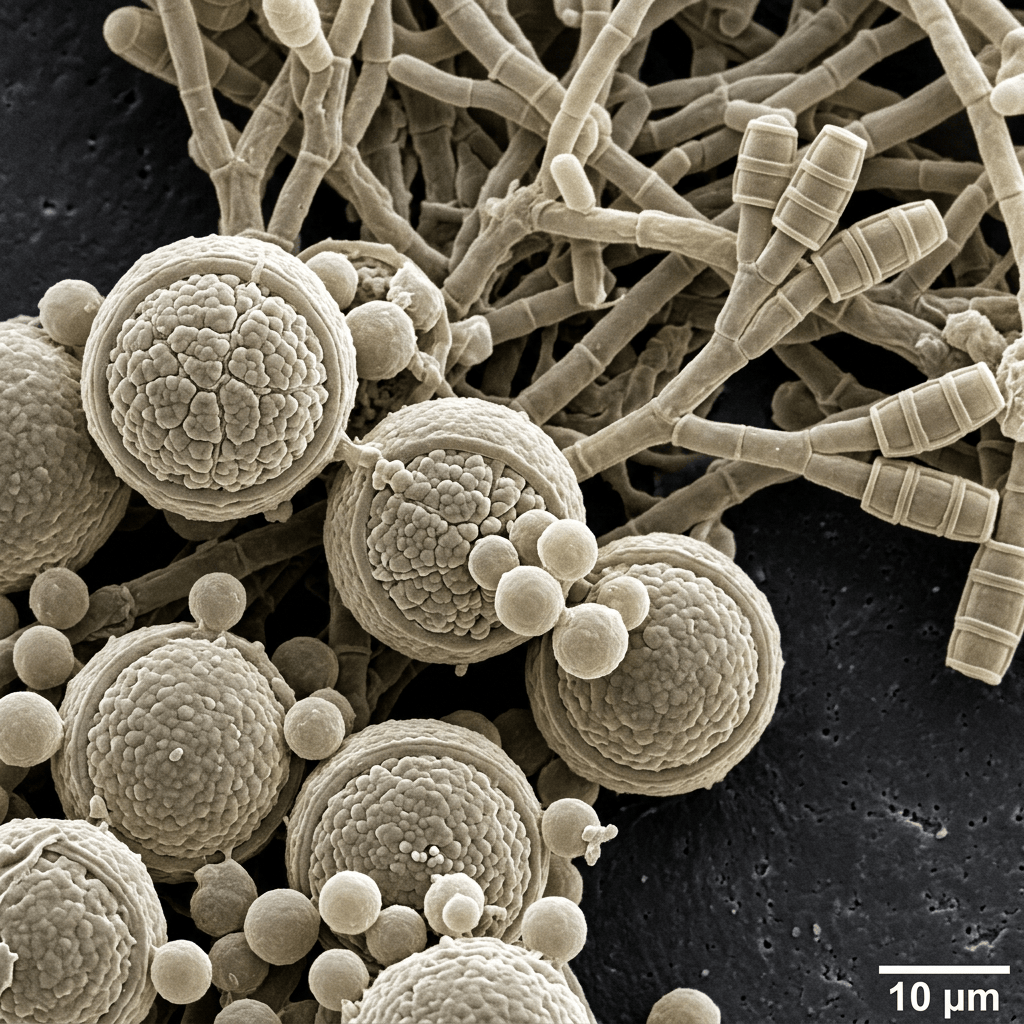
Scanning electron micrograph of fungal spores and branching hyphae, with 10 µm scale bar

“Too many patients are misdiagnosed and left without answers while their condition worsens,” said Congressman Vince Fong (CA) in September 2026. As always, the most important step is to protect yourself, so this misdiagnosis cannot occur. Protect yourself. While avoidance of dusty areas is optimal, it is not always possible. The Occupational Safety and Health Administration, along with the CDC and various state governments, recommend wearing an N95 mask when in dusty outdoor environments, and when digging is involved. Ideally, stay fully indoors during dust storms. Also, be cautious about domestic or international travel: in 2023, a fungal meningitis outbreak tied to Mexican cosmetic-surgery clinics killed 12 of 24 US patients. See a doctor about any cough or headache that lingers.

*The number of Valley fever incidents are not recorded in every state, but of those who do, California, Arizona and the rest of the Southwest seem to have the greatest number of cases.
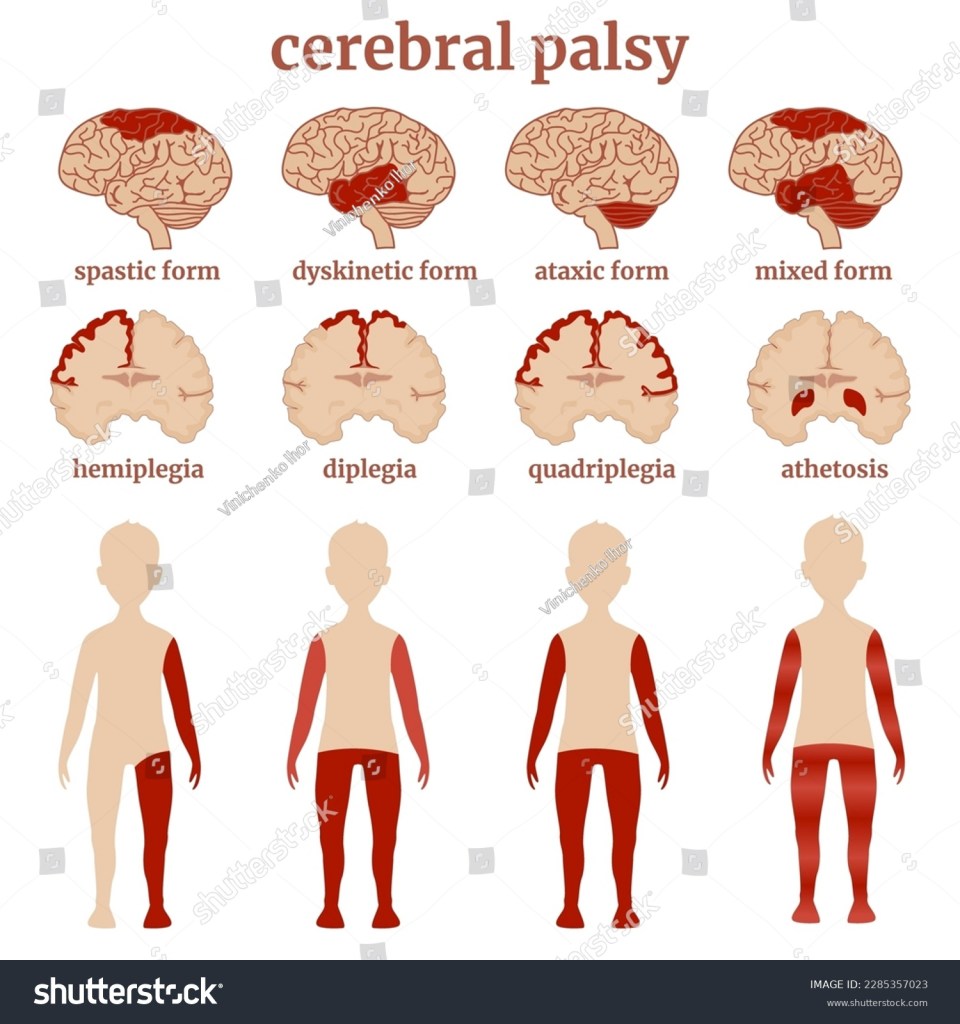

Cerebral Palsy: When a Damaged Brain Leaves a Lasting Mark

The brain injury comes first. Cerebral palsy follows. That distinction matters enormously, as CP is not itself a wound, but rather the permanent shadow one leaves behind.

The NIH’s National Institute of Neurological Disorders and Stroke guidance, reviewed as recently as March 13, 2026, describes CP as a disorder “caused by changes in the developing brain that disrupt its ability to control movement and maintain posture and balance.” The damage happens; CP is an outcome that the victim must live with in the future.

For most, the injury strikes before they ever draw a first breath. Oxygen deprivation during delivery, bleeding in the brain, or destruction of the delicate white matter surrounding a premature infant’s ventricles collectively account for roughly 80–90% of all cases. The CDC, in a February 2026 update, puts the scale in stark terms: about 1 in every 345 American children has CP, making it the most common childhood motor disability in the country.

Some cases, however, emerge after birth. Meningitis, near-drowning, and traumatic brain injury can all trigger CP, but only during the critical window when the brain is still forming, generally before age five. Once the skull has fully matured, the same injuries are referred to as traumatic brain injuries or acquired brain injuries.

To remedy what many see as the government’s chronic underfunding for CP, Tennessee Rep. Steve Cohen introduced H.R. 2178, Cerebral Palsy Research Program Authorization Act of 2025, on March 18, 2025. As he stated, “Cerebral palsy… is the most prevalent disability that has no designated federal funding for research.” After introduction, the bill was referred to the House Committee on Energy and Commerce. (No further action within the last Congressional session is reported.)