On September 11, 2021, Sarah Panter delivered a daughter at Blanchfield Army Community Hospital at Fort Campbell, on the border of Kentucky and Tennessee. She was then given Pitocin, a synthetic medication version of oxytocin used to induce pregnancy. Monitors signaled fetal distress, a noted effect of the drug, and Panter’s attorneys say a C-section should then have been offered, to prevent the infant from injury. Instead, hours later, a midwife delivered the baby, who initially didn’t breathe.
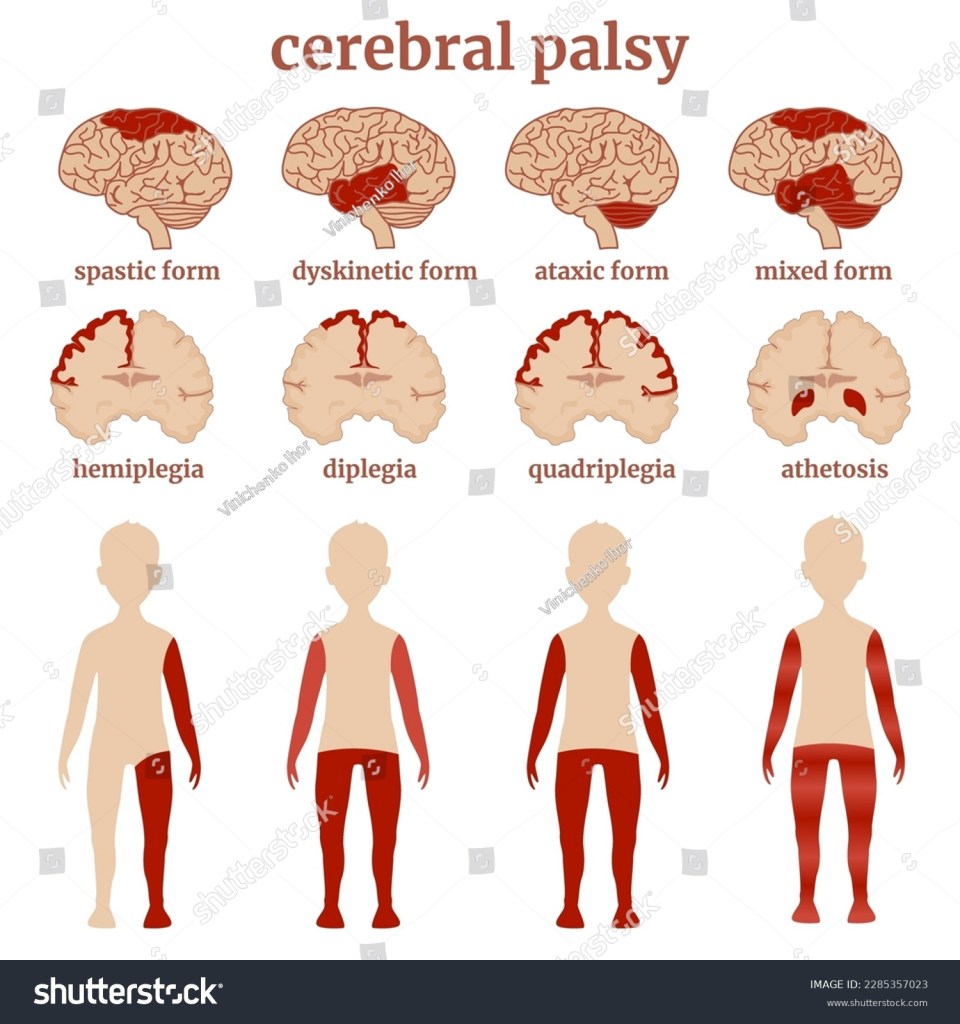
Panther’s daughter now lives with hypoxic-ischemic encephalopathy, brain damage that occurs when a newborn’s brain does not get enough oxygen or blood flow before, during, or right after birth. Additionally, the child lives with cerebral palsy, epilepsy and cortical blindness, known consequences of brain injury. She also cannot walk or sit unaided, uses a feeding tube, and needs round-the-clock nursing for life.
While birth injury is known to “only” be about 2% for normal vaginal delivery and 1% for cesarean delivery, statistics in the United States report that that birth injury occurs in about 25.3 to 31.1 cases per 1000 hospital births. Because the head is typically the first part to enter the birth canal, it is also the most vulnerable and, therefore, common birth injury, as recognized by various studies available in the NLM database.
In September 2026, the Justice Department agreed to an $11 million settlement funding a lifetime-care trust. While the government settled mid-trial, prior to the judge’s ruling, it has not formally accepted responsibility.