Mitch McConnell: Falls, “Freezes,” and the Brain

Sen. Mitch McConnell (R-KY) returned to the Capitol on September 14, casting his first vote since June to advance the nomination of Matthew Byrne as a U.S. district judge for the Southern District of Ohio. “Time to get back to work, finish the job of this Congress,” he told reporters.
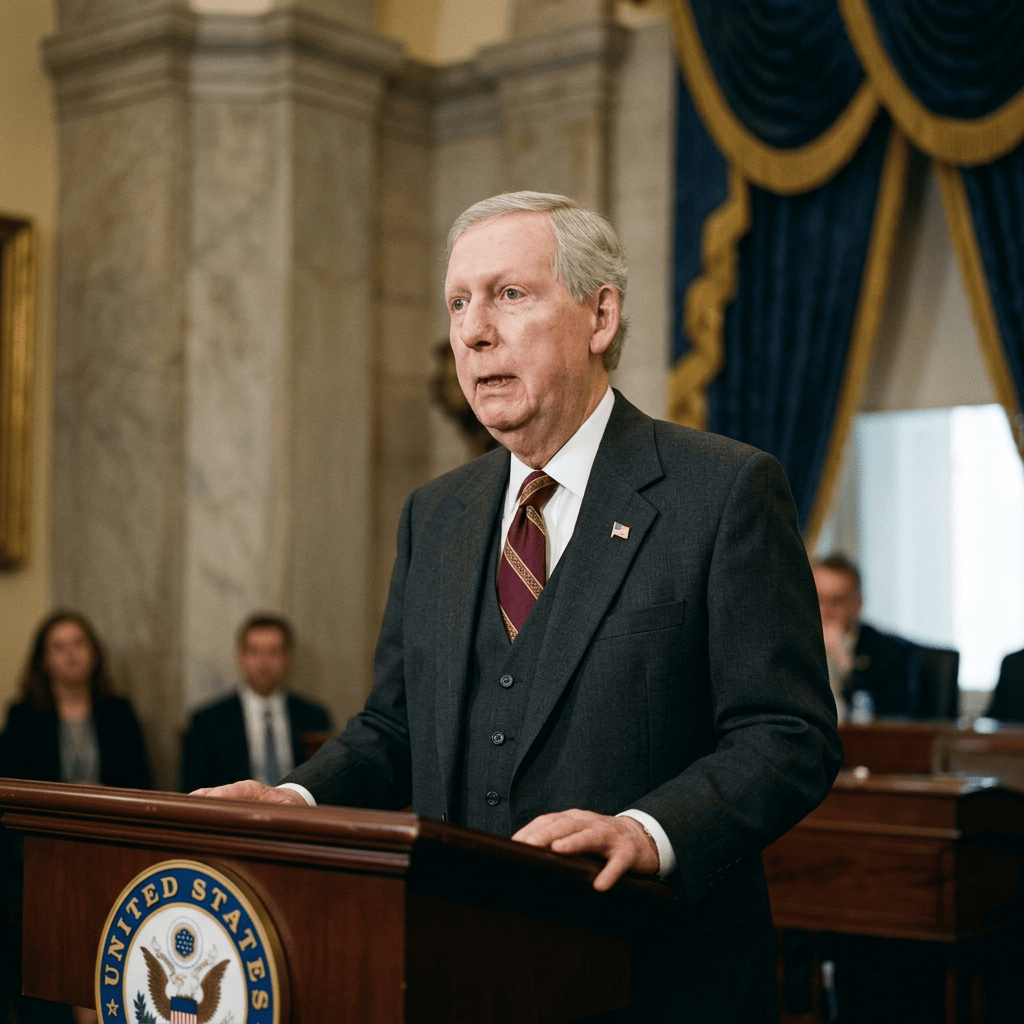
Gray-haired senator speaking at a podium bearing the United States seal

McConnell has a history of injury and unusual behavior, including repeated falls, like that in 2023 that resulted in a concussion and rib fracture, and several public “freezing” episodes. The June incident, which left him briefly unconscious, has renewed questions about his fitness for office and the brain health of aging leaders, in general. However, his July statement noted that doctors found no concussion, stroke, or hemorrhage from the fall in June.

The Senator’s office attributes his prolonged recovery partly to “the lingering effects of childhood polio.” NLM-published studies, available to view in the PubMed database, reports that polioencephalitis, a rare medical condition of brain inflammation, was found in every examined case of polio, even those without evidence of damage to spinal motor neurons. Studies have also found that PPS, post-polio syndrome, which can have such effects as progressive weakness and fatigue, can occur decades after the infection.
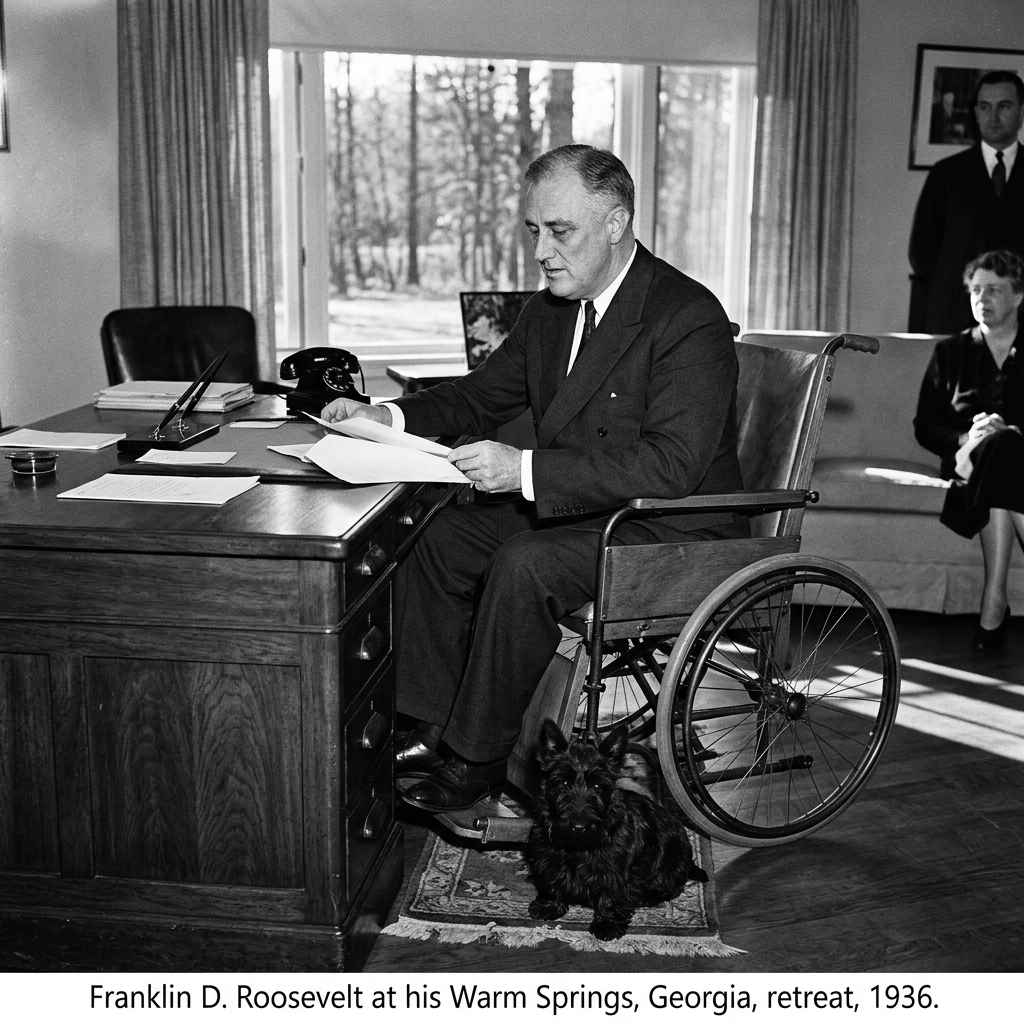
Franklin D. Roosevelt at his Warm Springs, Georgia, retreat, 1936.

A good example of how polio does not necessarily affect one’s mental capabilities is President Franklin D. Roosevelt – polio may have left him in a wheelchair, but he is still considered one of America’s greatest presidents. Fortunately, polio has been considered eradicated in the United States, and North America and South America, since 1979.  

However, the concerns about McConnell’s falls extend beyond politics. According to the CDC, falls are the leading cause of traumatic brain injury among adults 65 and older, with those 75 and up facing the highest hospitalization rates. As lawmakers increasingly serve into their eighties, including McConnell and 5 other senators – who are affiliated with both the Democrat and Republican Caucuses – physicians and voters alike are weighing how aging affects cognition, resilience, and public service.
Spring Forward, Fall Down: Neurological Effect of Time Change

Every March, we lose an hour of sleep, or we gain an hour of sunlight, depending on your perspective. For TBI survivors, this forced clock shift has medically been proven to be particularly cruel. Up to 70% of survivors already struggle with disrupted sleep and circadian rhythms. Unfortunately, that is the same biological clock that drives the neural repair process itself.

The twist, though, is that the extra daylight we are about to gain can actually help injured brains heal. Powered by sunlight, studies have shown that Vitamin D is typically low in brain injury patients, particularly at rehab admission, and deficiency is linked to worse survival. While adding a Vitamin D supplement into your daily pill regiment is good, natural Vitamin D absorption is always best.   

While it may seem a biannual norm, it wasn’t until March 19, 1918 that time became a legislative concern in the United States. President Woodrow Wilson signed the Standard Time Act of 1918, also known as the Calder Act, “to save daylight and to provide standard time, for the United States.”. (On January 20, 1942, President Roosevelt established War Time, which halted the time shift from 1942 – 1945.)

More recently, opposition to time change has increased and a large minority of Americans say that they do not want to keep switching their clocks. In Congress, S.29, Sunshine Protection Act of 2025, sponsored by current Secretary of State, former Florida Senator, Marco Rubio and Rep. Vern Buchanan (FL) would have made Daylight Savings Time permanent. This Congressional year, Rep. Greg Steube (FL) introduced H.R. 7378, Daylight Act of 2026, that would permanently move U.S. clocks forward by 30 minutes and eliminate the biannual time change. As of March 4, 2026, this Act is in the House.

*British Columbia will permanently adopt year-round daylight saving time in 2026, with the final “spring forward” occurring on Sunday, March 8, 2026. It may be useful to observe how this change, or lack there of, functions in another country that has same time zones before passing legislation.

Give Your Brain a Gift: Benefit of Creative Activities in Brain Injury Recovery and Beyond

Creative hobbies strengthen brain health in everyone, but they hold particular promise for those recovering from brain injury. Activities like painting, dancing, music, creative writing, pottery, and even certain video games engage multiple brain regions, enhancing memory, coordination, and emotional well-being.

A 2025 study published in Nature Communications, and found in the NIH dababase, examined brain data from over 1,400 participants across 13 countries and found that creative activities can slow brain aging and promote healthier brain function. Lead researcher Dr. Carlos Coronel noted that “these creative experiences help protect brain connections that are vulnerable to accelerated aging.”

Related to brain injury survivors specifically, creative arts therapies show measurable benefits. As President Franklin D. Roosevelt, who suffered significant neurological issues and found solace in creative hobbies during his recovery from polio, declared: “I owe my life to my hobbies.” 2025 research reports in the Archives of Physical Medicine and Rehabilitation, in the NLM database, note that there is increasing use of creative arts therapy for addressing traumatic brain injury, from intensive care units to home health. Studies demonstrate positive impacts on daily living activities, motor function, and emotional well-being. In fact, the neurological changes following brain injury may actually enhance artistic capabilities through increased neural plasticity and synapse formation.

Crucially, these benefits extend beyond formal rehabilitation. Continuing creative pursuits long-term helps maintain neural connections in everyone, making it essential for survivors to keep practicing their creative hobbies. The holiday season offers perfect opportunities – crafting decorations, creating handmade gifts, baking festive treats, and arranging seasonal displays all provide therapeutic engagement.