Guarding the Farmer’s Brain: 80+ Years of Farm Safety Week

When most people picture a farm, they imagine open fields and fresh air. However, farming is one of the most dangerous workplaces in America. “According to the Bureau of Labor Statistics, 1 in 10 farmers will overturn a tractor in his or her lifetime,” said Senator Chuck Grassley (IO), member of the Senate Committee on Agriculture, Nutrition & Forestry, in 2024.

A study in the Journal of Agricultural Safety and Health found intracranial injuries were the third-leading cause of death among fatally injured U.S. farmers (16.1%), while research in the International Journal of Environmental Research and Public Health reported that head, face, and neck injuries make up 16% of agricultural workers’ compensation claims.

In 1944, President Franklin D. Roosevelt signed the first proclamation to acknowledge the 3rd week of September as National Farm Safety and Health Week. Every president since has renewed it. Since 1997, the National Education Center for Agricultural Safety (NECAS), partnered with the AgriSafe Network, has led the efforts to provide critical health, rescue training, and safety education during this week.

This year’s week, September 21–25, 2026, carries the theme “Safety Today, Success Tomorrow.”
Mitch McConnell: Falls, “Freezes,” and the Brain

Sen. Mitch McConnell (R-KY) returned to the Capitol on September 14, casting his first vote since June to advance the nomination of Matthew Byrne as a U.S. district judge for the Southern District of Ohio. “Time to get back to work, finish the job of this Congress,” he told reporters.

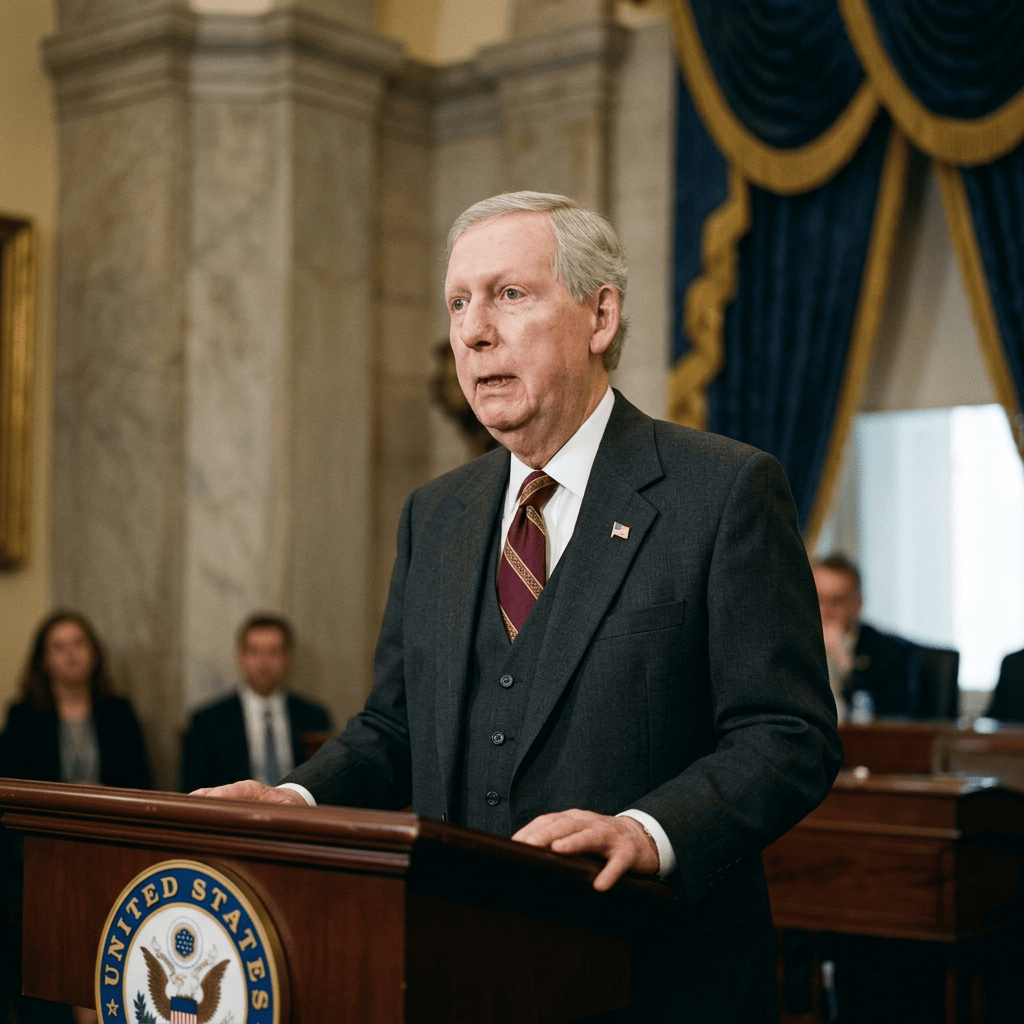
Gray-haired senator speaking at a podium bearing the United States seal

McConnell has a history of injury and unusual behavior, including repeated falls, like that in 2023 that resulted in a concussion and rib fracture, and several public “freezing” episodes. The June incident, which left him briefly unconscious, has renewed questions about his fitness for office and the brain health of aging leaders, in general. However, his July statement noted that doctors found no concussion, stroke, or hemorrhage from the fall in June.

The Senator’s office attributes his prolonged recovery partly to “the lingering effects of childhood polio.” NLM-published studies, available to view in the PubMed database, reports that polioencephalitis, a rare medical condition of brain inflammation, was found in every examined case of polio, even those without evidence of damage to spinal motor neurons. Studies have also found that PPS, post-polio syndrome, which can have such effects as progressive weakness and fatigue, can occur decades after the infection.

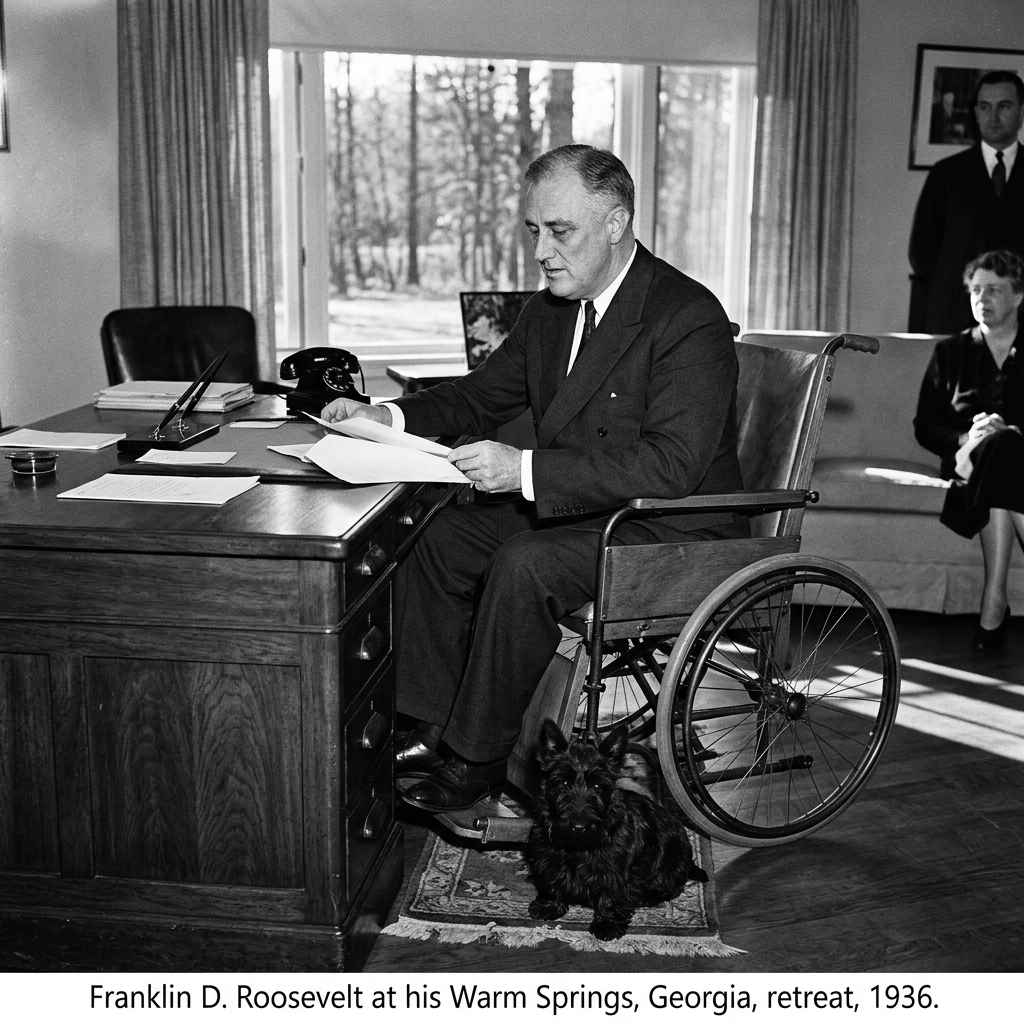
Franklin D. Roosevelt at his Warm Springs, Georgia, retreat, 1936.

A good example of how polio does not necessarily affect one’s mental capabilities is President Franklin D. Roosevelt – polio may have left him in a wheelchair, but he is still considered one of America’s greatest presidents. Fortunately, polio has been considered eradicated in the United States, and North America and South America, since 1979.  

However, the concerns about McConnell’s falls extend beyond politics. According to the CDC, falls are the leading cause of traumatic brain injury among adults 65 and older, with those 75 and up facing the highest hospitalization rates. As lawmakers increasingly serve into their eighties, including McConnell and 5 other senators – who are affiliated with both the Democrat and Republican Caucuses – physicians and voters alike are weighing how aging affects cognition, resilience, and public service.