Sen. Mitch McConnell (R-KY) returned to the Capitol on September 14, casting his first vote since June to advance the nomination of Matthew Byrne as a U.S. district judge for the Southern District of Ohio. “Time to get back to work, finish the job of this Congress,” he told reporters.
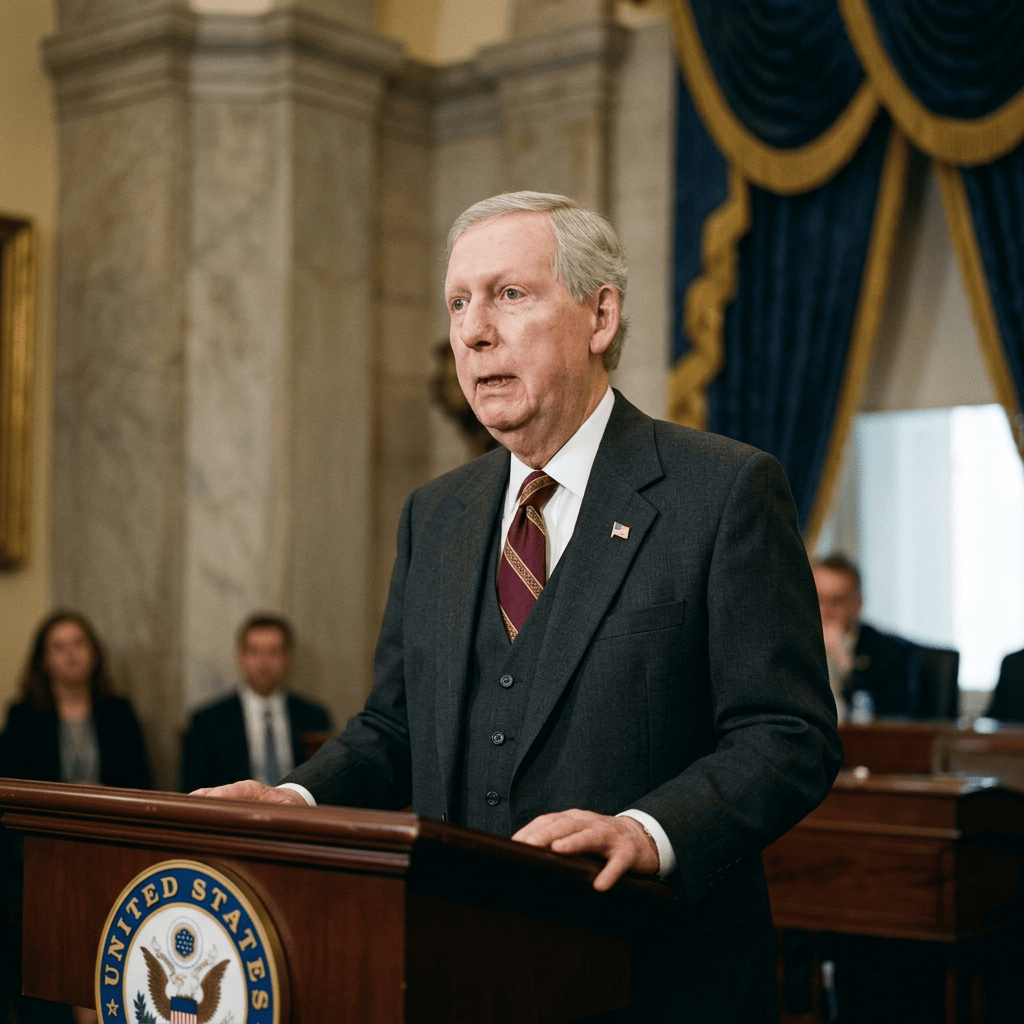
McConnell has a history of injury and unusual behavior, including repeated falls, like that in 2023 that resulted in a concussion and rib fracture, and several public “freezing” episodes. The June incident, which left him briefly unconscious, has renewed questions about his fitness for office and the brain health of aging leaders, in general. However, his July statement noted that doctors found no concussion, stroke, or hemorrhage from the fall in June.
The Senator’s office attributes his prolonged recovery partly to “the lingering effects of childhood polio.” NLM-published studies, available to view in the PubMed database, reports that polioencephalitis, a rare medical condition of brain inflammation, was found in every examined case of polio, even those without evidence of damage to spinal motor neurons. Studies have also found that PPS, post-polio syndrome, which can have such effects as progressive weakness and fatigue, can occur decades after the infection.
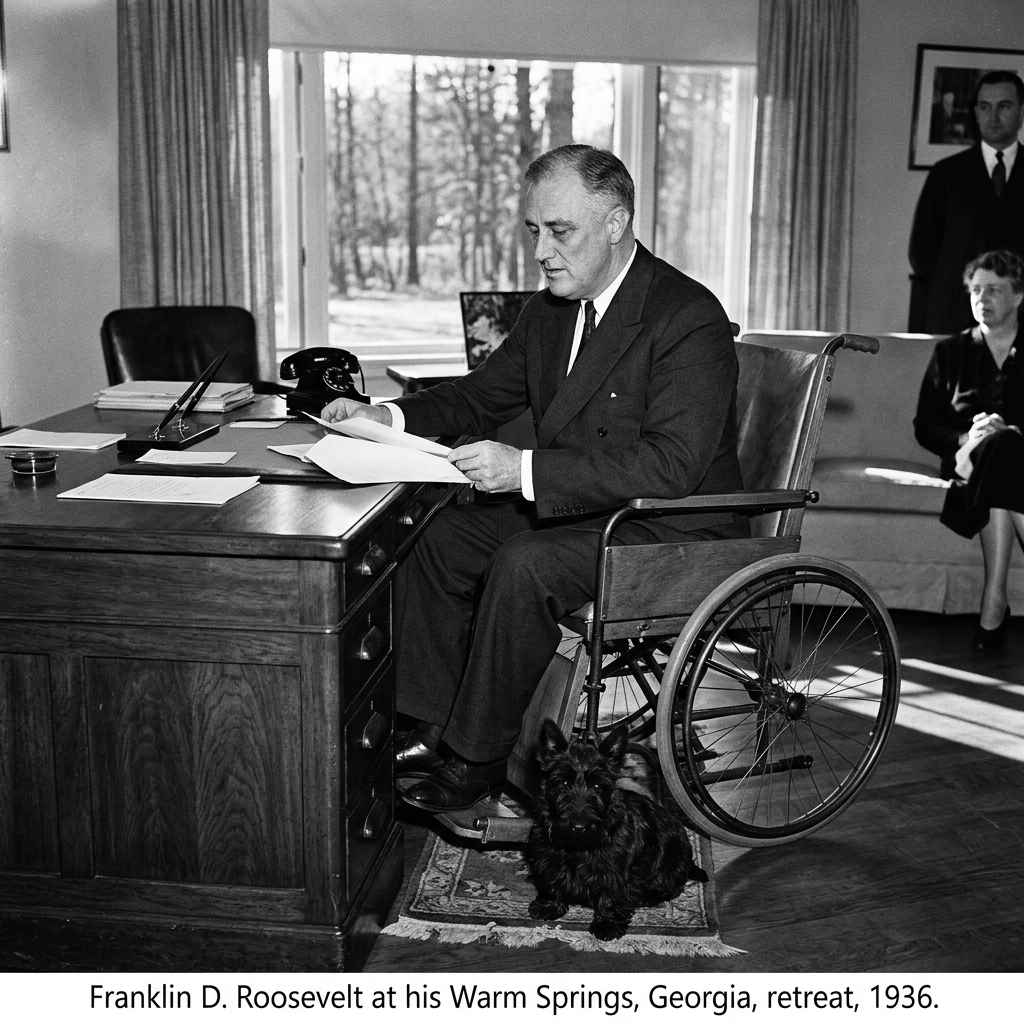
A good example of how polio does not necessarily affect one’s mental capabilities is President Franklin D. Roosevelt – polio may have left him in a wheelchair, but he is still considered one of America’s greatest presidents. Fortunately, polio has been considered eradicated in the United States, and North America and South America, since 1979.
However, the concerns about McConnell’s falls extend beyond politics. According to the CDC, falls are the leading cause of traumatic brain injury among adults 65 and older, with those 75 and up facing the highest hospitalization rates. As lawmakers increasingly serve into their eighties, including McConnell and 5 other senators – who are affiliated with both the Democrat and Republican Caucuses – physicians and voters alike are weighing how aging affects cognition, resilience, and public service.