NYT Reports “At Least 1 in 4 N.F.L. Players Gets Brain Disease”

A New York Times article published yesterday, August 25, 2026, focuses on a study published this week in BMJ: at least one in four former N.F.L. players who died between 2016 and 2021 had chronic traumatic encephalopathy. While The Times’ headline, Study’s Alarming Finding: At Least 1 in 4 N.F.L. Players Gets Brain Disease, captures the reader, it and the study itself omit an even grimmer finding: it appears that only about approximately a quarter of the 878 players who died had their brains examined. The real risk for CTE could be almost one hundred percent.

Worn navy football helmet with number 24 on a wooden bench

CTE comes from the cumulative force of repeated head impacts. (No tackle football position is safe, but low-contact positions like punters and kickers are the safest, while linemen absorb thousands of blows.) Roughly 60% of the players found with CTE had dementia and severe impairment, including an inability to feed or groom themselves.

This isn’t a call to ban tackle football. But public universities, however lucrative their football programs may be, are taxpayer-supported government institutions. Perhaps lawmakers should at least weigh the benefits and drawbacks of the sport on college campuses before federal funds are provided.

A Dangerous TBI Two-Way Street

A traumatic brain injury doesn’t just raise your risk of later neurological disorders; preexisting neurological disorders may raise the risk of brain injury, concludes a recent 2026 study from the San Francisco Veterans Affairs Health Care System.

Diagram showing circular relationship between brain injury and epilepsy with arrows indicating feedback loop and mutual exacerbation of seizures and brain damage

Published June 17, 2026. in the journal Neurology, the Department of Defense-supported study tracked more than 55,000 older veterans. Scientists found that traumatic brain injury was tied to higher rates of stroke, dementia, epilepsy, and Parkinson’s disease both before and after the injury. “Our findings raise the possibility that… [pre-existing brain diseases] are themselves risk factors for TBI in older people,” said study author Carrie Peltz, PhD, of the San Francisco Veterans Affairs Health Care System.

In the year before a TBI, older veterans were about three times more likely to have been diagnosed with stroke, dementia, or Parkinson’s and more than four times more likely to have epilepsy. After a TBI, they were roughly twice as likely to have a stroke or epilepsy. This results greatly build on an Oxford Academic, PubMed-accessible, 2025 study that found, “Among those with TBI, patients with pre-injury dementia had particularly high chronic mortality.” While causality has not firmly been medically defined, the study’s results are clear.

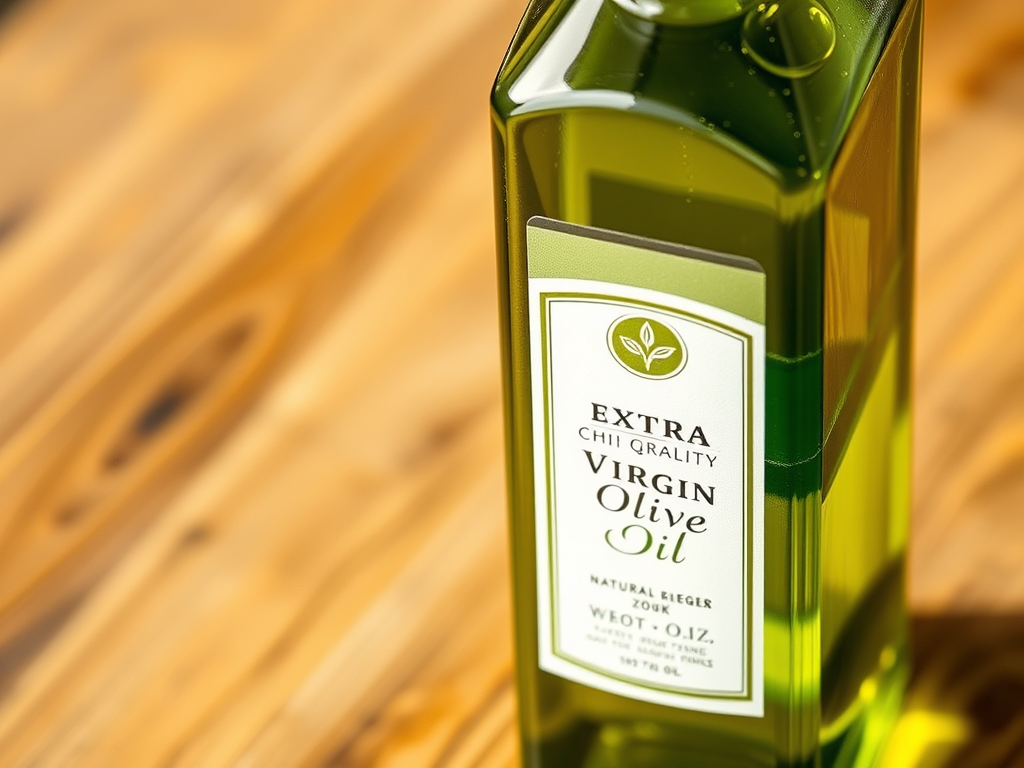
Liquid Gold for Your Brain: Extra Virgin Olive Oil

Your pantry might hold one of the most powerful brain-protective foods on the planet. Research now links extra virgin olive oil (EVOO), long recognized as a boon to heart health, to a sharply lower risk of dementia, faster brain injury recovery, and protection against the toxic plaques that drive Alzheimer’s disease.

The National Institute on Aging states, “Consuming olive oil is associated with lowering the risk of dementia-related death.” This association was found to be true “regardless of overall diet quality”. These findings were compelling enough that the 2025–2030 U.S. Dietary Guidelines, issued by USDA and HHS, placed olive oil at the center of the new federal nutrition framework.

The 2026 PREDIMED-Plus study, which focused on the benefits of the Mediterranean diet for reducing the risk of type 2 diabetes, revealed that EVOO works through the gut-brain axis, with participants showing improved memory and cognitive function alongside greater microbiota diversity. Animal studies from 2025 showed that oleocanthal, a polyphenol unique to high-quality EVOO, reduced brain infarct size and sped recovery after traumatic brain injury.

The key is EVOO’s polyphenols, specifically oleocanthal, oleuropein, and hydroxytyrosol, which cross the blood-brain barrier, clear amyloid plaques, and calm neuroinflammation. Only cold-pressed extra virgin oil retains these compounds at therapeutic levels, so quality matters. Refined olive oil could not replicate these results.

Ready to cook for your brain? Try combining EVOO with other ingredients known to promote brain health, such as salmon, or another staple of the Mediterranean diet, mint.