A Dangerous TBI Two-Way Street

A traumatic brain injury doesn’t just raise your risk of later neurological disorders; preexisting neurological disorders may raise the risk of brain injury, concludes a recent 2026 study from the San Francisco Veterans Affairs Health Care System.

Diagram showing circular relationship between brain injury and epilepsy with arrows indicating feedback loop and mutual exacerbation of seizures and brain damage

Published June 17, 2026. in the journal Neurology, the Department of Defense-supported study tracked more than 55,000 older veterans. Scientists found that traumatic brain injury was tied to higher rates of stroke, dementia, epilepsy, and Parkinson’s disease both before and after the injury. “Our findings raise the possibility that… [pre-existing brain diseases] are themselves risk factors for TBI in older people,” said study author Carrie Peltz, PhD, of the San Francisco Veterans Affairs Health Care System.

In the year before a TBI, older veterans were about three times more likely to have been diagnosed with stroke, dementia, or Parkinson’s and more than four times more likely to have epilepsy. After a TBI, they were roughly twice as likely to have a stroke or epilepsy. This results greatly build on an Oxford Academic, PubMed-accessible, 2025 study that found, “Among those with TBI, patients with pre-injury dementia had particularly high chronic mortality.” While causality has not firmly been medically defined, the study’s results are clear.
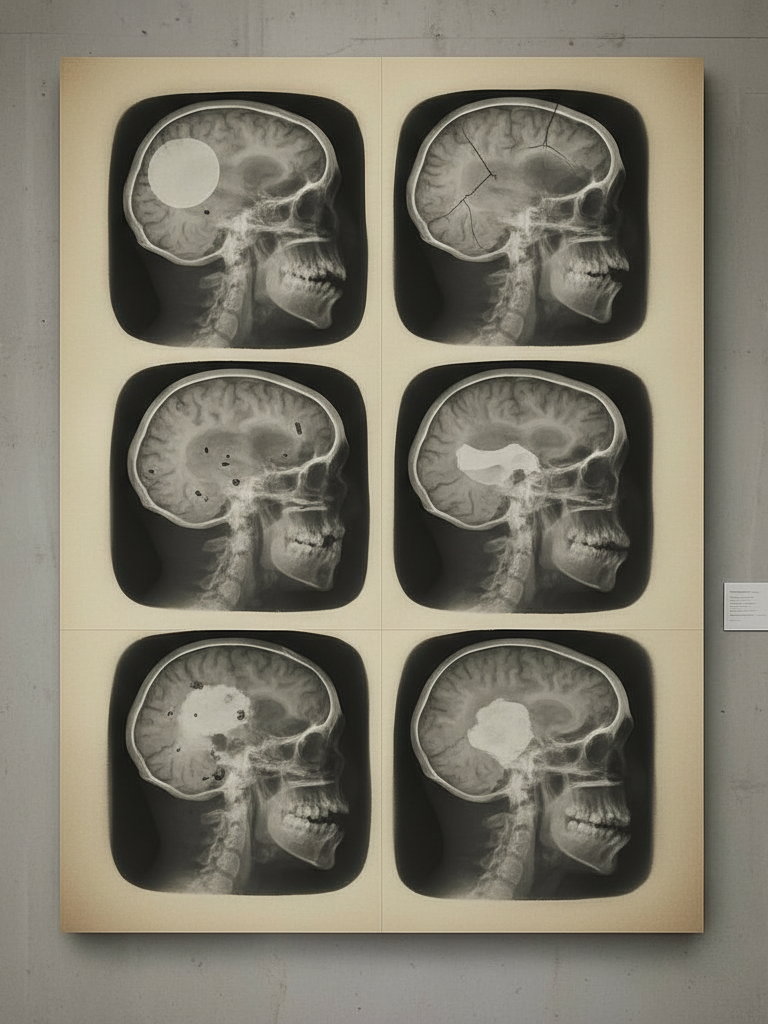
Study Bolsters Push for Personalized Treatment

Poster with the text 'Every Brain Injury is Different' overlaid on abstract neural network graphics

A study published in the journal Neurology (epub April 3, 2026; print April 28, 2026), and currently available through the NLM PubMed database, reveals evidence that traumatic brain injuries affect each person’s brain in remarkably unique ways. While such a scientific revelation may seem evident to survivors, it challenges one-size-fits-all treatment approaches.

Researchers led by Jake Mitchell of Monash University (Australia) analyzed brain scans from 407 TBI patients and 224 healthy controls using normative modeling, a technique that measures individual brains against healthy population norms much like pediatric growth charts.  Co -authored by researchers at the VA Palo Alto Healthcare System, the study found that no more than 23% of patients shared an extreme deviation in the same brain region.

The findings help explain why nearly 30 clinical trials for acute TBI treatments have failed to identify effective therapies. The study results also bolster the case for personalized brain injury medicine.