Phantom Brain Emerges from NRL/VCU Collaboration

“The word ‘phantom’ may conjure up scary ideas, like ghosts, delusions or fake bank accounts… [but] medical imaging phantoms are objects used as stand-ins for human tissues,” according to the National Institute of Standards and Technology of the U.S. Department of Commerce. “Phantoms offer… comprehensive assessments and iterative optimization of imaging modalities… enabling improvements in their chances of success before human studies,” reported the NIH in May 2024.

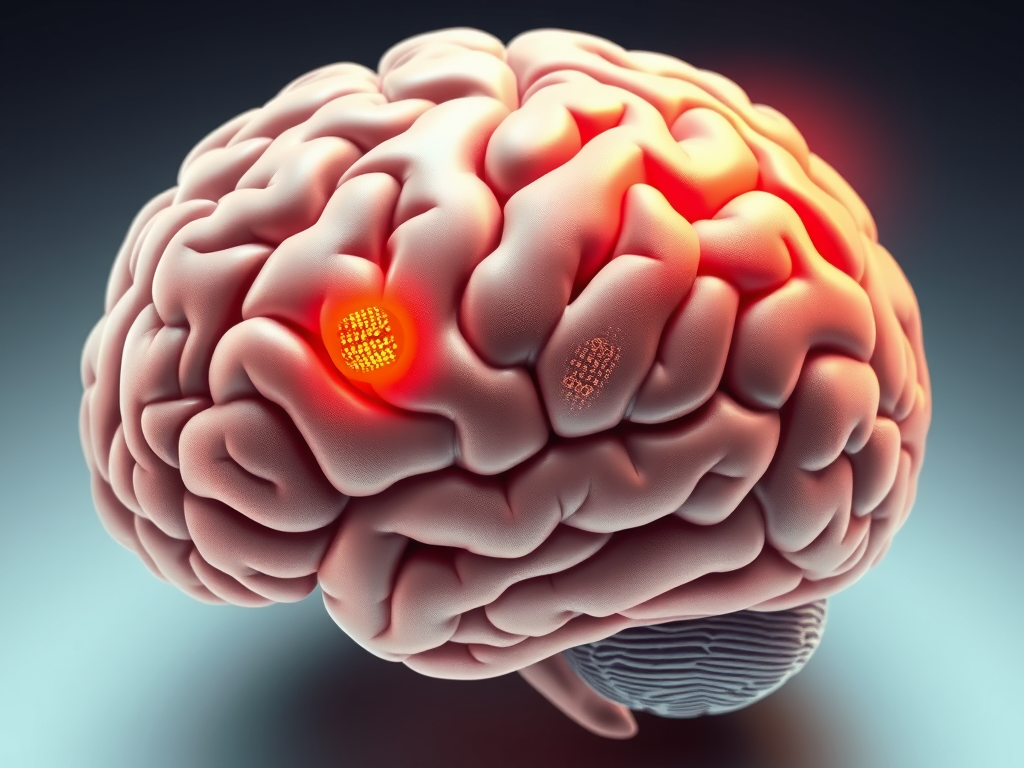
Announced December 8, 2025, scientists at the U.S. Naval Research Laboratory in Washington D.C. and Virginia Commonwealth University in Richmond have developed the first anatomically accurate rat brain phantom capable of measuring traumatic brain injury impacts in real time. This breakthrough emerged from a multi-year partnership between NRL physicist Dr. Margo Staruch and VCU professor Dr. Ravi Hadimani.

The phantom uses a custom gel-like material that mimics real brain tissue’s consistency.  Working like a tiny power generator activated by pressure, an embedded sensor converts physical impacts into measurable electrical signals. It replicates the brain’s distinct layers: skull, cerebrospinal fluid (the protective liquid cushioning the brain), gray matter, and white matter.

“That information can directly inform the design of improved helmets and protective gear, leading to better protection for warfighters and will also contribute to better diagnostic and treatment pathways for TBI,” said Staruch.

Congressional Visit Highlights CU COMBAT Center’s Great Work

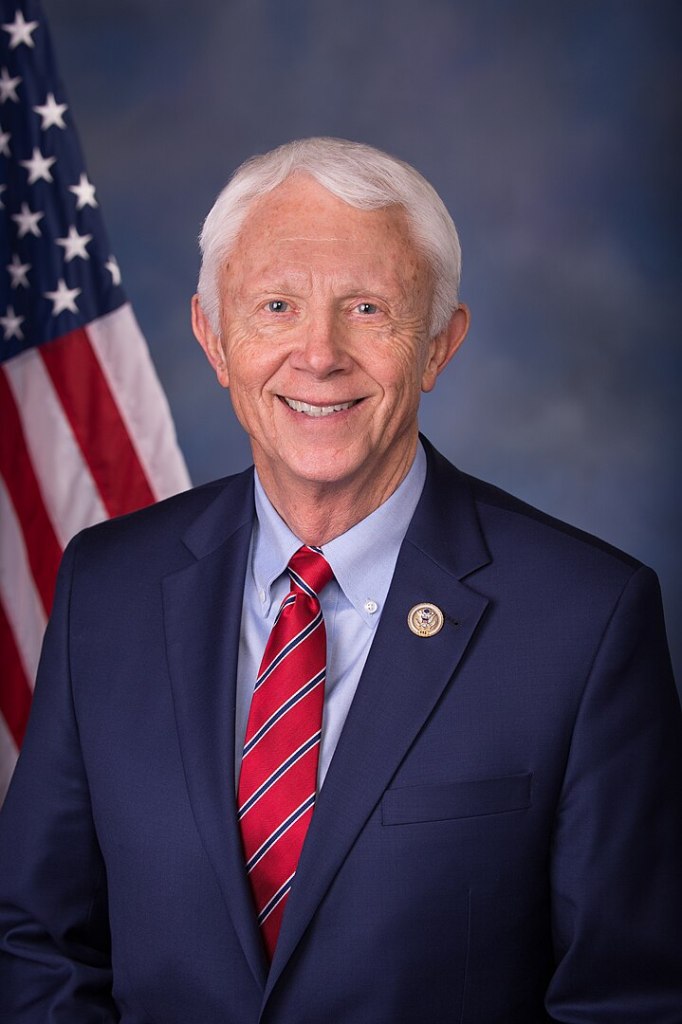
Rep. Jeff Crank (CO, 5th District) recently toured the CU Anschutz Center for COMBAT Research, the nation’s largest academic military health research program. Crank, who serves on the House Armed Services Committee and who’s district is home to five military installations, the United States Air Force Academy and a large veteran population, praised the center’s “great work” saving servicemembers’ lives. (Previously, Crank co-sponsored the bipartisan SMART for TBI Act with Rep. Jason Crow, requiring the military to develop AI-driven traumatic brain injury treatments.)

The COMBAT Center, focused on blast-related injuries, including brain injury, has robust government engagement through over 80 Department of War-funded research grants and educational partnerships with the Defense Health Agency, Uniformed Services University, and the U.S. Air Force Academy. These collaborations have updated 13 military clinical practice guidelines and modernized training for thousands of combat medics.

This partnership between congressional leadership and academic research continues advancing innovative solutions that benefit both military and civilian communities.

Teletherapy Promising for TBI Emotional Recovery

A major government-funded initiative is further advancing the understanding of teletherapy for emotional health challenges following traumatic brain injury. In December 2025, the U.S. Department of War announced a $4.3 million multi-site study testing Building Emotional Self-Awareness Teletherapy (BEST), led by the Hackensack Meridian JFK Johnson Rehabilitation Institute (NJ) and designed to help brain injury survivors recognize and regulate emotions.

The DoW’s Congressionally Directed Medical Research Programs is funding this nationwide study through its Traumatic Brain Injury and Psychological Health Research Program with partner institutions, including the Indiana University School of Medicine, the National Intrepid Center of Excellence, and the University of South Florida. The study will enroll 152 civilian and military participants experiencing emotional dysregulation after mild traumatic brain injury.

The federal government’s exploration into telehealth, in relation to brain injury, has long been studied. As early as 2003, the NIH reported that, “A case study is presented in which teletherapy was successfully utilized to improve the functional outcomes, both physical and cognitive, of a patient with a severe TBI.” More recent government-supported research, led by the University of Washington and UC San Diego and published in July 2025 in Frontiers in Neurology found that telehealth interventions significantly improved depression, anxiety, PTSD, and sleep symptoms in service members with concussions.

Preliminary results are encouraging: 83% of BEST participants reported noticeable improvement in functioning. These developments offer hope that accessible remote therapy can transform emotional recovery for millions affected by brain injury.

Military Brain Injury Research Receives $5.3 Million Federal Grant

University of Virginia School of Medicine and Naval Medical Research Command researchers received a $5.3 million Department of Defense grant announced November 21, 2025, to combat blast-related brain injuries affecting military personnel.

“This is about moving from concern to capability, turning careful science into practical ways to identify, prevent, and treat blast-related brain injury,” said Dr. James Stone, a UVA Health radiologist leading the research. The four research projects will explore the neurovascular unit—where blood vessels and brain tissue interact—and how damage to this system causes chronic health conditions.

Dr. Stone explained that many service members “do not feel like the person they were before they entered the military” due to blast exposures, noting that providing diagnosis and explanation “would be an enormous contribution to this community.”

The project builds on nearly 20 years of research and aims to develop biomarkers, establish safe exposure limits, and create treatment protocols.

“We are very optimistic that the work being done right now is going to make a real difference for these affected populations,” Stone said.

UC/DVA Brain-Gut Study Results May Bring Relief

“Colorado researchers think they might be able to help veterans with traumatic brain injury and PTSD by improving the health of their gut microbiome,” reported Colorado Public Radio on November 9, 2025.

A University of Colorado School of Medicine study, focused on veterans who experience both brain injury symptoms and severe gastrointestinal distress, has just wrapped up. As Dr. Lisa Brenner, a clinical research psychologist at the Department of Veterans Affairs and the UC School of Medicine, and the lead researcher for this study, says, “One soldier I talked to started talking to me about how in addition to his brain injury symptoms, his guts hurt for several weeks after he was exposed to a blast.”

The research team used Lactobacillus rhamnosus, a specific probiotic strain designed to reduce inflammation and calm the body’s systems. Though full results with not be available until next year, researchers emphasize their focus on scientifically validated – single-strain probiotics rather than over-the-counter multi-strain products, ensuring precise treatment effects for veterans in need.

This targeted OTC approach could decrease TBI symptoms for all brain injury survivors.

Creatine’s Brain Benefits for Wellness & Recovery

Creatine is experiencing unprecedented attention in 2025, with sales surging 120% year-over-year according to recent industry reports. This supplement, traditionally associated with muscle building, is now gaining recognition for brain health benefits backed by current research published in NIH databases, military sites, and public universities.

For everyone, creatine enhances brain energy metabolism. A 2024 NIH meta-analysis of 16 studies found supplementation improves memory, attention, and information processing speed in adults. (Dosage depends on patient’s weight and other personal aspects, so it should be calculated with the aid of a medical professional.) The brain consumes 20% of the body’s energy, and creatine helps maintain ATP levels during demanding cognitive tasks, as reported to such sources as NCBI, which is part of the NIH, and in a May 25, 2025 article in Men’s Health.

For brain-injured individuals, benefits are more pronounced. Military research from July 2025 shows creatine may improve mild TBI outcomes, According to a TIME article, published on September 2, 2025, Matthew Taylor from University of Kansas Medical Center notes the supplement shows brain-boosting potential. Even NIH-published studies from almost 20 years ago, 2006-2008, demonstrate significant improvements in pediatric traumatic brain injury recovery from creatine, including reduction of ICU stays and enhanced cognitive function.

“We’re seeing a lot of other applications for creatine now in terms of its role with certain neurodegenerative diseases, its role in brain health, and potentially both a prophylactic and treatment role for [traumatic brain injury] and concussion,” says Shawn Arent, PhD, chair of the department of exercise science at the University of South Carolina.

INFORMATION PAPER ON CREATINE AND TRAUMATIC BRAIN INJURY, Traumatic Brain Injury Center of Excellence, July 2025 – https://health.mil/Reference-Center/Publications/2025/09/25/TBICoE-Information-Paper-on-Creatine-and-TBI

Navy’s Secret Brain Injury Study

The United States Navy’s secretive Project Odin’s Eye, which studies traumatic brain injuries among elite fighter pilots, has prompted a congressional investigation into the service’s handling of aviator health risks.

House Oversight Committee Chairman James Comer (KY) and Military Affairs Subcommittee Chairman William Timmons (SC) are demanding answers about the project, which was launched without formal approval from Navy Medical and Air Commands. The initiative, originally created for Navy SEALs in 2024, quietly expanded to include TOPGUN pilots experiencing brain trauma from repeated catapult launches, high-G maneuvers, and arrested carrier landings.

Last year, Congress responded with the Blast Overpressure Safety Act, which would have required all military branches to track blast exposure and implement baseline brain scans for recruits. H.R.8025 was introduced to the House on April 16, 2024, by Rep. Ro Khanna (CA); S.4109 was presented to the Senate on April 11, 2024, by Elizabeth Warren (MA). Both bills were referred to their respective Committee of Armed Services, but no further action seems to have been taken.

On Monday, September 15, 2025, the independent news source Navy Times published information regarding that current Congressional investigation that reveals the hidden toll these forces take on naval aviators. The article quotes pilots who describe carrier landings as “controlled crashes” that subject their brains to repeated jolting trauma.

Professor Honored by Military for Groundbreaking TBI Research

Mary Jo Pugh, PhD, RN, a University of Utah epidemiology professor, recently earned national recognition with an Outstanding Research Accomplishment Award from the 2025 Military Health System Research Symposium. Reported on Monday, August 18 by the University, she is one of only two investigators nationwide to receive this honor. Pugh was celebrated for her pioneering work uncovering the long-term consequences of traumatic brain injury (TBI) in veterans.

Pugh leads critical research for the Department of Defense and VA, directing the Data and Biostatistics Core for LIMBIC-CENC, the Long-Term Impact of Military-Relevant Brain Injury Consortium – Chronic Effects of Neurotrauma Consortium (www.limbic-cenc.org/). Her work has revealed previously unknown connections between TBI and conditions like dementia, cardiovascular disease, and cancer. By integrating VA and DoD health data, Pugh’s research helps identify veterans at highest risk for complications, paving the way for preemptive interventions and improved care for those who served.

TBI & PTSD Treatment Gains Congressional Momentum

Congressional efforts to expand hyperbaric oxygen therapy (HBOT) access for veterans with traumatic brain injuries and PTSD are advancing through multiple legislative channels in 2025.

Congressman Andy Biggs (AZ) reintroduced H.R. 72, the TBI and PTSD Treatment Act, on January 3, 2025, alongside co-sponsors Representative Elijah Crane (AZ) and Representative Paul Gosar (AZ). The bill was referred to the House Veterans’ Affairs Committee and subsequently to the Subcommittee on Health on February 6, 2025.

Additionally, Congressman Greg Murphy (NC) championed H.R. 1336, the Veterans National Traumatic Brain Injury Treatment Act, which successfully passed the House Veterans’ Affairs Committee on May 6, 2025. This bipartisan legislation establishes a pilot program for HBOT treatment and garnered support from twelve co-sponsors across party lines.

Both bills target the veteran suicide epidemic, with over 17 veterans lost daily. HBOT accelerates brain healing by delivering elevated oxygen to damaged tissue, with studies showing significant PTSD symptom reduction within four weeks of treatment.

The legislation aims to remove VA bureaucratic barriers and provide veterans additional treatment options beyond traditional therapies, representing a critical step toward addressing the mental health crisis affecting America’s veterans.

New Study Reaffirms Role of IL-33 in Recovery

A groundbreaking study, published by the NIH and reported on by the Military Medical Research Journal in August 2025, has shed new light on how our brains respond to injury, focusing on a protein called IL-33 that acts as the body’s internal alarm system.

When brain cells are damaged—whether from a traumatic injury, stroke, or repeated mild impacts like those seen in contact sports—they release IL-33 as a distress signal. This protein, known as an “alarmin,” alerts the immune system that something is wrong.

The August 2025 research, conducted in both mice and humans, revealed that IL-33 plays a crucial protective role after brain injury. The study found that when IL-33 levels drop following repetitive mild brain trauma, cognitive problems—like memory loss and difficulty thinking clearly—become significantly worse.

Here’s how it works: IL-33 helps special immune cells called microglia (the brain’s cleanup crew) remove harmful debris and damaged proteins that accumulate after injury. When IL-33 is functioning properly, these cleanup cells work efficiently to clear away toxic buildup, particularly a problematic protein called amyloid-beta.

The researchers discovered that supplementing IL-33 levels through nasal administration dramatically improved brain function and cognitive recovery in injured animals. This finding offers hope for developing new treatments for people suffering from brain injuries, potentially helping millions recover more effectively from trauma-related cognitive decline.

Decreased IL-33 in the brain following repetitive mild traumatic brain injury contributes to cognitive impairment by inhibiting microglial phagocytosis: https://pubmed.ncbi.nlm.nih.gov/40764944/