
The mildest brain injuries, the most common, leave no trace on CT or MRI scans. New research says the answer to this conundrum may lie in metabolism, how the injured brain burns fuel.
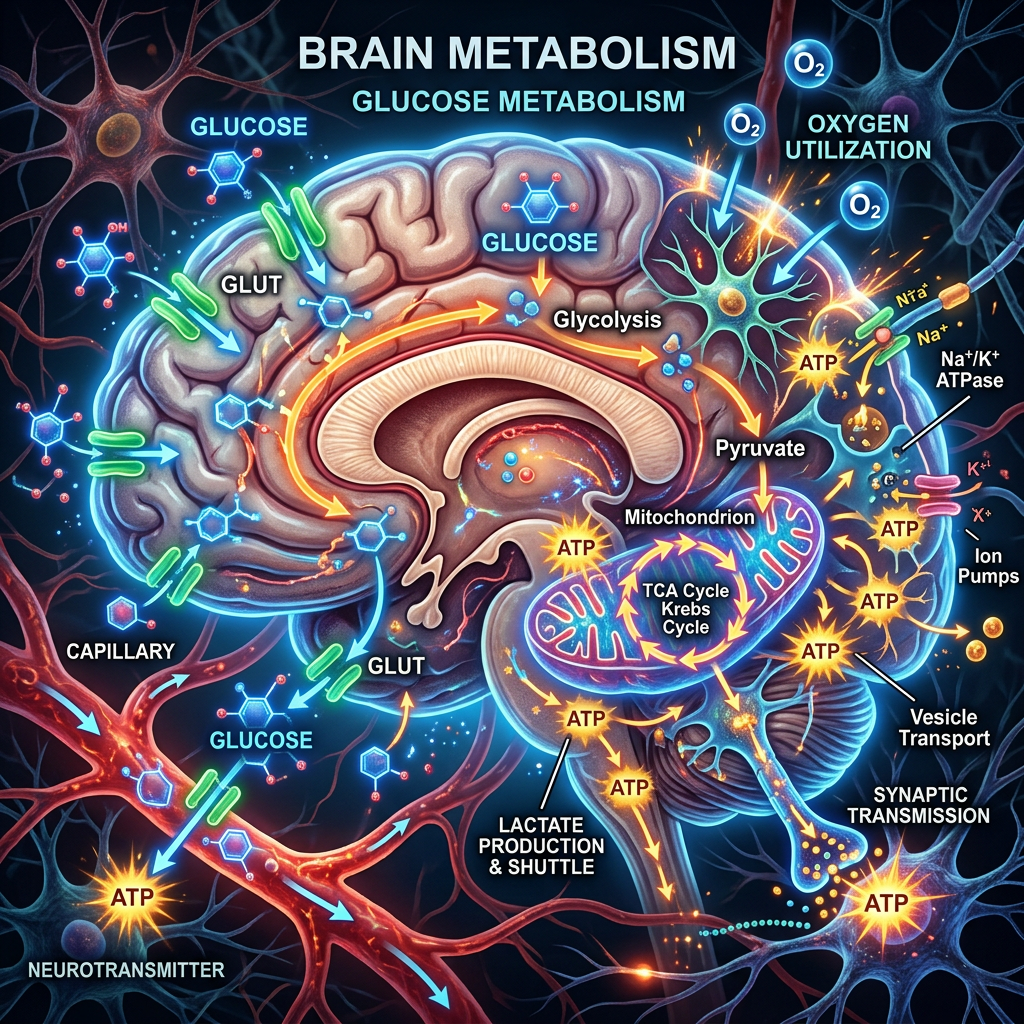
In a July 2026 Open Access Government article, VA and University of Washington scientist James Meabon argues that FDG-PET (Fluorodeoxyglucose positron emission tomography), which uses a radioactive sugar tracer to show the brain’s glucose use, can expose blast injury where structural scans cannot. Tracking the executive-function problems of 79 blast-injured veterans, this Journal of Neurotrauma study found that a single deep-brain hotspot heightened glucose uptake in the left pallidum.
At the molecular level, a May 2026 npj Metabolic Health and Disease journal review details how blast-related injuries stall the brain’s energy cycle. In particular, metabolites – succinate, lactate, altered pyruvate-dehydrogenase activity – it “spills” into blood and urine.
While the work was funded by the Department of Defense, VA, and NIH, and focused on brain injury in the military, the findings are universally applicable. “By viewing blast injury through metabolism,” Meabon writes, medicine can move “from invisible injury to precision medicine.”

