Lawmakers’ DUIs & the Brain Injuries Drunk Driving Leaves Behind

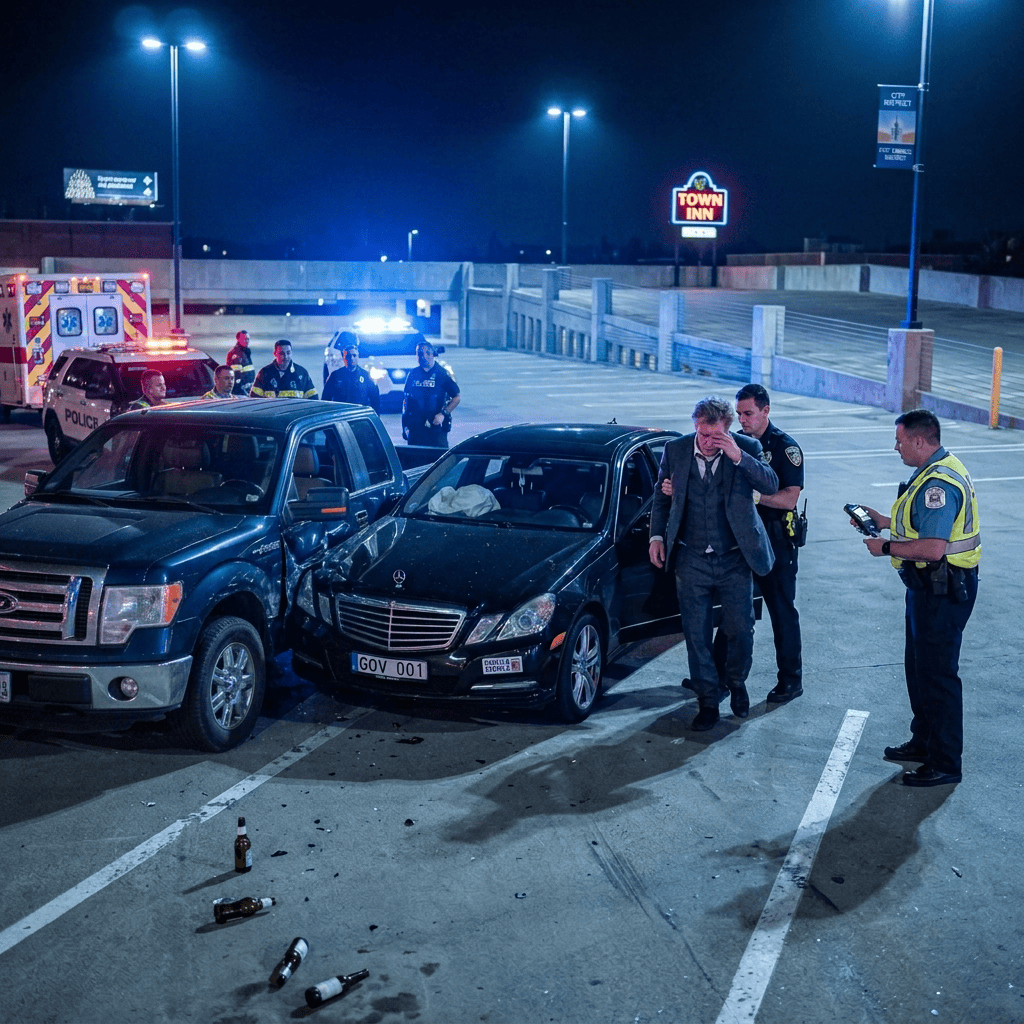
Police officers assist a man beside damaged cars in a parking garage

Minnesota Representative Dan Wolgamott was charged on November 13 with criminal vehicular operation causing bodily harm and a third-degree DUI* after prosecutors say his SUV struck a parked pickup. Police say his vehicle slammed into a parked truck. The pickup’s driver, who was immediately taken to the hospital, reported headaches, dizziness and blurry vision. Based on these symptoms, the hospital doctors “believed” the driver had a mild concussion, though concussion is diagnosed from symptoms, not scans, and those symptoms can unfold over days. As with other survivors of vehicular crashes, the truck driver may face months of rehabilitation and lifelong impairment.

This incident isn’t the first DUI charge for Wolgamott, as he pleaded guilty to one in 2023. Reportedly, in the past 5 years, at least 20 other state legislators across the United States were arrested or charged with DUI. National Highway Traffic Safety Administration’s newest data counted 11,904 alcohol-impaired-driving deaths in 2024, and crashes caused nearly a quarter of nonfatal TBI hospitalizations in 2018, according to the CDC’s most recent national breakdown.

One meta-analysis of cases found 30% to 60% of TBI patients intoxicated when injured. Heavy drinking itself can damage the brain, including Wernicke-Korsakoff syndrome, “a potentially preventable neurological disorder… [which] can result in irreversible cognitive impairment, disability, or death,” reports the NIH.

*In Minnesota, a first no-injury DWI is a misdemeanor; vehicular operation causing bodily harm carries up to 364 days imprisonment, substantial bodily harm three years, and great bodily harm, including permanent or protracted impairment, five years. Florida and California also escalate by injury.
When Your Car Is the Hazard: Recalls and Brain Injury

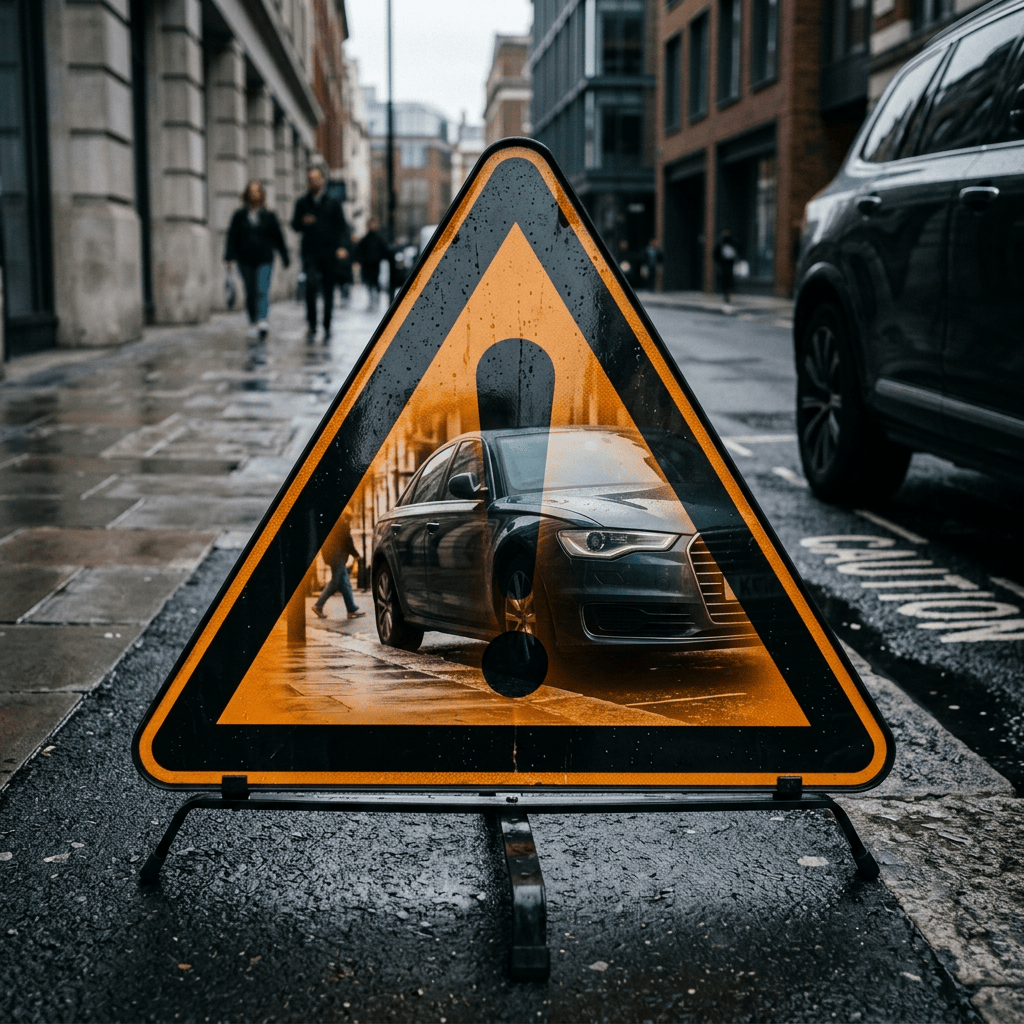
Rain-speckled triangular warning sign with a car symbol on a wet city street

Car recalls are concerning and far more common than many may think. In fact, roughly 80 recalls are typical for a single month. Recalls announced so far in November 2026 include GM electric SUVs, such as the Cadillac LYRIQ and Chevrolet Blazer EV, for possible loss of braking. Hyundai models need airbag-control software fixes. Toyota Sienna Hybrid seatbacks may not stay latched in a crash, and some GM front seats have welds that may fail in a collision.

Though the number of recalls may be concerning, particle as roughly 20 percent of brain injuries are caused by vehicle crashes, and they are often the most severe, a recall doesn’t need an injury to happen first. Recalls are issued when a defect poses an unreasonable risk to safety or fails to comply with federal standards. Owner complaints can prompt an investigation, since National Highway Traffic Safety Administration reviews filed complaints from vehicle owners and other information related to alleged defects.

Fortunately, a recall doesn’t have to wait until someone is hurt. Many start when a manufacturer finds a flaw, or when NHTSA investigates a pattern of owner complaints. However, protection is always the best policy. To do so, enter your 17-digit VIN at NHTSA.gov/recalls and get any open recall fixed promptly. Repairs are free. You don’t need to check every month as NHTSA’s SaferCar app or its email alerts will tell you automatically.

Saturday Halloween: Keep the Fun, Protect the Brain

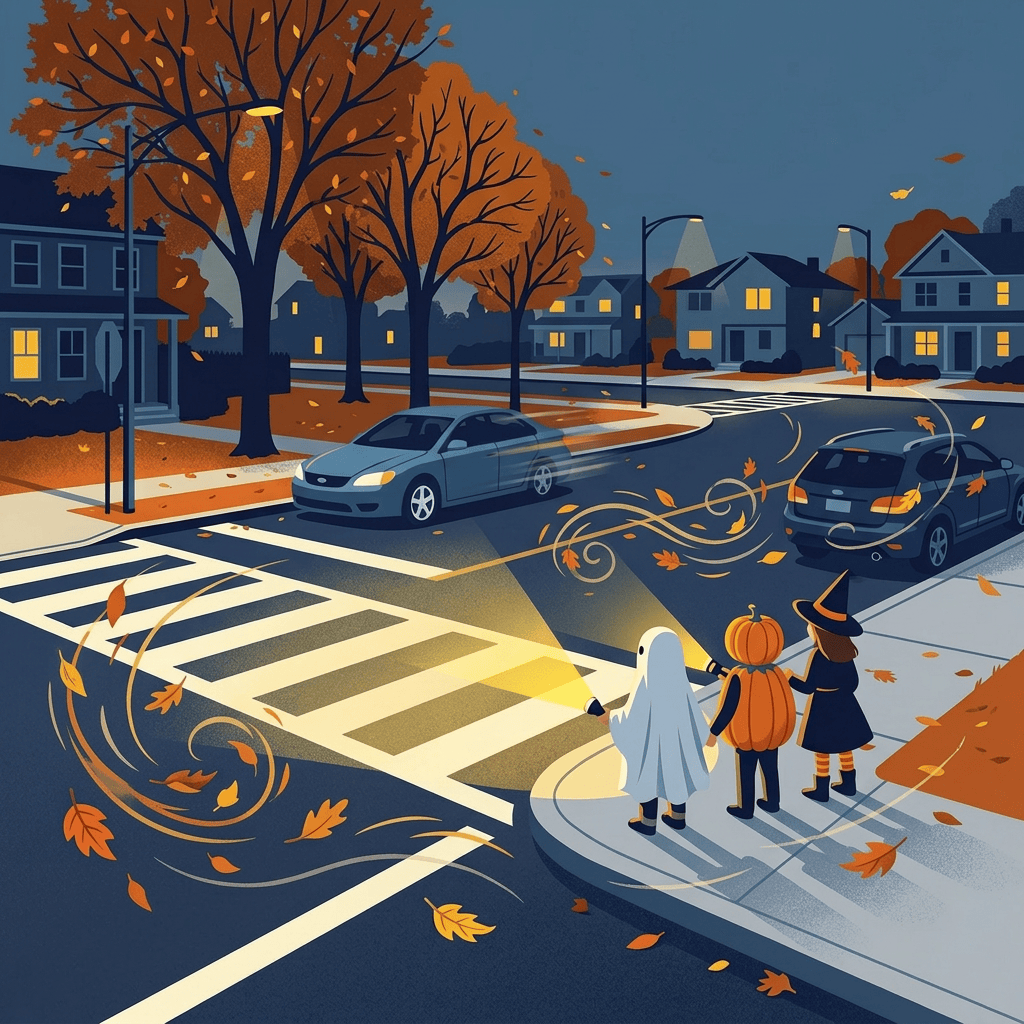
Crossing guard standing at a neighborhood crosswalk on an autumn evening

Tomorrow, October 31, is both Halloween and Saturday, a weekend night. Because of this coalescence, some towns have moved trick-or-treating earlier, giving kids more daylight. However, when daylight fades, AAA and other organizations warn of possible danger, as costumed children will share dark streets with weekend drivers, partygoers and e-bike riders.

The risk is real. A 2018 study of 42 years of crash data, indexed by the National Highway Traffic Safety Administration, found pedestrian deaths rose 43% on Halloween evening, peaking around 6 p.m. Children ages 4 to 8 faced tenfold risk, and alcohol didn’t explain it.

Adults face a different danger: NHTSA reports that, from 2019 to 2024, there were 201 alcohol-related deaths on Halloween night. A weekend party night may raise those stakes.

October is also National Pedestrian Safety Month, designated by the U.S. Department of Transportation. “During National Pedestrian Safety Month, I want to remind drivers about the importance of following the speed limit, paying attention to the road ahead, and keeping an eye out for pedestrians,” Ohio Gov. Mike DeWine said October 9.

For protection, the government reminds trick-or-treaters to use reflective tape, flashlights, face paint instead of masks, and helmets when on wheels. For their part, drivers need to slow down and plan sober rides. As the government-affiliated North Jersey Transportation Planning Authority (NJTPA) states, “Halloween is a night for costumes, celebrations, and spending time with friends and family. A little extra caution can help keep the focus on the fun.”