The Menopause-Brain Injury Connection Doctors Are Missing

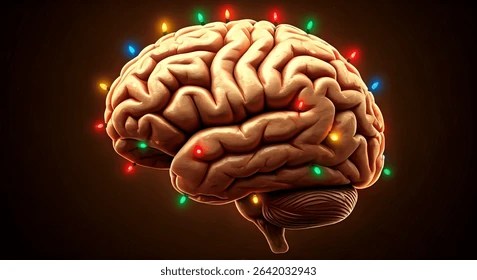
Last week, new research was presented at The Menopause Society’s 2025 Annual Meeting that revealed menopause may significantly complicate brain injury recovery. The NIH-recognized organization further notes that current medical assessments completely miss this in evaluations. The problem? Standard tests ignore hormonal status, potentially delaying healing in millions of women.

As previously noted in two 2018 articles on this site, when estrogen and progesterone levels plummet during menopause, the brain loses critical protective shields. According to NIH data, these hormones normally work to fight inflammation, reduce brain swelling, and protect cells after injury. Without them, recovery becomes more challenging. More so, menopause symptoms, such as memory problems, headaches, and mood changes, exactly mirror those of brain injury, making diagnosis nearly impossible without hormone-specific assessments.

More recent NIH studies, though, also emphasize that it is very possible to protect yourself from menopause’s adverse effects. A 2024 report by the NIH National Institute on Aging, found that regular exercise (150 minutes weekly), a Mediterranean-style diet rich in fish and vegetables, quality sleep, and managing hot flashes all support brain resilience. Additionally, maintaining healthy blood pressure and preventing falls also becomes crucial during this vulnerable time of life. Most importantly, the Institute emphasizes the importance of having a conversation about your hormonal status with your doctors following a head injury. This simple action could transform your recovery.

Post-Traumatic Path to Communication

Research published in 2025 and found in the NIH database found that brain injury significantly impacts auditory function, with studies documenting outcomes ranging from normal hearing to complete deafness, with approximately 41% of cases involving sensorineural hearing loss. For those experiencing severe hearing impairment, sign language may become essential for communication.

However, learning sign language presents unique challenges for brain injury survivors. Since sign language requires visual—spatial processing, motor coordination, and sustained attention—which may all be affected by a brain injury—the learning curve can be steeper.

Despite these challenges, rehabilitation specialists emphasize that it is possible with individualized instruction that accounts for specific cognitive strengths and limitations. A BBC story from last week showcases a specific success story, quoting a patient, “Learning BSL has helped me say words that I cannot speak.”

(Note: Early intervention and patient-centered approaches maximize recovery outcomes.)

Widening Knowledge of Narrowing Cerebral Blood Vessels 

When blood vessels in the brain suddenly narrow – a condition called vasospasm—the consequences can be devastating. Vasospasm ranks among the leading causes of cerebral ischemia, in which there is a lack of blood flow to the brain. The effect of such a condition can be brain injury, particularly it may trigger a stroke. Statistically, about twenty to thirty percent of patients experiencing vasospasm develop delayed cerebral ischemia and infarction, even when narrowing occurs without trauma.

However, the relationship between vasospasm and brain injury is more complex than a simple ‘cause-and-effect’. A July 25, 2025 report from NIH-recognized source Journal of Intensive Medicine, and brought to my attention by an October 17 third party article, found that the post-traumatic vasospasm ranges from 19% – 68%, though many cases go undetected. “Post-traumatic vasospasm is often silent but dangerous,” explains the lead researcher. “Recognizing it early can help prevent secondary brain injury.”

A case documented in the NIH’s PubMed database illustrates both the danger and hope surrounding post-traumatic vasospasm. A 26-year-old man arrived at the hospital with a Glasgow Coma Scale score of just 4 – indicating severe brain injury – after a motor vehicle accident. He underwent emergency brain surgery for bleeding, but while recovering in the intensive care unit, he developed severe vasospasm. Medical monitoring revealed dangerous narrowing of his cerebral arteries. Over three separate days, physicians treated him with intra-arterial infusions of calcium channel blockers, which dramatically improved his arterial diameter by as much as 60%. After 22 days, the vasospasm resolved.

Federal researchers are making progress. A 2024 federally-funded study led by Dr. Rima Rindler at Emory University developed AI machine models that predicted which patients will develop vasospasms with 94% accuracy. Meanwhile, NIH-supported scientists are pioneering detection methods using transcranial ultrasound and biomarkers.

These advances offer hope that this complication may become routinely preventable, potentially saving thousands from permanent disability.

Creatine’s Brain Benefits for Wellness & Recovery

Creatine is experiencing unprecedented attention in 2025, with sales surging 120% year-over-year according to recent industry reports. This supplement, traditionally associated with muscle building, is now gaining recognition for brain health benefits backed by current research published in NIH databases, military sites, and public universities.

For everyone, creatine enhances brain energy metabolism. A 2024 NIH meta-analysis of 16 studies found supplementation improves memory, attention, and information processing speed in adults. (Dosage depends on patient’s weight and other personal aspects, so it should be calculated with the aid of a medical professional.) The brain consumes 20% of the body’s energy, and creatine helps maintain ATP levels during demanding cognitive tasks, as reported to such sources as NCBI, which is part of the NIH, and in a May 25, 2025 article in Men’s Health.

For brain-injured individuals, benefits are more pronounced. Military research from July 2025 shows creatine may improve mild TBI outcomes, According to a TIME article, published on September 2, 2025, Matthew Taylor from University of Kansas Medical Center notes the supplement shows brain-boosting potential. Even NIH-published studies from almost 20 years ago, 2006-2008, demonstrate significant improvements in pediatric traumatic brain injury recovery from creatine, including reduction of ICU stays and enhanced cognitive function.

“We’re seeing a lot of other applications for creatine now in terms of its role with certain neurodegenerative diseases, its role in brain health, and potentially both a prophylactic and treatment role for [traumatic brain injury] and concussion,” says Shawn Arent, PhD, chair of the department of exercise science at the University of South Carolina.

INFORMATION PAPER ON CREATINE AND TRAUMATIC BRAIN INJURY, Traumatic Brain Injury Center of Excellence, July 2025 – https://health.mil/Reference-Center/Publications/2025/09/25/TBICoE-Information-Paper-on-Creatine-and-TBI

New Safety Measures Take Effect for Stunt Performers

Box office success proves that people relish characters’ overcoming unbelievably intimidating or frightening physical odds in film. However, for the stunt performers who perform these acts, the imbedded danger can be very real. An Ohio University study published in 2023 by the NIH reveals stunt risk: 80% of film and television stunt performers have experienced head impacts. Of that high percentage, 86% showed concussion-like symptoms. (This percentage is likely much higher than industry professionals would think, as there is also a 2024 NIH-published report Stunt performers’ reluctance to self-report head trauma.)

Based on statistics and the increased public concern about production safety, California signed into law SB 132 in July 2023. While this bill was not effective until this past July, the Income taxes: tax credits: motion pictures: occupational safety: California Film Commission mandates safety advisors and risk assessments for tax-credit productions, specifically stating, “[it] would require the safety advisor to prepare a final safety evaluation report based on the actual risk and compliance experience.” Georgia now requires, “major studio filming… [to] assign a safety officer to a feature length production as part of a pilot program.” New York has also developed a similar pilot safety officer program in 2025.

The film industry, at large, has also taken action, as SAG-AFTRA now requires 500 days’ experience for stunt coordinators. Beyond performer safety concern, this enhanced attention to the issue of stunt trauma is based on simple financial calculations, as lawsuits underscore the stakes. HBO settled with stuntman Casey Michaels for $9.4 million in 2023. Fast & Furious 9 producers also faced $1 million in fines after stuntman Joe Watts suffered traumatic brain injury.

While new laws and highlighted attention are a positive sign, stunt safety remains difficult to assess. An exploratory study found in the NIH database, Head Trauma and Concussions in Film and Television Stunt Performers, alarmingly found that fear of job loss meant that 65% continued working while symptomatic.) “Concussion seems to be a serious occupational health issue in stunt performers,” stated Dr. Jeffrey Russell, researcher at Ohio University. This somewhat dismissive statement shows that action is needed to protect both the stunt performers and the studios’ bottom line.

Eating Disorders & Brain Injury Feed Each Other

The relationship between brain injury and eating disorders works like a dangerous spiral that spins both ways. Medical professionals have been aware of this connection for quite some time, even before the NIH report of a 2017 study determined, “Eating disorders have been reported after TBI…. underscor[ing the] major role of frontal-subcortical circuits in regulation of eating habits.” Traumatic brain injury to the frontal lobe disrupts decision-making and impulse control, which can potentially lead to anorexia or body dysmorphic disorder.

More extensively studied is the converse effect: when someone develops anorexia nervosa, and starvation actually shrinks the brain. A 2022 study from the University of Southern California analyzed nearly 2,000 brain scans and discovered that brain damage from anorexia causes the brain’s outer layer to thin dramatically. In essence, the study determined that eating disorders result in the brain literally wasting away from lack of nutrition.

A study published in Frontiers in Neurology on September, 5, 2025, and currently found in the NIH database, revealed why brain damage, related to an eating disorder, is particularly insidious. Researchers state that anorexia causes anosognosia—the inability to recognize illness severity—through disrupted brain circuits in the insula, striatum, and prefrontal cortex. These same regions process body signals and update beliefs about oneself, creating a tragic irony: the very brain areas needed to recognize the problem are being damaged by starvation itself.

The promising news from 2024 Mount Sinai research, though, is that when patients regain weight, and the majority of those with eating disorders do regain weight and recover, their brains can recover too.

Actor’s Head Injury Highlights Complex Link Between ALS & Brain Trauma

Grey’s Anatomy star Eric Dane was set to present an award at the Emmy Awards on September 14, 2025.  Instead, the actor missed this year’s awards entirely. After a fall in his kitchen caused a head injury that required stitches, he spent a much less glamorous evening in the hospital.

Earlier this year, Dane revealed that he suffered from amyotrophic lateral sclerosis. Reports say that Dane has largely lost control over the right side of his body due to the progressive neurodegenerative disease, illustrating how ALS-related motor control loss can lead to falls and subsequent head trauma.

The National Institute of Neurological Disorders and Stroke acknowledges head injury as a potential risk factor of ALS, though researchers emphasize more investigation is needed to understand the intricate connection. An October 2025 study report found on the NLM database, and initially published on JAMA Network, states, “TBI might represent an early complication of… preclinical ALS at risk of falls or other events culminating in TBI.”

Various studies have shown that there is a complex relationship between the two conditions. Data from the National ALS Registry, published by the NIH in January 2025, found that over half of ALS patients had experienced head injuries, with multiple injuries and those occurring before age 30 showing stronger associations. The aforementioned JAMA Network study, examining the connection between TBI and ALS in over 342,000 adults, found that individuals with a history of traumatic brain injury had more than double the risk of developing ALS. (The elevated risk, though, was confined to the two years immediately following brain injury, with researchers suggesting this may indicate reverse causality—that the head injury could again be an early consequence of subclinical [undiagnosed] ALS rather than its cause.)

UAB Study Finds 30-Year Diagnostic Tool for Brain Injuries Unreliable

A landmark University of Alabama at Birmingham study, published in the American Journal of Roentgenology [radiology] in May 2025, and noted by UAB News on September 17, 2025, shows that “White matter hyperintensities [are] no longer a reliable way to diagnose mild traumatic brain injury”. Challenging a diagnostic method used for over three decades, the study found that white matter hyperintensities (WMH)—bright spots visible on brain MRI scans—appear equally in patients with mild traumatic brain injury and healthy individuals, undermining their diagnostic value.

Since the 1990s, WMH have been used to detect subtle brain damage invisible in standard imaging. The 1993 study A semiquantative rating scale for the assessment of signal hyperintensities on magnetic resonance imaging found on the NIH database, established the credibility of WMH by correlating these MRI findings with actual brain tissue damage, including demyelination and axonal degeneration. This finding has been largely accepted in the medical field, as shown by various studies since, many of which reported by the NIH, and made WMH attractive for diagnosing concussions when conventional scans appear normal.

However, medical professionals increasingly questioned the approach. New clinical reports show that WMH lack specificity—appearing not only from trauma, but also from normal aging, silent strokes, multiple sclerosis, and vascular disease. The UAB study confirmed these concerns: 34% of brain injury patients showed WMH compared to 35% of controls, with no correlation between WMH presence and symptom severity or recovery outcomes. Lead researcher Dr. Manoj Tanwar concludes that WMH alone is not enough for a diagnosis and comprehensive clinical assessment remains essential beyond imaging.

A Broader View of Diet’s Role in TBI Recovery

I tend to post about particular foods and diets that aid in brain injury recovery and overall brain health. This week, I take a broader view and examinine the benefits that one’s general choices of sustenance have in recovery and wellbeing:

In a holistic sense, research reveals that what survivors eat may dramatically influence their recovery. A groundbreaking 2023 NIH report published in Current Physical Medicine and Rehabilitation Reports found that specific dietary patterns can significantly improve long-term outcomes for brain injury patients. The study concluded that, “a diet rich in fiber and nutrients, but limited in added sugars, saturated fats, and excess calories would likely have the greatest cardiovascular and related neurologic protection.”

This finding was confirmed last year, with the Department of Defense and Veterans Affairs officially acknowledging in 2024 that, “nutrition may be a modifier of mild traumatic brain injury sequelae.” The research examined Mediterranean, DASH, and MIND diets, all emphasizing fruits, vegetables, healthy fats, and omega-3 fatty acids. These dietary interventions offer hope for reducing cardiovascular complications and improving neurological outcomes without pharmaceutical interventions.

Recently, in July 2025, the Journal of Neurotrauma published the findings of a study conducted by UNC School of Medicine, the Uniformed Services University, and the NIH that singled out a debilitating side effect of brain injury. They confirmed the importance of diet in preventing headaches, as trials demonstrated, “dietary changes significantly reduce persistent post-traumatic headaches…”

As can be seen, a comprehensive diet overhaul, with the possible assistance of a medical professional, can be a great benefit to both brain injury survivors and the general population.

The Connection Between TBI & Brain Cancer

On September 23, 2025, the University of Missouri School of Medicine reported groundbreaking findings that adults with moderate-to-severe traumatic brain injury face a 50% increased risk of developing brain cancer. The cancer is defined by malignant tumors that grow rapidly and invade surrounding brain tissue. Brain cancer affects approximately 24,820 Americans annually, according to the American Cancer Society, with a 33% five-year survival rate. Importantly, brain cancer itself is classified as an acquired brain injury—a form of non-traumatic brain damage that disrupts brain function.

The relationship between brain injury and brain cancer involves a fascinating interplay. While brain cancer causes acquired brain injury through tumor growth, research now suggests moderate-to-severe traumatic brain injuries may trigger brain cancer development through inflammation synergizing with existing genetic mutations. Not all brain tumors are cancerous, though. Approximately 72% are benign, even if they are still potentially serious depending on location.

Dr. Nimish Mohile of the University of Rochester notes that, “we’re starting to see progress with targeted therapies in the field of neuro-oncology,” offering hope for improved outcomes. Current NIH Director, Dr. Monica Bertagnolli, highlights that, “an AI-based diagnostic system can determine in just 10 seconds if part of a cancerous brain tumor that could be removed still remains,” demonstrating technological advances in treatment.

Prevention strategies include wearing helmets, preventing falls, and maintaining workplace safety—the same measures that protect against head injuries may reduce brain cancer risk. For those diagnosed with brain cancer, treatment often mirrors brain injury rehabilitation, as well—physical therapy, occupational therapy, speech therapy, and cognitive rehabilitation. These comprehensive approaches help patients regain function and improve quality of life, with research showing brain tumor patients recover at rates comparable to stroke and traumatic brain injury patients.

The encouraging news is that while moderate-to-severe TBI increases risk, the absolute probability remains low, and advances in early detection and treatment continue to improve outcomes. Still, patients with TBI history may benefit from monitoring for early tumor detection.