2026 Update: Mitigation for Morality and Murder

Brain injury may not excuse a crime, but increasingly it has been used in courtrooms to shape punishment. This month, October 2026, Alberto Sierra’s lawyers showed penalty-phase jurors a 3D-printed model of frontal-lobe damage from childhood car crash, in Miani-Dade. (Their expert, though, did not say the injury caused the triple murder.) In Raleigh, Austin Thompson’s brain injury didn’t prevent five life-without-parole terms in February. However, in Indiana, Jeffrey Weisheit is seeking brain scans to support clemency before his November execution date.
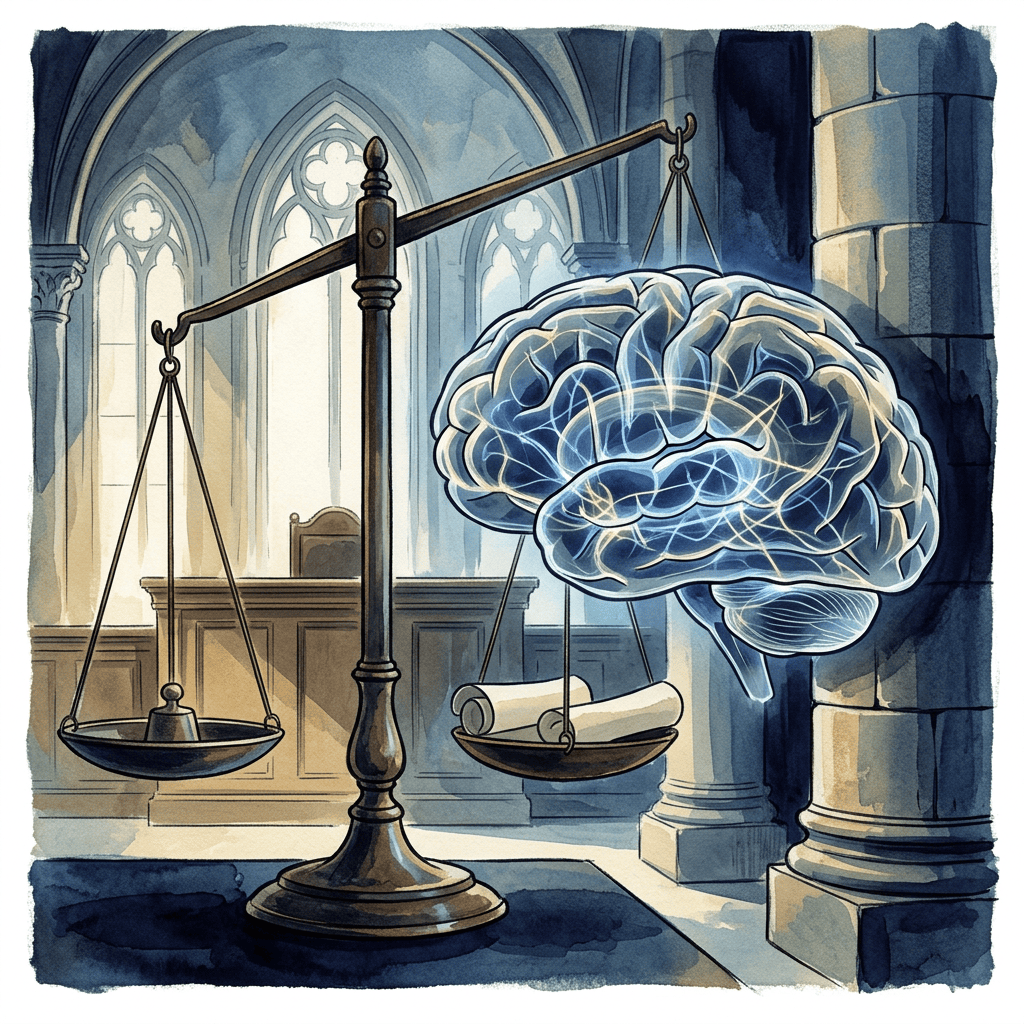
Glowing brain and scrolls balanced on scales inside a Gothic courtroom

The CDC has reported that almost half (46%) of incarcerated adults and about 1 in 3 detained juveniles have a TBI history his. While NIH-indexed studies find only a “modest causal link” between TBI and later convictions, it’s notable that less than 2 percent of the general public has a TBI history. It is uncertain, though, to what side and to what level the cause-and-effect aligns. A small 2023 PubMed-available study of 31 TBI patients found moral decision-making “not uniformly impaired”; lesion location and age at injury matter more.

The conclusion seems to be that brain injury buys mercy, not acquittal.
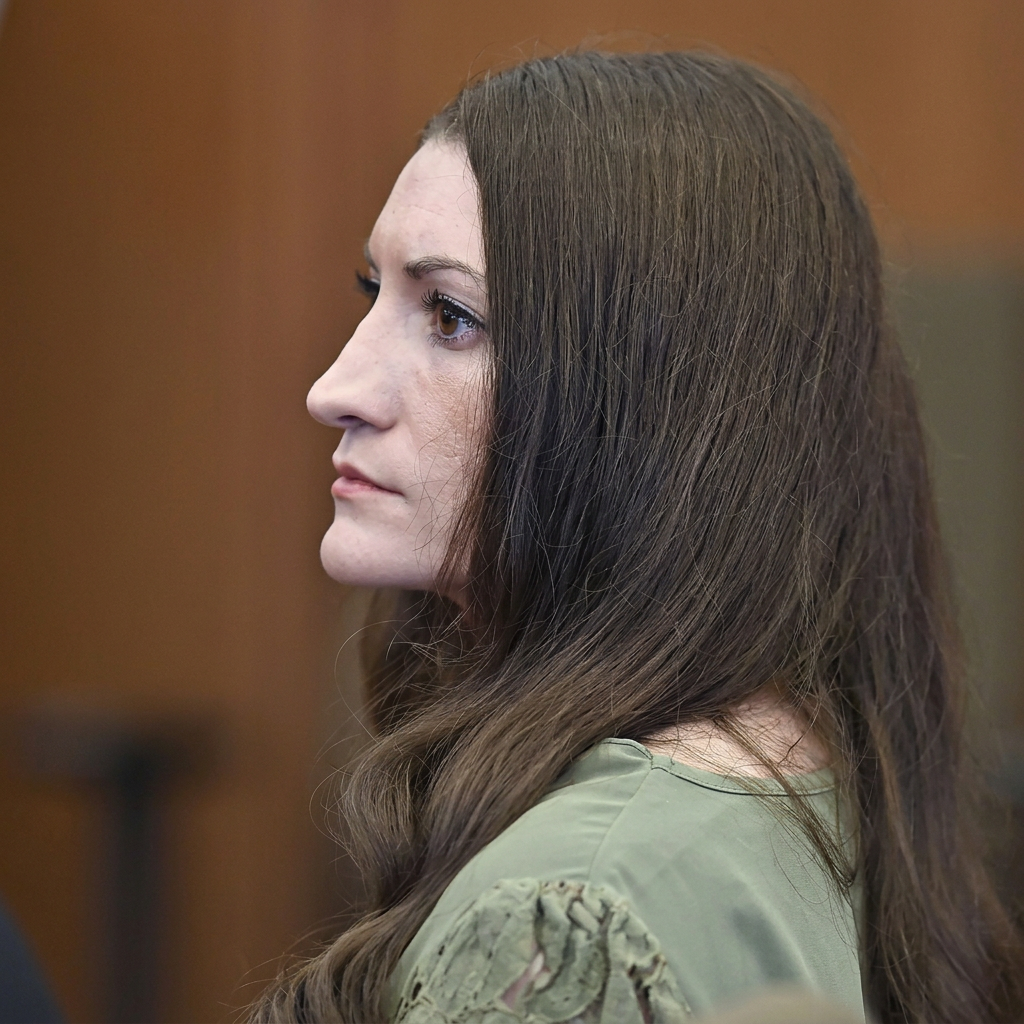
Examination of Lindsay Clancy’s Brain

As widely reported, on September 4, the judge declared a mistrial in Lindsay Clancy’s triple-murder trial. Clancy, a former labor and delivery nurse, pleaded not guilty to killing her three children on Jan. 24, 2023. Her defense argued she was suffering from postpartum psychosis, a psychiatric disorder. Prosecutors, however, called on a forensic psychiatrist, who testified that she “retained the capacities that were required for having criminal responsibility,” ABC News reported.

Questions about brain injury came up in the medical testimony. A January 24 jump from a second-floor window, following the strangulation of her kids, left Clancy paralyzed from the waist down. While one doctor testified that Clancy’s head CT was “unremarkable,” as reported by Boston 25, a defense pathologist testified that Clancy did a “freefall dive head first,” causing a C1 (first cervical vertebra) Jefferson fracture.

According to a 2021 report available on the NLM database, “Jefferson fractures with potential tears in the transverse ligament can cause cervical spine instability and can result in neurologic injury if not appropriately diagnosed and managed.” The NLM database also includes the results of a 2011 study on the rare neurological condition Collet-Sicard Syndrome due to Jefferson fracture. The report reveals that the examined patient had decreased gag reflex on the left side, decreased laryngeal elevation, tongue deviation to the left side, and atrophy of the left trapezius. Jefferson fracture, though, does not directly cause cognitive impairment.

Newsweek reported that Clancy had no skull fracture or brain bleed. A psychiatrist testified that Clancy’s brief delirium in the hospital could have been caused by anesthesia, oxygen problems or an elevated heart rate, and that it resolved, reported CBS Boston and Fox News. After the trial, defense attorney Kevin Reddington claimed she came out of “this obvious coma” with “no memory,” CNN reported.

As of now, no decision on whether or not to retry the case appears to have been made.