House Introduces a BEACON of Hope for Veterans with Brain Injuries

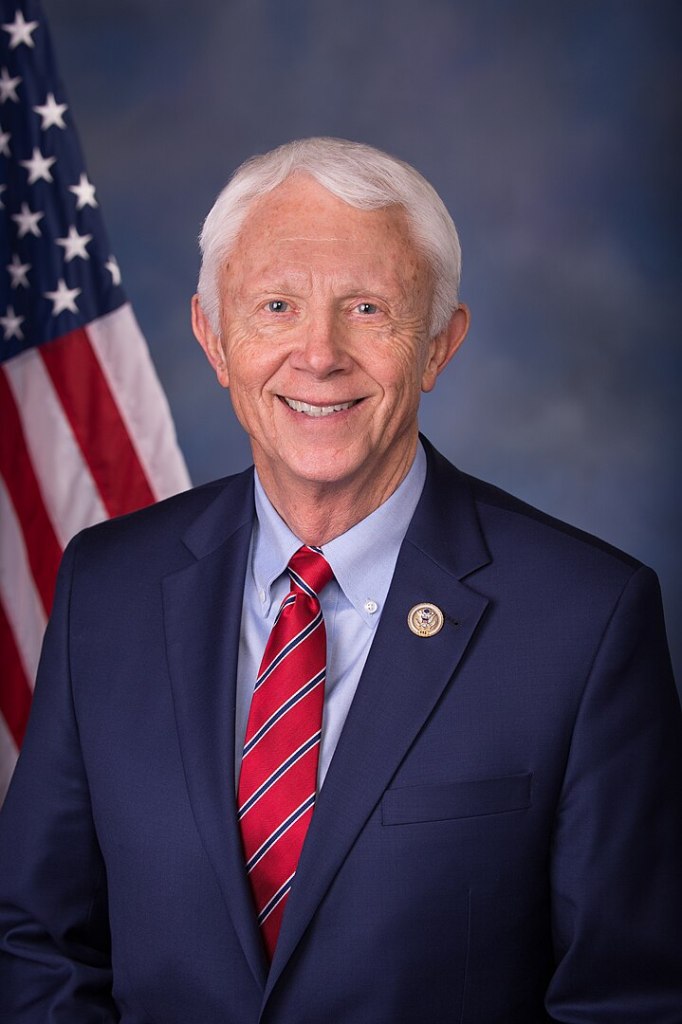
Representative Jack Bergman (MI), along with 5 original co-sponsors [Sarah Elfreth (MD), Kimberlyn King-Hinds (MP), Donald G. Davis (NC), Derrick Van Orden (WI), Morgan Luttrell (TX)] introduced the BEACON Act, H. R. 6993, in January 2026 to transform how the Department of Veterans Affairs treats traumatic brain injuries. The Veterans TBI Breakthrough Exploration of Adaptive Care Opportunities Nationwide Act establishes two grant programs totaling $60 million to fund innovative, non-pharmacological treatments for mild-to-moderate TBI.*
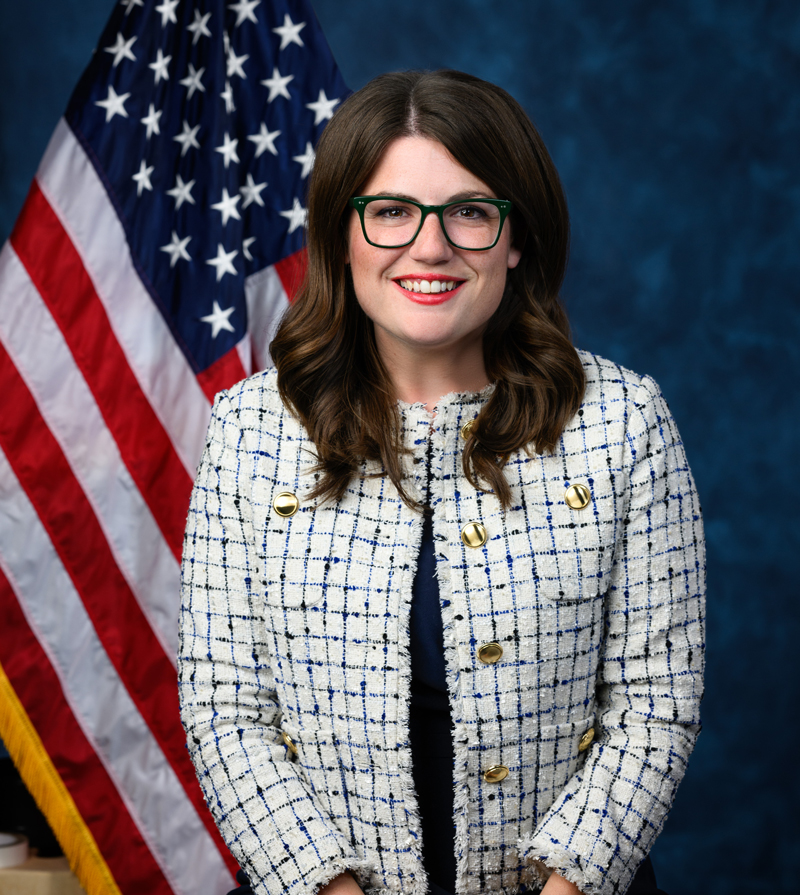
The sponsor of the bill and at least one of its co-sponsors bring personal stakes to this fight. Bergman, a retired Marine Lieutenant General with 40 years of service including Vietnam combat, witnessed how invisible injuries affect service members. Elfreth watched her grandfather – a Korean and Vietnam War veteran – suffer from PTSD, inspiring her earlier success passing Maryland’s David Perez Military Heroes Act.

Veterans often feel “unseen, unheard, and alone” navigating systems that treat symptoms rather than people. The BEACON Act addresses these gaps by funding research into evidence-based alternatives, training clinicians, and partnering academic institutions with VA facilities to bring innovative care directly to veterans.

*Per bill text, the TBI Innovation Grant Program will “award grants to eligible entities… for the development, implementation, and evaluation of approaches and methodologies for prospective randomized control trials for 11 neurorehabilitation treatments for the treatment of chronic mild TBI (mTBI) in veterans.” Additionally, the Act with provide grants for “independent third-party research studies and treatment with respect to supplemental neurorehabilitation treatments of mTBI.”

Critics Likely Magnify Clinton’s Health Issues

In late 2012, Hillary Clinton suffered a concussion because of a reported fainting spell. A few weeks later, a blood clot was found near her brain.  (Her doctors stated that her blood clot has had no neurologically effects.)  These are two things that one hopes to never happen to them; however, concussions do happen to 3.8 million people annually, according to CDC estimates.  A concussion is a mild brain injury.  Her husband, Bill, said that it took Hillary six months to fully recover.  Bill Clinton’s statement is likely true, though no one knows how Bill defines “fully recovered”, as this time table is more akin to the recovery time for a mild stroke.  Mild brain traumas, such as concussion, usually resolve themselves in 2-3 weeks, with full recovery sometimes taking up to 3 months.

Since her campaign began, critics have been doggedly trying to find signs that Hillary Clinton is neurologically unable to handle the job of Commander-in-Chief.  There was much talk about the fact that she stepped off the stage during the commercial break of a Democratic debate and did not return until after the debate had re-started.  My initial thought was that she needed to take a restroom break.  Even though many newscasters had the same conclusion, others followed Donald Trump’s lead by reporting that she had to step away because she was neurologically overwhelmed.  There was talk in the news about her long coughing lapses – in February, during cold weather – being signs of neurological problems.  Donald Trump has stated, “Hillary Clinton does not have the stamina… does not have the strength to be President.  You watch her life… [then] she’ll go away for three, four days…”

A known journalist even wrote, “Hillary still suffers from … blinding headaches, exhaustion, insomnia, and a tremor in her hands.”  This journalist is Ed Klein, who also wrote a book about the Clinton’s that has since largely been discredited.

Please, if one is to say that Mrs. Clinton is not fit to be Commander-in-Chief of this nation, use her political views as the reason, not a manufactured health issue.