Texas Teaches Designated Doctors to See What Brain Scans Miss

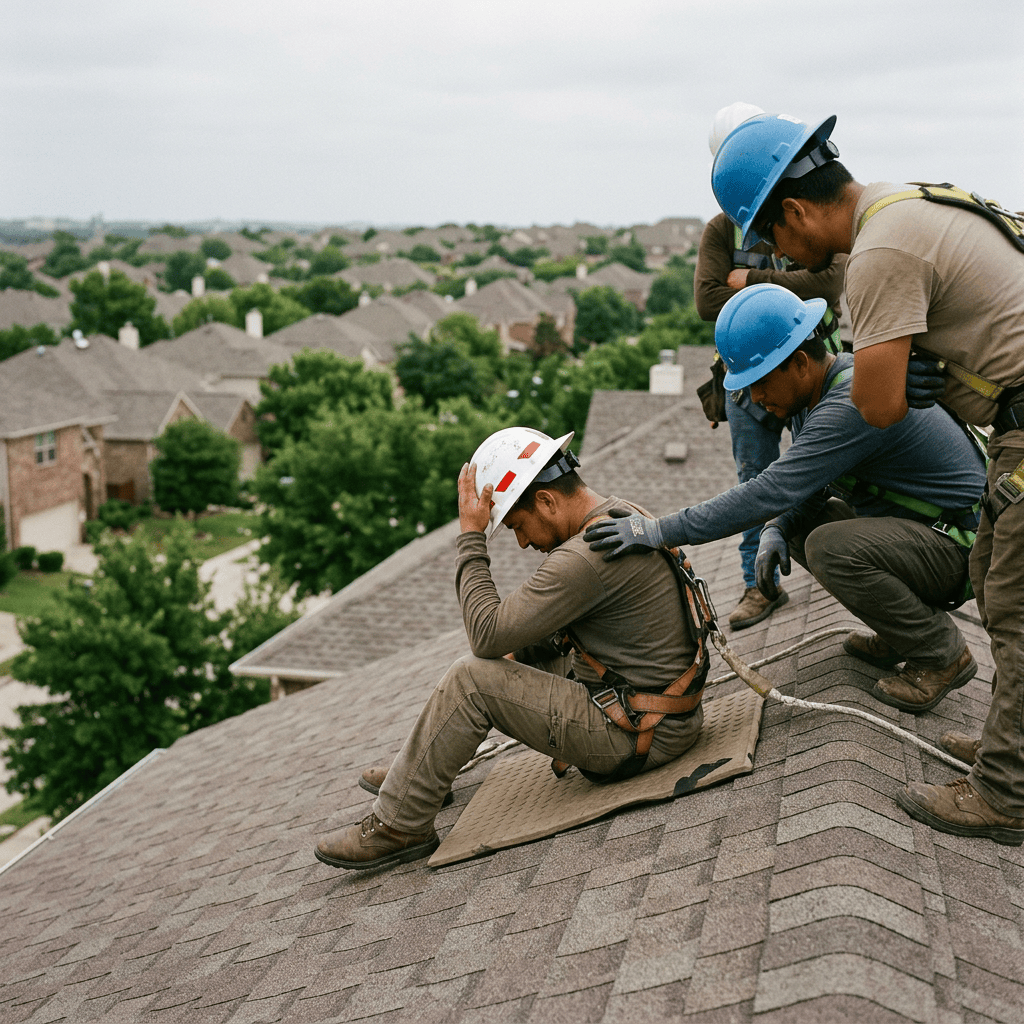
Four roofing workers in helmets and harnesses on a residential roof

A roofer hits his head; they get a clean brain scan; months later, they can’t even retain a short grocery list in their mind. In Texas, doctors are now legally mandated to determine if such issues are the results of a brain injury, depression or something else.

In October 2026, the Texas Division of Workers’ Compensation tackled the issue in a six-part online case study related to non-musculoskeletal traumatic brain injury. Designated doctors were taught to rate impairment, using the AMA Guides to the Evaluation of Permanent Impairment (Fourth Edition, 1993), by performing a physical exam that covers all areas and functions of the brain. Doctors were told to use neuropsychological testing, structured memory, attention and effort test to objectively determine whether TBI residuals exist or if there is an alternate explanation. (Questionnaires like the oft-used PHQ-9, a nine-question depression screen, can result in exaggerated symptoms, and lack built-in checks which can have legal ramifications.)

Other states, including California, train their independent medical examiners in impairment rating, so Texas’s dedicated TBI module is unique. Its stress on objective evidence echoes federal concussion guidance from agencies like the CDC and VA.

OSU Experts Issue First Brain Injury Guidelines for First Responders

Emergency responders review a map beside police, fire, and ambulance vehicles

Police officers, firefighters and paramedics take blows to the head on the job far too often. Acknowledging this, The Journal of Head Trauma Rehabilitation published the first guidelines to follow for police officers, firefighters, corrections officers, EMTs, and others, in relation to workplace policy, prevention, recognition, diagnosis, mental-health monitoring and return to duty. These guidelines were assembled by 52 experts at The Ohio State University, a public research university, recognizes, “While addressing injury prevention, treatment and return to duty, the recommendations also recognize that better outcomes will require education, supportive reporting practices and organizational cultures that enable first responders to identify injuries and access appropriate care,” and made their findings public on October 16, 2026.

Funded by the Department of Defense, the 28 recommendations borrow from those in place for the military and in sports. They advise testing brain function prior to injury, pulling off duty those with a suspected head injury, checking their mental health, and easing them back to work. Seemingly to somewhat counter OSU’s new rules, the University of Pennsylvania reported in September 2026 that after reporting a brain injury, first responders often, “have to go on desk duty. [They] are taken out of [their] job. There are huge [negative] implications.” The OSU report states that many first responders do not report on their suspected injury due to perception of weakness; perhaps it is fear of being removed from their primary duties.