Give Your Brain a Gift: Benefit of Creative Activities in Brain Injury Recovery and Beyond

Creative hobbies strengthen brain health in everyone, but they hold particular promise for those recovering from brain injury. Activities like painting, dancing, music, creative writing, pottery, and even certain video games engage multiple brain regions, enhancing memory, coordination, and emotional well-being.

A 2025 study published in Nature Communications, and found in the NIH dababase, examined brain data from over 1,400 participants across 13 countries and found that creative activities can slow brain aging and promote healthier brain function. Lead researcher Dr. Carlos Coronel noted that “these creative experiences help protect brain connections that are vulnerable to accelerated aging.”

Related to brain injury survivors specifically, creative arts therapies show measurable benefits. As President Franklin D. Roosevelt, who suffered significant neurological issues and found solace in creative hobbies during his recovery from polio, declared: “I owe my life to my hobbies.” 2025 research reports in the Archives of Physical Medicine and Rehabilitation, in the NIH database, note that there is increasing use of creative arts therapy for addressing traumatic brain injury, from intensive care units to home health. Studies demonstrate positive impacts on daily living activities, motor function, and emotional well-being. In fact, the neurological changes following brain injury may actually enhance artistic capabilities through increased neural plasticity and synapse formation.

Crucially, these benefits extend beyond formal rehabilitation. Continuing creative pursuits long-term helps maintain neural connections in everyone, making it essential for survivors to keep practicing their creative hobbies. The holiday season offers perfect opportunities—crafting decorations, creating handmade gifts, baking festive treats, and arranging seasonal displays all provide therapeutic engagement.

From Execution Chamber to Fraternity Basement

When you think of fraternity hazing, the first example that likely will come to mind is excess alcohol consumption or perhaps streaking through campus. Some fraternities, though, may take hazing to an extreme.  On October 15, 2025, a fraternity at New Jersey’s state university Rutgers did just so: a 19-year-old student was electrocuted during fraternity hazing activities involving water, suffering serious electrical burns and lost consciousness. A second student was shocked while attempting to rescue him. (This fraternity has now been closed at the school.)

In 2019, at the University of New Hampshire, 46 students were arrested in 2019 for a “talent show” involving stun guns. Washington and Lee University suspended Phi Kappa Psi for three years in March 2015 after a member used a Taser on a pledge during initiation. Washington and Lee University President Kenneth Ruscio called it “clear physical abuse, harmful enough as it was, but under the circumstances potentially even more dangerous.”

While electrocution consequences may be first thought to be physical, the cognitive impairments from electrical injury can be more disabling.

According to the NCBI, this process disrupts the semi permeability essential to neuronal function, causing ATP depletion, mitochondrial damage, and loss of electrical charge. As with many traumatic brain injury cases, survivors experience impaired episodic memory, struggling to form new memories or recall recent events. Research into 26 electrical injury survivors found 62% showed processing speed deficits—the most common impairment. Another 62% demonstrated auditory memory and working memory dysfunction. Verbal learning suffered in 54%, while 46% had concentration and attention problems, and 35% showed visual memory deficits.

Brain injury occurs even when current doesn’t directly traverse the skull, transmitted via spinal cord myelinated axons and systemic hormonal stress responses. However, with comprehensive neuropsychological testing, psychiatric support, and occupational rehabilitation, the NIH acknowledges that functional improvement remains possible.

HISTORY & LEGISLATION:

As to how electrocution became a known means of torture, it may be good to look though America’s past: electrocution emerged as a death penalty method in 1888, when New York adopted the electric chair as supposedly more humane than hanging. Currently authorized in nine U.S. states including Alabama, Florida, and South Carolina, it has been used in approximately 4,251 executions since 1890. North Carolina Governor Josh Stein called execution by electrocution “barbaric” in October 2025, while Representative Pricey Harrison described it as “gruesome” in September 2025, noting victims are “literally cooked to death.”

Historic Federal Shutdown Resolved as Disability Services Faced Collapse

“The House of Representatives passed the ‘Continuing Appropriations, Agriculture, Legislative Branch, Military Construction and Veterans Affairs, abd Extensions Act, 2026’, with a vote of 222 to 209… after a damaging and unnecessary shutdown that lasted 43 days,” states a press release on the Committee on Appropriations section of the House of Representatives site.

The longest congressional government shutdown in U.S. history ended November 12, 2025, after 43 days, and 15 votes, that threatened the funding of critical services for people with brain injuries and disabilities. The House passed the Senate Appropriations Committee’s spending bill H.R.5371 with a vote of 222-209. President Trump signed the bill into law at 10:25 PM EST.

As was widely reported, the shutdown disrupted Supplemental Nutrition Assistance Program November benefits for 42 million Americans. Nearly 14 million people with disabilities rely on SNAP benefits.  Senator John Fetterman, who suffered a stroke in 2022, was among eight Democrats who voted with Republicans to end the shutdown. He stated: “I refuse to gamble with the food insecurity of 42 million Americans”.

Many financial assistance government programs that benefit the brain injured population are state-based: Supplemental Security Income, employment services, support for independent living healthcare, such as Medicaid and state-specific programs. As such, Social Security Disability Insurance (SSDI) payments thankfully continued without interruption, though other crucial services suffered.

However, many disability advocacy organizations operated “on fumes,” with some stopping new cases entirely. Maria Town, President of the Washington D.C. located nonprofit American Association of People with Disabilities, warned: “Given how many people with disabilities rely on benefits from government programs, this shutdown is especially harmful for the disability community”. The Tennessee Rehabilitation Center in Smyrna closed completely due to lack of federal funding, while Arkansas suspended rehabilitation services starting November 1.

Interestingly, the government shutdown, officially termed a “lapse in appropriations”, was not introduced to the Country as a negotiating “tool” until 1980, during the presidency of Jimmy Carter.  Since that time, most Presidents have weathered these shutdowns. Only two, Ronald Reagan and Donald J. Trump, weathered 3 shutdowns while in office. If history is to be the guide, this government inaction will soon be forgotten, which is both a positive and great negative for America’s well-being.

The Bard’s Brain

Shakespeare never stepped inside a university, yet his plays read like a Renaissance neurology textbook. The bumbling Falstaff in Henry IV Part 2 describes what sounds remarkably like a stroke—a brain injury that also causes paralysis. Julius Caesar suffers epilepsy, a condition that can result from brain injuries, while King Lear’s descent into dementia with Lewy bodies remains heartbreakingly accurate. The Bard also depicted Parkinsonism, sleep disorders, headaches, and even prion disease with stunning precision. The NIH has examined Shakespeare’s neurological accuracy through peer-reviewed studies, with major analyses published in 2010 and 2013 documenting these portrayals from an era when brain injuries were poorly understood. Here’s the jaw-dropper: Jean-Martin Charcot, the father of modern neurology, “frequently used Shakespearean references in his neurological teaching sessions, stressing how acute objective insight is essential to achieving expert clinical diagnosis”. Living when people thought demons caused seizures, Shakespeare captured the devastating reality of neurological conditions with clinical precision that earned recognition from neurology’s greatest minds. His genius wasn’t just wordplay—it was observation that would make modern neurologists jealous.

Recognizing the Ongoing Struggles of America’s Brain Injured Workers

Labor Day, first celebrated on September 5, 1882, in New York City, honors American workers’ contributions to the nation’s strength and prosperity. The holiday gained federal recognition when President Grover Cleveland signed legislation in 1894, making the first Monday in September a national holiday. Yet for the estimated 5 million Americans living with traumatic brain injury (TBI) disabilities, the promise of meaningful work remains frustratingly elusive.

TBI survivors face unique employment barriers that make Labor Day bittersweet. Cognitive impairments affect memory, attention, and problem-solving abilities, while physical symptoms include fatigue, headaches, and coordination problems. The CDC notes that “some symptoms may affect a person’s ability to do their normal work activities,” highlighting how these invisible disabilities create substantial employment obstacles.

The statistics paint a stark picture: only 34% of TBI survivors maintain stable employment three years post-injury, according to TBI Model Systems research. In August 2025, the CDC laid out factual, but not statistical, “TBI in the Workplace Facts”.  For example, while some TBI survivors may not be able to ever return to work, many others who attempt to return to work encounter workplace discrimination, inadequate accommodations, and employers who misunderstand their capabilities.

The federal government has responded with several initiatives. The Office of Disability Employment Policy “provide[s] leadership, develop[s] policy and initiatives and award[s] grants furthering the objective of eliminating barriers to the training and employment of people with disabilities.” In a 2025 DOL Missouri’s Division of Workers’ Compensation conference, they affirmed that “individuals with brain injury can and do return to work with appropriate support and rehabilitation.”

However, significant gaps remain. Enhanced employer education about TBI, expanded transportation options, increased funding for vocational rehabilitation services, and recognition of brain injury as a chronic condition requiring long-term support are essential steps toward ensuring that Labor Day truly celebrates all American workers, including those whose injuries may be invisible but whose contributions remain invaluable.

Great Advocate Passes Away: Rosalynn Carter

Less than a week ago, America lost not only its oldest former First Lady, but also a prominent advocate for the mentally ill.  Rosalynn Carter was 96 when she passed at her and her husband’s home in Georgia.  From the time of President Jimmy Carter’s first run for Governor of Georgia until her death, a timespan of over 50 years, she worked to better the treatment of and end the stigma against mental illness. 

Although the definition goes beyond this, the National Institute of Health, in 2022, stated, “Traumatic brain injury (TBI) is associated with a host of psychiatric and neurobehavioral problems.”  While, traditionally, a traumatic brain injury is considered to be a separate entity from mental illness, the possible symptoms are similar, if not identical.  Ms. Carter likely considered it so, as speaking about her advocacy, she has mentioned visiting facilities/institutions that housed troops who suffered from PTSD and TBI.  In a discussion at the JFK Library, she noted a Columbia University study that stated that 85% of Americans consider mental illness to be a neurological illness.  If nothing else, traumatic brain injury is a neurological illness.

As President, Jimmy Carter enacted the greatest overhaul of the mental health system in America to date.  The next major expansion of the system was enacted in 2002, by President George W. Bush.  Ms. Carter has only positive statements about this action, as she put cause above party.  In 1987, Ms. Carter founded the Rosalynn Carter Institute for Caregivers, saying, “Those giving care often do so at a great personal sacrifice of time, energy, and income… So many people giving care to their loved ones feel isolated, inadequate, despairing.  At a time when more and more Americans are called to give care, it is critically important that we do all we can to support caregivers.” Recently, in May 2023, it was revealed that Ms. Carter was suffering from dementia.

The private funeral for Ms. Carter will be held on Monday, November 27th in Plains, Georgia.  Her husband of more than 77 years, who is receiving home hospice care, will be in attendance, as will her children, grandchildren and great-grandchildren.  Americans should remember Rosalynn Carter, not only for her time as First Lady, but for her advocacy for mental illness, including traumatic brain injury, and their caregivers.  (“In lieu of flowers, the Carter family is requesting that those interested consider contributing to the Carter Center’s Mental Health Program or the Rosalynn Carter Institute for Caregivers.”) 

R.I.P. President George H.W. Bush

Today, at 11:00am ET, former Presidents, dignitaries, family members and others pay tribute to the 41st President of the Unites States, George H.W. Bush.  For the purpose of this website, it is a day to remember all that President Bush did for those with brain injuries, and for those with disabilities, at large.

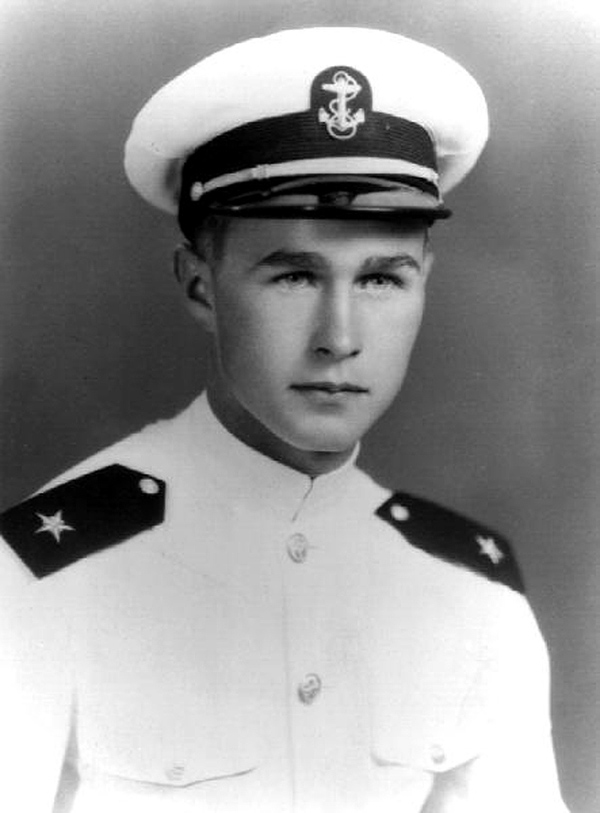
President Bush was America’s last president to serve in the military overseas at war.  (President Clinton, President Obama and President Trump did not serve.  President George W. Bush served stateside as a pilot during the Vietnam War.)  Specifically, as a 20-year-old man, he served as a pilot in the Pacific during World War II.  As detailed in the book Flyboys, on September 2, 1944, while targeting a Japanese radio transmitter on the island of Chichijima, his plane was shot over the Pacific Ocean.  Bush did not abandon his plane, instead continuing to fight until his plane went down.  One source states that his injuries from this combat tragedy, that took the lives of many of his squadron, included “bleeding from a headwound”.

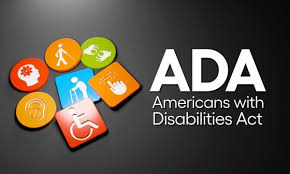
“Why had I been spared and what did God have in store for me?… there’s got to be some kind of destiny and I was being spared for something of Earth,” Bush later said about his trauma in WWII.  For those with disabilities, part of that reason was definitely his signing of the American Disabilities Act on July 26, 1990.  Modeled after the Civil Rights Act of 1964, the ADA aimed for equal opportunity for those with disabilities.  While a list of what impairments constitute a disability is not defined in the Act, a disability is defined as, “a physical or mental impairment that substantially limits one or more major life activities of such individual.”  These limiting impairments include, “functions of the… neurological, brain…”

Following his presidency, President Bush continued to support those with brain injury.  For example, in 1996, President Bush created a PSA for the Pediatric Brain Injury Prevention Campaign.  Prior to the PSA, the Campaign had no association with President Bush.  He agreed to do the PSA simply based on a request submitted through letter.

Recently, President Bush suffered through his own trauma – vascular Parkinsonism.  Thought to be caused by a multitude of mini strokes, vascular Parkinsonism is so named because it shares many of the characteristics of Parkinson’s disease.  (Some dispute this correlation, as Parkinson’s can be helped by medication, but vascular Parkinsonism cannot.)  On Friday, November 30, 2018, President, Vice President, Congressman and CIA Director Bush passed away.  After his funeral, his body will travel to Texas where he will be laid to rest next to his wife of over 70 years, Barbara and his young daughter Robin.  For the disabled, his legacy of the ADA will continue.

The Positive Side of Brain Injury (What?)

When I was in brain injury rehabilitation, all I knew and strived for was to return to my “old self”.  I saw my disability as an almost impassable obstacle in the road of my life, filled with negative consequences.  However, more recently, I have identified mental growth in myself due to my injury.  Researching into this, I discovered the idea of post-traumatic growth (PTG):

Brain injury is a life-changing event.  For those who have or know someone who has a brain injury, the effects of it are all too apparent and can include such things as post-traumatic stress disorder, depression, etc.  The negative effects of brain injury are what is published and talked about but are too numerous to list entirely in this article.  What is less discussed, though, is that brain injury can also have a positive effect and be, “a catalyst for positive change,” in an effect known as post-traumatic growth (PTG).

PTG was first recognized as a theory in 1995 by Richard Tedeschi, PhD and Lawrence Calhoun, PhD, both from The University of North Carolina at Charlotte, as something that lets survivors see “new opportunities as possible in life, an increased sense of personal strength, a greater appreciation for life in general and a deepening of spiritual life,” among other such positive effects.  In this millennium, the idea of PTG has gained popularity and has been further explored.  In 2015, for example, the NIH published a study that found that while effects of brain injury related to employment, depression, relationship status, one’s subjective beliefs about their own post-injury recovery and other such factors do have an effect on the possibility of developing PTG, none of them have a large effect on it.

Perhaps the greatest way to study the development PTG is to study the emotional effects that can result from brain injury, such as the best predictor of PTG: “having a high level of ‘purpose’”.  Some studies report that 30 to 80 percent of those with a brain injury identify themselves has having some form of PTG.  While other studies find this percentage lower, the subjective belief of having grown from a brain injury is something that the NIH finds a good predictor.  Believing in yourself is necessary to grow.

Rehabilitation facilities have started to promote this mental growth into rehabilitation, as the theory of PTG has become more widespread.  This year, a study titled Post-traumatic growth in adult survivors found, “a greater understanding of the development of PTG following ABI may help rehabilitation clinicians to promote better adjustment by focusing on a clients’ potential.”  Also this year, a study called The relations between post-traumatic grown and return to work following mild traumatic brain injury discovered that PTG also occurs in those with mild brain injury.  According to the NIH report, this has, “important implications for rehabilitation planning, individual and family adjustment, and the prediction of long-term outcome as it pertains to return to work, in particular.”

KO the KD? Results of Keto Diet for TBI Inconclusive

“Dinner today is going to be a big steak and, for dessert, a huge bowl of ice cream.”

The above meal may seem like a recipe for weight gain, but it is also a meal in tune with the ketogenic diet.  A diet trend for about a decade, the ketogenic diet (KD) seeks to, “mimic biochemical changes associated with starvation,” states the NIH. The basic idea of this diet is to limit the carbohydrates one consumes, and eat a diet of 80 – 90% fat, in order to put the body into a starvation state.  This extreme limitation of foods that are turned into glucose means that the metabolic source used for energy production must be changed by the body, so that it goes into a ketonic state.

People with chronic diseases/conditions have said that KD promotes their overall health, reduces their symptoms, slows their diseases progression and even may be a treatment for it.  In a 2008 study, titled Diet, Ketones and Neurotrauma, scientists noted, “This altered dietary approach may have tremendous therapeutic potential for both the pediatric and adult head injured populations.”  Since that time, over 20 studies have been done that show that KD both helps you lose weight and improves your health.  This year, in fact, the NIH reviewed past studies and performed new animal studies that showed, “The KD is an effective treatment for TBI recovery in rats and shows potential in humans… [however] the human trials did not establish much evidence with respect to the KD as a treatment for TBI.”  Again, the NIH concluded that further research is needed.

What has been determined is that the ketogenic diet is beneficial for some people who have particular neurological disorders – specifically children with epilepsy.  As far back as 1921, the KD diet was used as a treatment for epilepsy in children with positive results.  Since the diet is very strict it may be the last option, but it is still an option, especially for epilepsy – a disorder that can be caused or exasperated by traumatic brain injury.  Additionally, it seems that the ketogenic diet may be beneficial for treatment of diabetes, as it lowers blood sugar.  Diabetes has been shown both to be a possible consequence of brain injury or a possible cause of brain injury.  Even if a brain injury is not involved, the symptoms of hyperglycemia, the identifying mark of diabetes and other disorders, mimic those of TBI.  In fact, “Among the secondary complications, hyperglycemia (both peak glucose and persistent hyperglycemia) in TBI patients is one of the most common and correlates with the severity of the injury and clinical outcome.”  (However, the Cleveland Clinic notes that, “Eating a lot of sugar can lead to tooth decay, but it does not cause diabetes.”)

In reality, most people will embark on a diet at some point in their lives.  Even with all this inconsistent evidence, the ketogenic diet is still on trend, largely because of celebrity endorsements by such people as Kim and Kourtney Kardashian, Halle Berry, Gwyneth Paltrow and LeBron James.  Be aware though, that whenever you intake a greater amount of calories than your body needs, you will gain weight.  And even if you intake the correct number of calories, but not the right nutrients, your body will suffer.  This is even more true for those with severe and/or ongoing disorders/diseases, such as brain injury.

Preventing Pesticides from Killing Bugs and Brain Cells

A pesticide is “any substance used to kill, repel, or control certain forms of plant or animal life that are considered to be pests.”  No one denies the harm in ingestion of a pesticide.  However, the legality of using certain chemicals in pesticides has been long debated – at present, the chemical chlorpyrifos is of particular concern.

An active ingredient in some pesticides since 1965, chlorpyrifos is “used primarily to control foliage and soil-borne insect pests on a variety of food and feed crops.”  A Google search shows that it is sold under a variety of brand names.  In the past few years, chlorpyrifos has been a focus of concern because of a government-supported study conducted by the Columbia Center for Children’s Environmental Health at Columbia University.  One of the findings of this study confirms, “Children with high pesticide exposure cluster together to form a distinct behavioral phenotype… Cognitive and behavioral deficits associated with this phenotype may be mapped to alterations in brain regions and function.”

Legislation related to pesticide control was first introduced in Congress over a century ago in the Federal Insecticide, Fungicide, and Rodenticide Act.  Since its enactment in 1910, this legislation has been amended and new legislation regulating pesticide use has passed, such as the Food Quality Protection Act in 1996.  In November 2015, the EPA, with former head Gina McCarthy, proposed a ban on the use of neurotoxic chemical chlorpyifos on all food crops.  What then happened to this proposal is unclear.

During the tumultuous tenure of former EPA head Scott Pruitt, in 2017 and 2018, chlorpyrifos came to the pesticide forefront.  In 2017, Pruitt refused to sign off on a ban of the use of chlorpyrifos as a pesticide on food crops.  This decision, many say, is a sign of Pruitt siding with the “Pesticide Lobby”.  Groups such as the Environmental Working Group (EWG) have denounced and fought against Pruitt’s action, noting that, “The evidence is overwhelming that even small doses of chlorpyrifos can damage parts of the brain that control language, memory, behavior and emotion.”  Finally, last month, Pruitt’s decision was reversed by the United States Court of Appeals for the Ninth Circuit – the EPA now bans the use of chlorpyrifos on food crops.

While the above decision is a victory for food safety, the results of this legislation are not immediate.  Additionally, fruits and vegetables must still be washed before eaten both to eliminate any residual pesticide and to better the taste.  On the positive note, though, the EWG notes that, “the agency [has] put children’s health, strong science and the letter of the law above corporate interests.”