
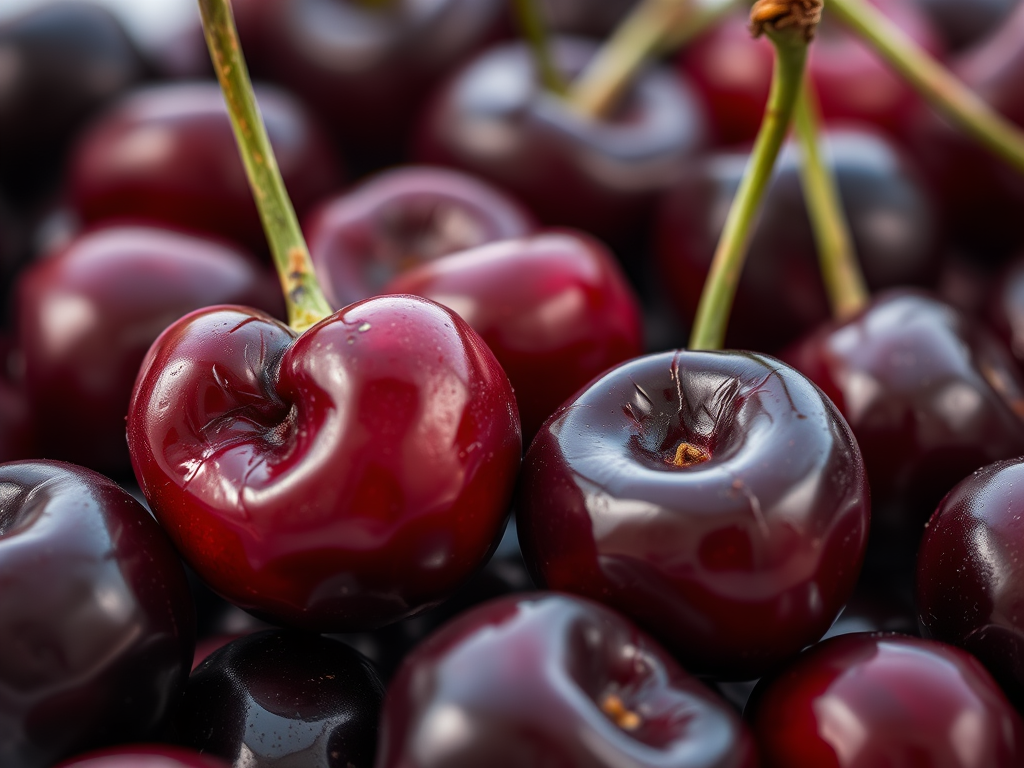
A small red fruit that appears in various forms throughout the year is more than simply a tasty treat. Cherries pack natural pigment, known as anthocyanins, melatonin, and quercetin that cross the blood-brain barrier, reduce neuroinflammation, and protect injured neurons. It has long been known that anthocyanins cut brain injury volume by up to 27%, with anti-inflammatory potency similar to that of ibuprofen. Three more recent human randomized controlled trials also confirmed measurable improvements in memory, attention, and mental fatigue after daily tart cherry juice consumption.
These neurological improvements, highly beneficial to those with brain injuries, include a 23% reduction in memory errors in one 12-week. The NIH’s National Academies Press identified polyphenols found abundantly in cherries as interacting with neuronal survival pathways after traumatic brain injury (TBI). A 2025 review in Nutritional Neuroscience concluded that these compounds lessen neuroinflammation and oxidative stress following brain injury. An earlier comprehensive USDA-supported review of 29 human cherry studies also found cherry consumption decreased oxidative stress markers in 8 of 10 studies and reduced inflammation in 11 of 16 studies.
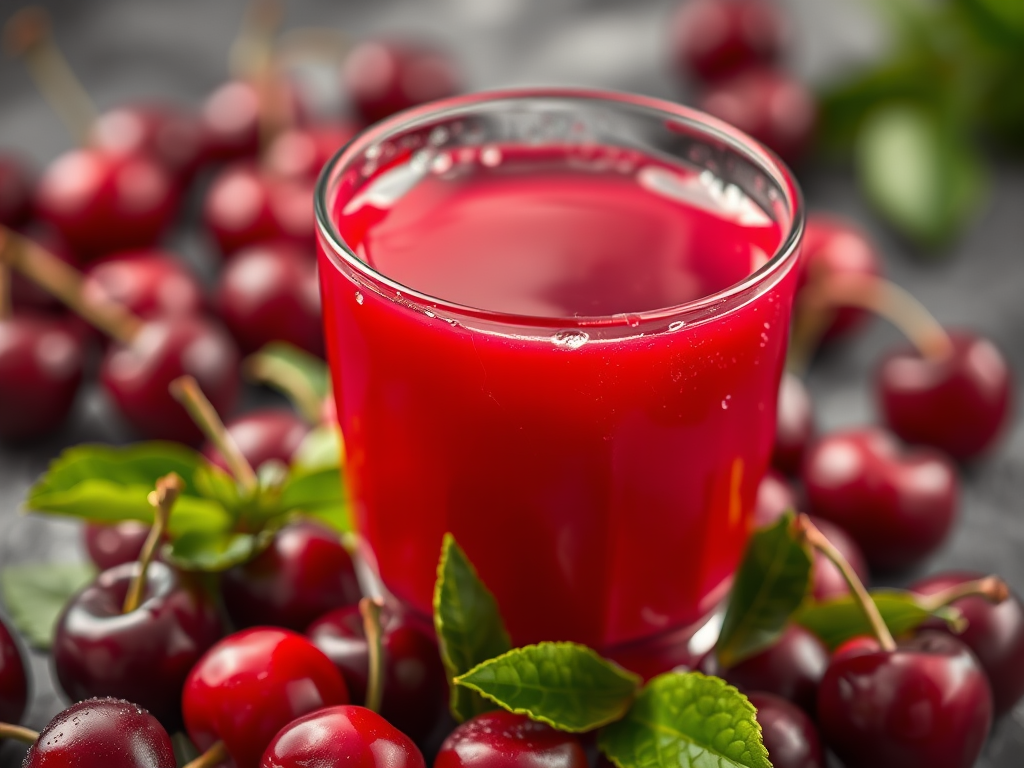
However, studies show that not all cherries deliver equal benefits. Montmorency tart cherries provide the highest benefits, though dark sweet varieties also carry high anthocyanin levels. Cherries also do not need to be eaten raw to be advantageous. Liquefied tart cherry juice concentrate has proven to be the most clinically validated form, though cherries that have been cooked retain significant amounts of active compounds. When frozen, cherries still provide these benefits, as they preserve 90–95% of polyphenols.
*Beyond delicious cherry pie, recipe research shows me that cherries are a feature in numerous recipes that are well-suited for every time of the day. For breakfast, for example, try cherry overnight oats (rolled oats, frozen cherries, ground flaxseed, and almond butter) which requires zero morning prep and provides steady brain energy. A cherry-chocolate brain smoothie is a good snack (tart cherries blended with cocoa powder, spinach, chia seeds, and almond milk) that delivers anthocyanins and omega-3s in one glass. For TBI-related sleep disruption, tart cherry turmeric bedtime tea (cherry juice simmered with ginger, turmeric, and chamomile) supports both natural melatonin production and neuroinflammation recovery simultaneously.
 TBI on the Hill