
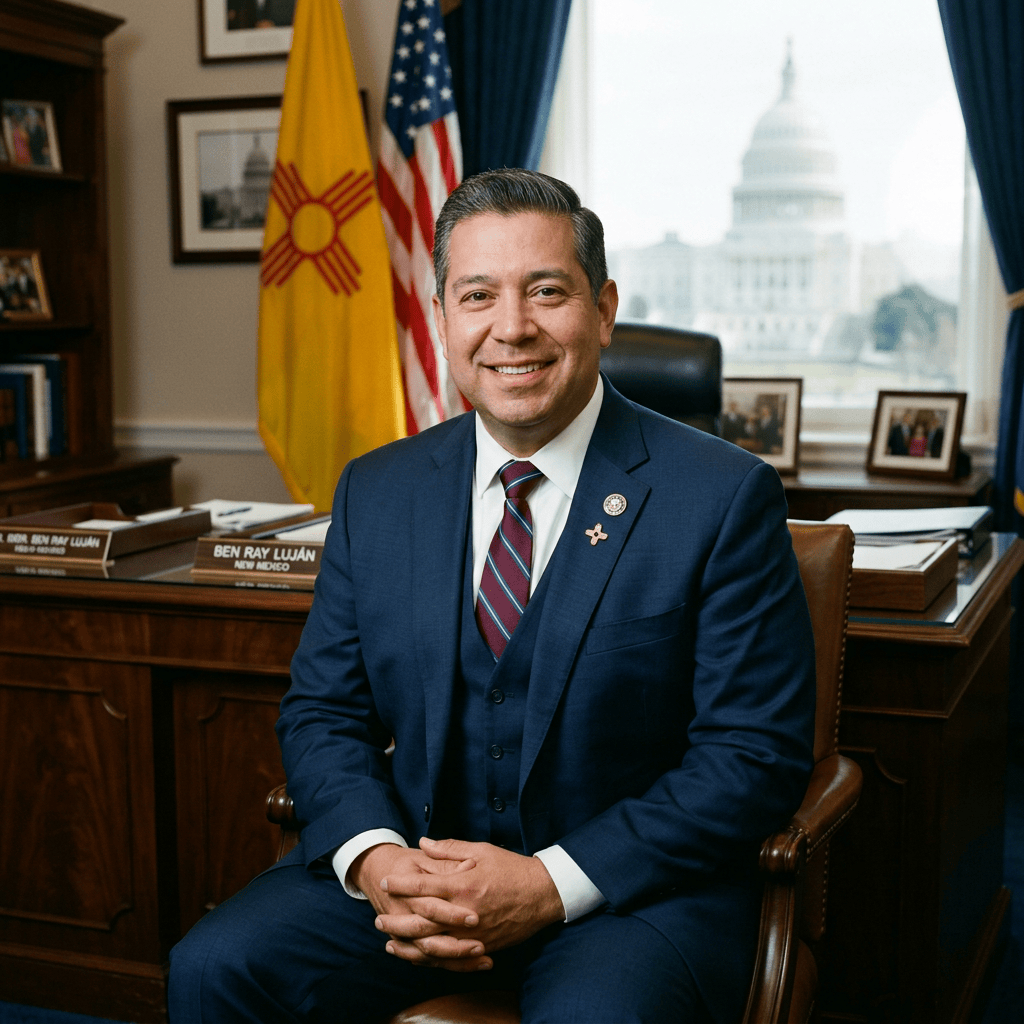
“Someone dies of a stroke every 3 minutes and 14 seconds in the United States,” states the CEO of the American Heart Association.” Every second matters when someone experiences a stroke,” Senator Ben Ray Luján (NM) confirms. Luján is himself a stroke survivor, as in 2022 he survived a cerebellar stroke that required emergency brain surgery. On August 5, 2026, he introduced S.5260, the Stroke Act. “I know firsthand how critical it is to receive the right care at the right time.”
The Stroke Act aims to improve stroke care, research, data collection, and prevention nationwide. The bill would authorize $25 million per year through 2032 for NIH research, a CDC national stroke registry, systems-of-care grants, and a public education campaign. Significantly, it is not the first such effort; it follows decades of stroke legislation, including the STOP Stroke Act and the FAST Act.
The current bill has been endorsed by the American Heart Association, in addition to 10 co-sponsors. Though the co-sponsors, including Senator Fetterman, himself a stroke survivor, follow party lines, no opposition to S.5260 has been documented. Upon being introduced, the bill was referred to the Committee on Health, Education, Labor, and Pensions; no further action on the bill has been taken because of Senate’s August recess.

