America’s BRAIN May Increase In 2017

In 2009, President Obama told the press that his administration will “restore science to its rightful place.”  A list of 100 examples of this “restoration”, called the IMPACT REPORT, was published on June 21, 2016 by the White House press office.  Example #45 on this list is the April 2013 launch of the BRAIN (Brain Research through Advancing Neurotechnologies) Initiative, which was begun in order “to develop neuro-technologies [to] uncover new ways to treat, prevent, and cure brain disorders such as Alzheimer’s, Parkinson’s, schizophrenia, autism, epilepsy, and traumatic brain injury.”  This Initiative, funded jointly by the Federal government and private enterprises, was news when it first was started, but since then there have been few stories in the news and few statements from Obama himself discussing the Initiative’s studies or its findings.

Despite the lack of discussion about the program in the media, online you can find the benefits of the Initiative and its recent, but limited, successes.  In March of this year, Obama proposed to increase the “Federal investment in the BRAIN  Initiative from $300 million in fiscal year 2016 to $434 million in fiscal year 2017.”  (In fiscal year 2013, when program started, BRAIN’s budget was $100 million.)  Though the 2016 budget of $300 million seems high already, for the extensive studies the Initiative does, $434 million may be more appropriate.  This funding for BRAIN has been provided by 5 federal agencies, DARPA, NIH, NSF, IARPA, and FDA, who also run the studies.  In 2017, the President plans to increase this to 6 federal agencies, by adding the Department of Energy.

In looking through the National Institute of Mental Health, a subset of the NIH, BRAIN Initiative’s Science News page, I found only 4 press releases for 4 studies completed since 2013.  Presumptively, that is because comprehensive medical studies often take years to complete and/or more completed study results can be found on other government websites.  More financing may mean that the program can start and eventually complete additional studies, perhaps more quickly because it can add more manpower.

The study I found most intriguing was a study funded both by BRAIN and the Human Connectome Project, and completed in 2015, titled “Our Brain’s Secrets to Success”.  This study examines the cortex of 461 volunteers to see “how the human brain contributed to our success.”

As of July 7, the program has reported the results of one study in 2016, “Ketamine Lifts Depression via a Byproduct of its Metabolism,” with the purpose of finding a new, more effective anti-depressant by using metabolite, a byproduct of ketamine.  (Ketamine is already being used for this purpose in many hospitals.)  The results of this study, published in May, found that ketamine’s use as an antidepressant worked well in rats, but, while human trials with ketamine quickly relieved patient’s depression, it did not have lasting effects.


Patriotic Day Can Traumatize America’s Patriots

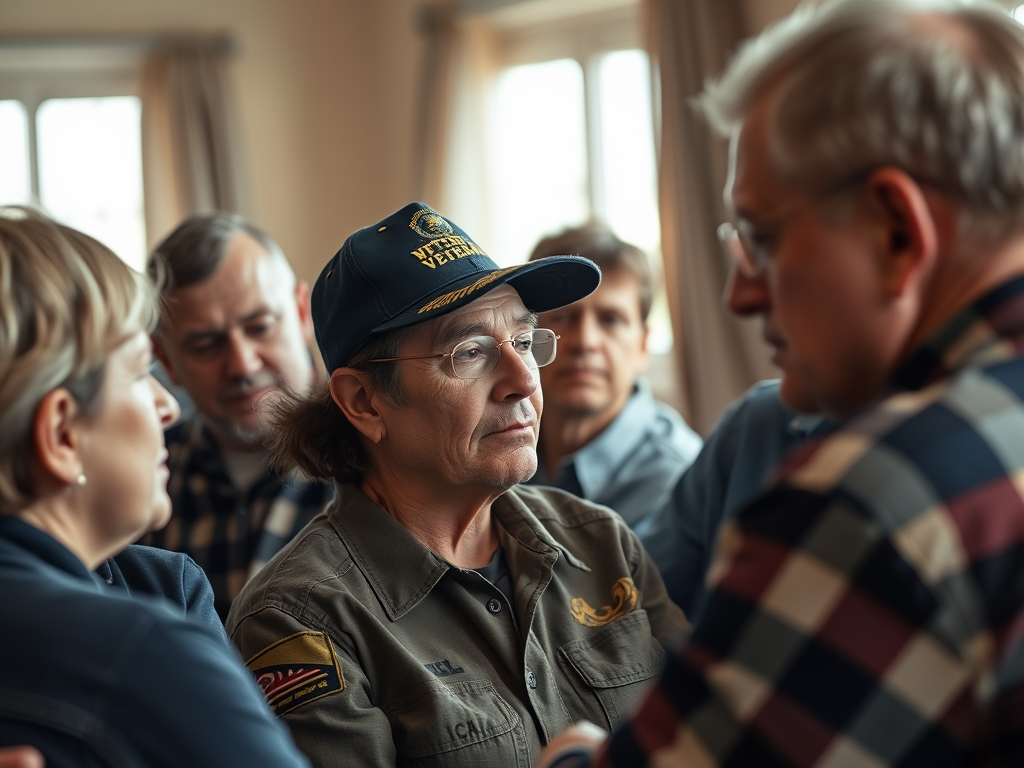
Fireworks may be the signature event of the 4th of July, but for those veterans who showed their extreme patriotism by serving on the front line, it may be the most emotionally painful day of the year.  Research findings differ, but up to 20% of the more than 2.5 million veterans and troops who have served in Iraq and Afghanistan are believed to have developed PTSD.  “With PTSD, it’s an invisible wound.  It’s a real physical change in our brain,” says Jeremy Clark, a former technical sergeant for the US Air Force who has both PTSD and TBI. He served in Iraq and was traumatized by the explosions of 14 roadside bombs during his service.  Sam Deeds, a Marine Corps vet, says, “It’s like I’m getting blown up all over again.”  As of 2016, there were free yard signs to veterans that say “Combat veteran lives here, please be courteous with fireworks.”

For non-veterans, fireworks can still be dangerous.  The purchase of fireworks is illegal in some states and, even in states where the purchase of fireworks are legal, they should not be lit without proper knowledge on how to prevent injuries.  According to the Consumer Product Safety Commission, 230 people a year “celebrate” Independence Day with a visit to the emergency room because of fireworks-related injuries.  To prevent injury from happening, the non-profit National Council on Fireworks Safety and the US Consumer Product Safety Commission both have instructions on how to use firework as safely as possible.

(In this post, I have talked about the dangers of fireworks.  However, I think most veterans would say that fireworks are both a patriotic and enjoyable way to celebrate Independence Day.  They probably wish they could still enjoy the fireworks on July 4th.  Clark and Deeds have both found ways to prevent the noise and visuals that lead them to an automatic fight-or-flight reaction.  I very much hope that vets with this issue can find ways to enjoy the holiday without exposing themselves to triggers.)

Trump & Sanders Ignore Woodruff’s Vets/TBI Letter – Clinton Responds

In 2006, Bob Woodruff was a star in the field of news reporting.  He had just earned the position of anchor of ABC’s renowned news show World News Tonight.  Being a diligent journalist, in January 2006, he traveled to Iraq to report on the ongoing war.  Then the unforeseeable happened: He and cameraman Doug Vogt stepped on a roadside bomb that then exploded.  The two men were immediately taken to the U.S. Air Force hospital south of Balad where Woodruff had head surgery to remove the most severely damaged parts of his skull.  Following his time in Iraq, Woodruff was transferred briefly to Germany, then to America.  In a hospital in Maryland, Woodruff was put in a medically induced coma for 36 days and finally, in March 2006, was transferred to a hospital in his hometown of Westchester, New York.

After this incident, Woodruff took a break from news reporting to recover and then in 2007 returned.  However, like many of those with TBI, he went back to his “old life” too quickly.  He was not successful in news reporting, forgetting words and similar things that happen to those who suffer a brain injury.  (Personally, I don’t think Woodruff was wrong for trying to go back on air when he first did.  He remembered what he loved to do and pursued it.  If he hadn’t done this, it would have haunted him forever and, more importantly, he wouldn’t have known what he had to improve before he could return to the air again.)  However, in time, he was able to return to work as a journalist and, “since then, he has reported from around the globe on a variety of subjects for the [ABC] network.”

It’s good to remember that, with every brain injury, there is something positive that comes out, whether it be one thing or many, whether it be in business, family, etc.  For Woodruff and his wife, Lee, their personal experience with brain injury allowed then to understand some of the struggles that veterans with TBI, PTSD and other neurological injuries face, leading them to found a nonprofit focused on veterans and brain injury, the Bob Woodruff Foundation (bobwoodrufffoundation.org).  The mission of this foundation is to “stand up for heroes so that we can find, fund, and shape innovative programs that help our impacted veterans, service members and their families thrive.”  The more than $30 million donated to the Foundation has been used to fund education and employment, rehabilitation and recovery and quality of life.

In January 2016, Woodruff sent a letter to presidential candidates Hillary Clinton, Bernie Sanders and Donald Trump.  To date, the only candidate that has responded to this letter is Clinton.  For Mr. Trump, the lack of response is particularly surprising, as he often talks about how America needs to rebuild the military and says the VA is “absolutely unacceptable”.  As an American and a brain injury survivor, I am quite interested in the responses of Trump and Sanders to Woodruff’s questions.

Link: TBI Statistics Op-Ed

Today, I found a story, Brain injury: A public health crisis in the spotlight, that encapsulates many of the statistics and information surrounding brain injury within the public and government.  This article, an opinion piece that is filled with facts, is linked to in this post and can be later found on the “Brain Injury Statistics” page of this site.

Former Soccer Star Races Towards Congressional TBI Goal

There is a reason soccer is called football in other nations.  Much like American football, soccer requires getting the ball into a goal and preventing the other team from doing the same.  Such action requires exceptional offense and defense, which often includes certain violent maneuvers that are allowed under sports rules.

Briana Scurry, a two-time Olympic gold medalist in women’s soccer and a World Cup winner, knows this all too well.  In 2010, as the goalkeeper of the Washington Freedom, she “took the knee of a Philadelphia Independence forward to her temple at full velocity during a Women’s Professional match.”  The injury changed her life and ended her soccer career.  However, it also created a new career plan for her – advocate for brain health, particularly women’s brain health.

In 2015, U.S. Soccer banned heading in soccer for children under 10 and limited heading for children 11 to 13.  (Ages when children’s brains are still developing.) This was much needed because, as the Institute of Medicine and the National Research Council has confirmed, “young athletes in particular face a ‘culture of resistance’ when it comes to reporting and treating concussions”.  (Scurry also supports mandating that players wear headgear when they play.)  This action was partially brought to their attention by Scurry because, rightly so, “She sees herself as an advocate for women’s health, especially in relation to concussions and traumatic brain injury.

This past week, Scurry, with Joanne Finegan, Alison Cernich, Yelena Goldin, Mike Colson and Rosemarie Scolaro Moser, all whom are traumatic brain injury advocates, and joined by Rep. Bill Pascrell (NJ), the head of the Congressional Brain Injury Task Force, spoke at the “Women and Traumatic Brain Injury: A Frontier Yet To Be Explored” conference at the Rayburn House Office Building in Washington D.C.  (Scurry also testified before Congress on the same issue in 2014.)  At this conference, Scurry told her story, including her accident, recovery and her ongoing struggles.  “Scurry hopes that her testimony… will help members of Congress understand the dangers and resulting issues of brain injuries… [and] take charge in making moves to change the way things… are conducted.”  This includes changing the knowledge of doctors who once told her things like, “You can’t possibly have post-concussive syndrome anymore because it’s been too long.”  Obviously these doctors were wrong, because they were uneducated about brain injuries.

Hopefully, her testimony will help educate doctors and the public about what a concussion can do to your brain.

Statistical note:

According to the NCAA, in soccer, females are at a 2.1 times greater risk of getting a concussion than males and later have more concussion symptoms, including, but not limited to, poor concentration and increased fatigue.  (More information and statistics can be found in the online NCAA article Do Female Athletes Concuss Differently than Males?)

Targeting TBI Pain

Earlier this week, Lpath, Inc. was awarded a $1.45 million grant by the Department of Defense to conduct further preclinical studies of a medication intended to ease the pain associated with traumatic brain injury.  The pill, Lpathomab, “is a first-in-class, humanized monoclonal antibody targeting lysophosphatidic acid”.   To date, Lpathomab has only been tested in animals and humans who have not suffered a TBI, both with positive results.  Presumptively, these new funds will help them test its effects in the people that it is intended to help.  This new government grant, with its potentially positive implications, resulted in the Lpath stock rising by 62% earlier this week.

VA Recognizes TBI Mistake: Positive, But Possibly Too Late

According to the Defense and Veteran’s Brian Injury Center (DVBIC), a cooperative between the Department of Defense and Veteran’s Affairs, “Traumatic brain injury (TBI) is a significant health issue which affects service members and veterans during times of both peace and war.”  Given that the military recognizes that traumatic brain injury (TBI) is a major problem, it is a shock that, since 2007, 25,000 veterans who are now known to suffer from traumatic brain injury were not initially diagnosed and treated for TBI.  (Tested by doctors who have been found to be unqualified, these veterans were diagnosed with post-traumatic stress disorder (PTSD).  PTSD is terrible, yes, but more treatable than TBI.)

Through this major error, tens of thousands of veterans were not given the appropriate medical and financial help they needed and deserved.  Fortunately, the military now realizes its mistakes and can rectify them and prevent them from happening again.  For many veterans, who have struggled for years to get the military to recognize its difficulties, though, is it too little, too late?

(To learn more about TBI and the military from past service members, visit http://www.disabledveterans.org/.)

Restoring or Remodeling (?) Your Memory

Since the launch of the BRAIN Initiative in 2013, DARPA, the Pentagon’s Defense Advanced Research Projects Agency, has been researching the functionality of the brain though the Restoring Active Memory (RAM) program.  With a $40 million grant, the program, led by UCLA and UPenn, has been trying to “develop a neural prosthesis” to help restore the memories of the 1.7 million American civilian and 270,000 military personnel who suffer from (rather than afflicted by, as they term it) memory loss as the result of a head injury each year.   “Through the Restoring Active Memory (RAM) program, DARPA seeks to accelerate the development of technology able to address this public health challenge and help service members and others overcome memory deficits by developing new neuroprosthetics to bridge the gaps in the injured brain,” states Dr. Justin Sanchez, Director of the Biological Technologies Office at DARPA.

Initially tested on lab rats with positive results, the program then tested it with human patients.  On May 11, 2016, at DARPA’s Demo Day, the research of RAM was presented to select officials.  These patients underwent brain surgery in which a wireless neural interface devices were implanted in brain regions that are involved in the development of declarative memory, the section of the brain that remembers how to do basic tasks, such as remembering appointments (though a calendar can do that too).

Many articles related to this project include a photo of Arnold Schwarznegger in Total Recall, but people need not worry.  Brain implants will not give you memories of living on Mars.  (However, they may allow veterans to return to war and be more skilled soldiers.)  While the example given by Total Recall is a bit extreme, the concern is founded, as according to James Giordano, a neuroethicst at Georgetown University, “[Surgical implants in the brain] could involve alteration in cognitive and emotional function, including a change in personality.”  Rick Weiss, the director of strategic communications at DARPA, counters this statement with his own question, “How is someone going to have a livelihood if they can’t remember how to do simple tasks [as happens to some brain injury patients]?”

Dr. Sanchez says, “If you have a traumatic brain injury and lost the ability to form and recall memories, if you had a medical device that could help you with that it can be transformative.”  I believe that yes, brain implants could be helpful in certain circumstances, but, when related to doing some activities, such as going to the grocery store and then shopping, a GPS and/or a paper and pen could be just as helpful and do not require brain surgery.

The ability to restore memories would be a groundbreaking scientific accomplishment.  However, choosing to undergo surgery that could essentially turn you into someone else, is a very difficult decision.

Horror in the Happiest City on Earth

Much news has come out relating to the mass shooting at the Pulse nightclub in Orlando, FL on early Sunday morning.  This weekend, America had the largest mass shooting in its history, with 49 people killed and 53 others injured in a span of only a few minutes.

Unfortunately, of those hurt, “Those with head injuries could not be saved,” said Dr. Michael Cheatham of the Orlando trauma center.  A police officer was saved by his Kavlar helmet, worn as part of the police’s military-style equipment, which now shows the severe damage done by the bullet.  As for those who did survive, post-traumatic stress disorder is a major concern.

On Monday, Orlando Mayor Buddy Dyer said, “I don’t think we [Orlando] change a bit.”  Dyer’s statement is an admirable wish, however no person or city can be the same after such an incident as they had this weekend.  Hopefully, though, Orlando can quickly return to being the city of theme parks and everyone can get past, but not forget, the horror of this weekend.

(At this point, many times over, Donald Trump has expressed his views on the Orlando massacre.  Obama has made a statement to which part, but not all, is a response to Trump’s comments.)

Gabby Giffords: Supports Hillary Clinton’s Stricter Gun Laws, But Still Shoots

Giffords has promoted stricter gun control, continuing with her message even after she resigned from Congress in 2012 to focus on her recovery.  With her husband Mark Kelly, she founded Americans for Responsible Solutions to “encourage elected officials to stand up for solutions to prevent gun violence and protect responsible gun ownership by communicating directly with the constituents that elect them.”  Now, she and her husband have been out showing their support for Hillary Clinton for President and Clinton’s proposed stricter gun laws.

Whether you agree with her or not, the fact is that Hillary Clinton wants to further restrict the rights given to us under the 2nd amendment of the Constitution.  It seems common sense that Giffords, a woman who was shot in the head, would support this and she does.  However, Giffords still appreciates the recreational use of guns, speaking to the press about how she likes shooting at a gun range near her home.  She and her husband are avid gun owners.  Her husband says, “There’s no reason why we can’t have our right to ownership and at the same time, do everything we possibly can to keep guns [away from certain people].”

That’s a tricky issue.  One way to look at this is that Giffords and her husband promote the fact that Clinton wants to further dictate what others can do, but they find no need to follow the rules themselves.  However, another view is that by controlling who can buy a gun, they are trying to save lives.  In 2010, for example, 11,078 deaths were attributed to homicide by gun.  But is the solution to simply take guns away from the people who are most likely to misuse them, like the mentally ill?  Consider the fact that the number of people mortally wounded by guns is equal, for example, to that of motor vehicle accident death.  (The number of deaths by gun fire also includes suicide, which is the largest cause of gun death.  Motor vehicle accidents are much less likely to be suicides, so presumptively taking away guns from those inclined to commit suicide, simply means that those people would have to think of new ways to kill themselves.  It would likely not save lives.)

In further restricting who is allowed to buy a gun, the government would be taking away guns from the many people who do not and would not misuse them.  I see no comparable law or proposed law for motor vehicles.  The opposing valid views on the same issue are specifically why gun control law has been a big issue in government since before I can remember, and it doesn’t look like it’s about to stop being one anytime soon.

Personally, I know that the “gun issue” has gotten a lot of press.  People seem to think that restricting the use of guns will eliminate violence.  Even though I have never shot a gun myself, I have family members who, just like Ms. Giffords and Mark Kelly, are avid hunters.  My family members who do shoot are not, nor could they be, mistaken for terrorists, criminals, or mentally ill.  The obvious issue with the law is that once government does not allow one person to buy a gun, what is to stop them from preventing more people, such as my family members, from buying a gun.

Regardless of my personal views on the “gun issue”, the fact that Giffords, after being shot in the head, still has the cognitive ability to go out and promote this law is remarkable.  I think her recovery is an inspiration for every brain injured person, and really an inspiration to all people.