
Omega-3 May Help Aggression After Brain Injury

Amber bottle containing 120 Omega-3 fish oil softgels with white cap

For those with traumatic brain injury (TBI), aggression is a medical consequence, not a character flaw. The National Library of Medicine’s PubMed database documents aggression in up to 28% of severe TBI survivors within three months of injury, while research from the Model Systems Knowledge Translation Center notes that up to 75% experience significant irritability. Damage to the prefrontal cortex, which is the brain’s critical impulse regulator, is a primary driver of these behavioral changes.

New research offers a promising nutritional direction. A University of Pennsylvania meta-analysis, available on PubMed and re-amplified by ScienceAlert in May 2026, reviewed 28 randomized controlled trials with 3,918 participants and found omega-3* supplementation reduced aggression by up to 28%. Lead researcher Adrian Raine concluded, “I think the time has come to implement omega-3 supplementation to reduce aggression, irrespective of whether the setting is the community, the clinic, or the criminal justice system.”

The biology is persuasive. DHA, the dominant omega-3 in brain tissue, concentrates in the prefrontal cortex – precisely the region TBI disrupts most – while EPA suppresses the neuroinflammatory cascade that worsens secondary injury. No TBI-specific clinical trial has yet directly targeted post-injury aggression as a primary outcome, but for survivors, omega-3 offers a low-risk, evidence-informed complement to existing care.

*Previous articles on TBIontheHill have noted additional benefits of Omega-3. Cherry-Picking Superfoods to Aid TBI Recovery (3/13/26) reported, “A cherry-chocolate brain smoothie is a good snack (tart cherries blended with cocoa powder, spinach, chia seeds, and almond milk) that delivers anthocyanins and omega-3s in one glass.” A Broader View of Diet’s Role in TBI Recovery (10/3/25) noted, “fruits, vegetables, healthy fats, and omega-3 fatty acids… These dietary interventions offer hope for… improving neurological outcomes without pharmaceutical interventions.”
Restoring or Remodeling (?) Your Memory

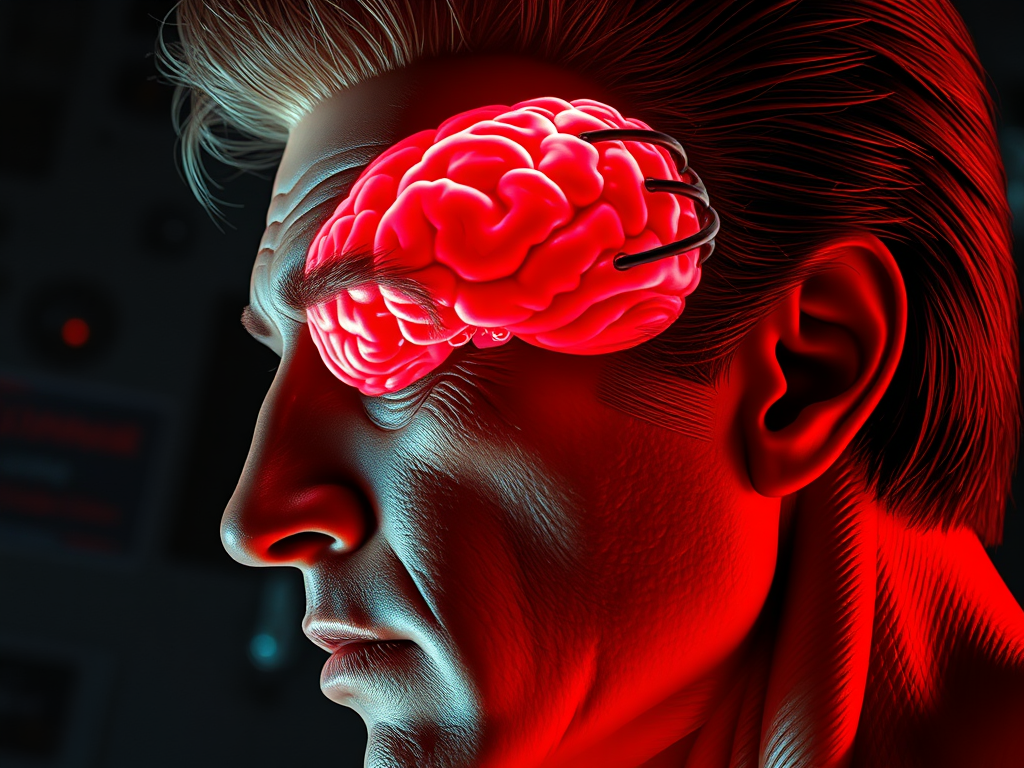
Since the launch of the BRAIN Initiative in 2013, DARPA, the Pentagon’s Defense Advanced Research Projects Agency, has been researching the functionality of the brain though the Restoring Active Memory (RAM) program.  With a $40 million grant, the program, led by UCLA and UPenn, has been trying to “develop a neural prosthesis” to help restore the memories of the 1.7 million American civilian and 270,000 military personnel who suffer from (rather than afflicted by, as they term it) memory loss as the result of a head injury each year.   “Through the Restoring Active Memory (RAM) program, DARPA seeks to accelerate the development of technology able to address this public health challenge and help service members and others overcome memory deficits by developing new neuroprosthetics to bridge the gaps in the injured brain,” states Dr. Justin Sanchez, Director of the Biological Technologies Office at DARPA.

Initially tested on lab rats with positive results, the program then tested it with human patients.  On May 11, 2016, at DARPA’s Demo Day, the research of RAM was presented to select officials.  These patients underwent brain surgery in which a wireless neural interface devices were implanted in brain regions that are involved in the development of declarative memory, the section of the brain that remembers how to do basic tasks, such as remembering appointments (though a calendar can do that too).

Many articles related to this project include a photo of Arnold Schwarznegger in Total Recall, but people need not worry.  Brain implants will not give you memories of living on Mars.  (However, they may allow veterans to return to war and be more skilled soldiers.)  While the example given by Total Recall is a bit extreme, the concern is founded, as according to James Giordano, a neuroethicst at Georgetown University, “[Surgical implants in the brain] could involve alteration in cognitive and emotional function, including a change in personality.”  Rick Weiss, the director of strategic communications at DARPA, counters this statement with his own question, “How is someone going to have a livelihood if they can’t remember how to do simple tasks [as happens to some brain injury patients]?”

Dr. Sanchez says, “If you have a traumatic brain injury and lost the ability to form and recall memories, if you had a medical device that could help you with that it can be transformative.”  I believe that yes, brain implants could be helpful in certain circumstances, but, when related to doing some activities, such as going to the grocery store and then shopping, a GPS and/or a paper and pen could be just as helpful and do not require brain surgery.

The ability to restore memories would be a groundbreaking scientific accomplishment.  However, choosing to undergo surgery that could essentially turn you into someone else, is a very difficult decision.