“A day of humanity and generosity”

Giving Tuesday is, “a gentle reminder that even small acts of kindness – financial or otherwise – can have a big impact on communities. For many nonprofits, the donations they receive on this day help sustain their missions throughout the year,” states the IRS, further noting, “It may be better to give than to receive [as] certain donations made to qualified organizations may be tax deductible.”

This morning, December 2, 2025, it has been reported that, “Trump makes announcement on ‘Trump accounts’ for babies…,” as it was announced, “Michael Dell [the founder, chairman, and CEO of Dell Technologies] will deposit $250 into each qualified child’s investment account, which they said the Treasury plans to launch on July 4, 2026.”

Nonprofits that support the brain injured, through research, care, etc., always need support. While there are many ways to show support, certain organizations, such as the Brain Injury Association of America (BIAA), double financial donations on Giving Tuesday.

“Celebrating Value & Talent”

October 2025 marks the 80th anniversary of National Disability Employment Awareness Month (NDEAM). This year’s theme “Celebrating Value and Talent” recognizes the contributions of workers with disabilities. Despite progress, significant employment gaps persist. According to the U.S. Bureau of Labor Statistics from February 2025, only 22.7 percent of people with disabilities were employed in 2024, compared to 65.5 percent of those without disabilities.

Secretary of Labor Lori Chavez-DeRemer emphasized the importance of observance this year, stating, “Celebrating America means celebrating the value and talent that all Americans – including people with disabilities – add to our nation’s workplaces and communities.”

As we commemorate this milestone anniversary, all Americans must renew our commitment to creating workplaces that celebrate the value and talent of all workers.

CDC – TBI in the Workplace Facts (8/5/2025)

The Healing Power of Roses

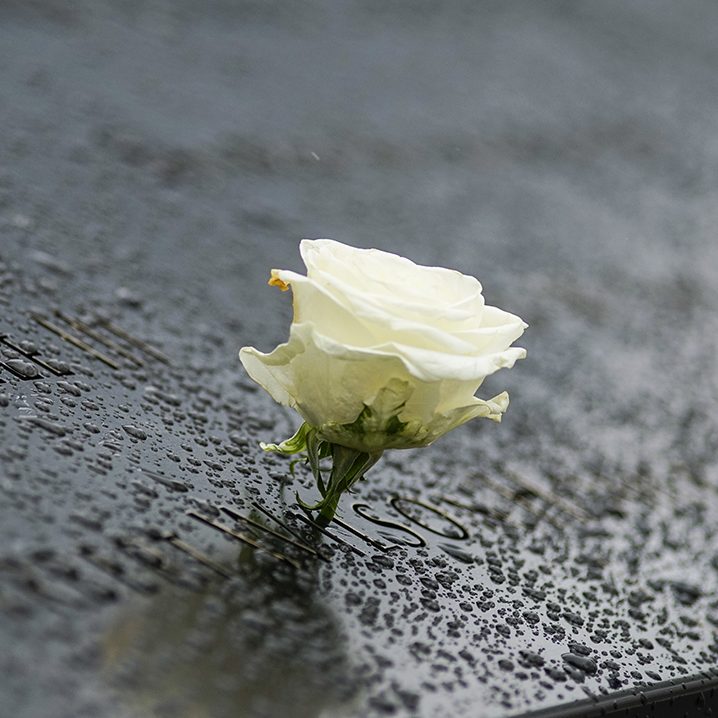
As we reflect on this September 11 day of remembrance and resilience, the rose’s message of renewal feels especially profound. The 9/11 Memorial & Museum honors this daily, by placing a single white rose at each inscribed victim’s name on his or her birthday. For those with a brain injury, this easy-to-find and symbolic flower has a value beyond remembrance. It has been found that the scent of a rose can help rebuild a damaged brain. It may sound like poetry, but science is discovering that the flower holds remarkable therapeutic potential for brain injury survivors.

Both fresh roses and rose essential oils can support brain injury recovery through multiple pathways. Recent research shows that rose aromatherapy increases brain-derived neurotrophic factor, a protein crucial for neural repair and new connections. Even patients who lose their sense of smell after brain injury—approximately 20%—can still benefit, as rose compounds enter the bloodstream through breathing and cross the blood-brain barrier to provide therapeutic effects beyond direct scent perception.

Sleep is critical for healing, but up to 75% of brain injury survivors report issues with sleep, and roses excel here too. A groundbreaking University of California study found that nightly aromatherapy produced a stunning 226% improvement in memory performance by enhancing brain pathways during sleep. As HHS Deputy Secretary Jim O’Neill stated in July 2025, “Millions of Americans are living with the damage caused by strokes and traumatic brain injuries. Current treatments are not enough”—making natural therapies increasingly valuable.

The rose’s symbolism adds psychological benefits to its physiological effects. Across cultures, roses represent transformation, hope, and the strength to bloom despite thorns—qualities essential for recovery journeys. Since rose season continues for a bit longer, until the first frost, survivors can now incorporate fresh blooms into their healing routine, and continue year-round, by using rose oil to harness nature’s gentle power for neural restoration.

2025 NIH Studies Reinforce Benefits of Yoga & Mindfulness for Brain Injury Survivors

Yoga and mindfulness serve as complementary practices that enhance both physical and mental well-being through integrated approaches combining movement, breath awareness, and present-moment attention. TBI of the Hill reported in 2018 that the federal government designated September as Yoga Awareness Month beginning in 2008. Since that time, the NIH research has continued to expand on the understanding of these therapeutic interventions for brain injury survivors.

Recent studies demonstrate sustained scientific commitment to mindfulness-based approaches for neurological recovery. On June 27, 2025, the NIH published a study, “Acceptability of a Brain-Injury-Tailored Yoga and Meditation Program Among Female Patients with Concussion.” In February of this year, another NIH research showed “mindfulness-based stress reduction as perceived by individuals with pathological mental fatigue after an acquired brain injury” provides essential coping mechanisms for survivors managing chronic fatigue and cognitive challenges. Current investigations also examine barriers to “adopting mindful medicine among physicians,” indicating growing clinical acceptance within medical communities.

The ongoing research validates earlier findings about yoga’s effectiveness in managing post-injury emotional regulation difficulties and neurological symptoms. These evidence-based studies offer hope for developing standardized rehabilitation protocols within medical settings.

The practice’s widespread cultural acceptance transcends political boundaries. Current HHS Secretary Robert F. Kennedy Jr.’s family embraces yoga traditions through his granddaughter’s enthusiasm for the practice, while commercially available yoga mats feature Kennedy, Trump, and former President Obama—himself a known mindfulness practitioner who demonstrated these principles throughout his presidency.

As NIH research continues, these studies provide crucial foundations for integrating yoga and mindfulness interventions within rehabilitation medicine, potentially transforming recovery outcomes for brain injury survivors nationwide.

Recognizing the Ongoing Struggles of America’s Brain Injured Workers

Labor Day, first celebrated on September 5, 1882, in New York City, honors American workers’ contributions to the nation’s strength and prosperity. The holiday gained federal recognition when President Grover Cleveland signed legislation in 1894, making the first Monday in September a national holiday. Yet for the estimated 5 million Americans living with traumatic brain injury (TBI) disabilities, the promise of meaningful work remains frustratingly elusive.

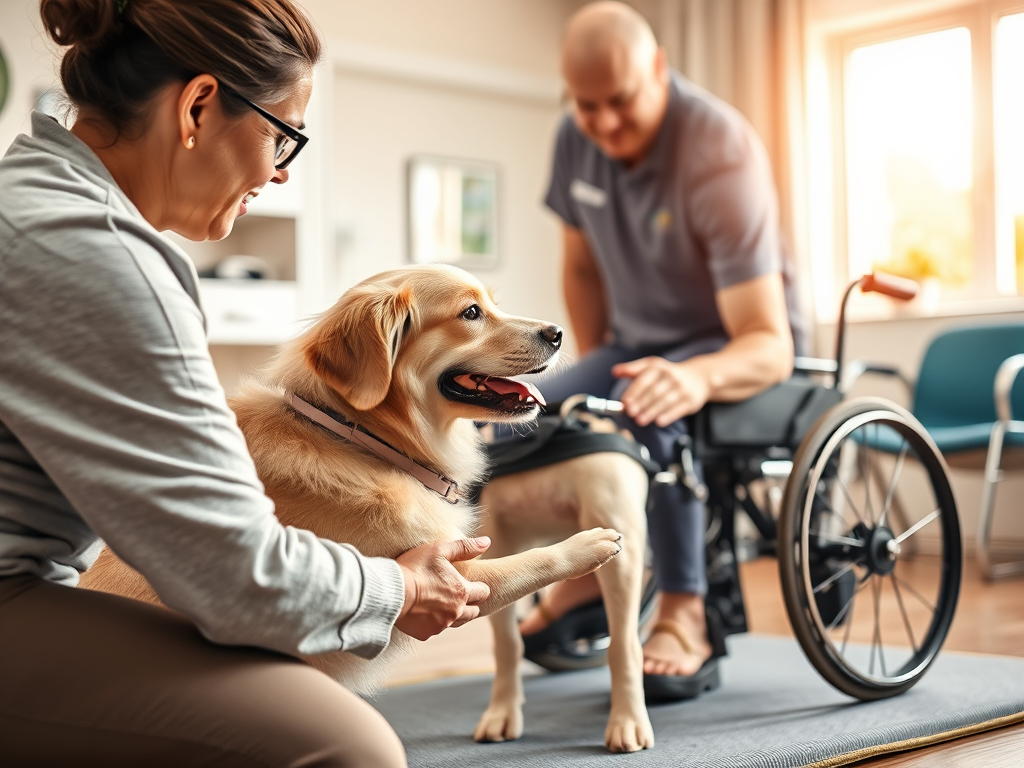
TBI survivors face unique employment barriers that make Labor Day bittersweet. Cognitive impairments affect memory, attention, and problem-solving abilities, while physical symptoms include fatigue, headaches, and coordination problems. The CDC notes that “some symptoms may affect a person’s ability to do their normal work activities,” highlighting how these invisible disabilities create substantial employment obstacles.

The statistics paint a stark picture: only 34% of TBI survivors maintain stable employment three years post-injury, according to TBI Model Systems research. In August 2025, the CDC laid out factual, but not statistical, “TBI in the Workplace Facts”.  For example, while some TBI survivors may not be able to ever return to work, many others who attempt to return to work encounter workplace discrimination, inadequate accommodations, and employers who misunderstand their capabilities.

The federal government has responded with several initiatives. The Office of Disability Employment Policy “provide[s] leadership, develop[s] policy and initiatives and award[s] grants furthering the objective of eliminating barriers to the training and employment of people with disabilities.” In a 2025 DOL Missouri’s Division of Workers’ Compensation conference, they affirmed that “individuals with brain injury can and do return to work with appropriate support and rehabilitation.”

However, significant gaps remain. Enhanced employer education about TBI, expanded transportation options, increased funding for vocational rehabilitation services, and recognition of brain injury as a chronic condition requiring long-term support are essential steps toward ensuring that Labor Day truly celebrates all American workers, including those whose injuries may be invisible but whose contributions remain invaluable.

August Brings Awareness to Neurosurgery

Neurosurgery Awareness Month has been proudly celebrated for over a decade, observed each August to highlight neurosurgery’s critical role in patient care. This American Association of Neurological Surgeons-led initiative honors innovation, research, and training that transform lives.

Neurosurgeons are essential to the treatment for many brain injury patients, performing life-saving procedures including craniotomy to remove blood clots, craniectomy to relieve brain swelling, skull fracture repair, and intracranial pressure monitoring. Emergency neurosurgical procedures are performed in up to an estimated 27% of traumatic brain injury patients, with insertion of pressure monitors being most frequent, followed by evacuation of mass lesions. Unfortunately, there are fewer than 3,700 neurosurgeons who work across more than 5,700 hospitals in the United States. (Forbes even published an article on August 18, 2025, titled Neurosurgery Awareness Month: So How Do You Become A Neurosurgeon?.)

Though the awareness month originated from professional advocacy, the U.S, government also recognizes the importance of neurosurgery as the National Institute of Neurological Disorders and Stroke is an important part of the National Institute of Health. Formed 75 years ago, NINDS is key to modern scientific and technological advances and awareness related to the month, e.g. The Digital Impact of Neurosurgery Awareness Month: Retrospective Infodemiology Study (2023). Additionally, former Secretary of HUD and appointee to the government’s task force handling the coronavirus pandemic Dr. Ben Carson was a pioneer in neurosurgery. His techniques for hemispherectomy and craniofacial reconstructive surgery have been influential in the field of neurosurgery.

The purpose of this month-long recognition is to educate the public, advocate for the specialty and celebrate the neurosurgical community including surgeons, residents, and patients. Celebrations include social media campaigns using #NeurosurgeryAwarenessMonth and story sharing. The theme “We are Neurosurgery: Every Patient. One Purpose” reflects the patient-first care policy.

Today is Brain Injury Awareness Day on Capitol Hill!

March 13th is Brain Injury Awareness Day on Capitol Hill.  Today, there will be an awareness fair, a congressional briefing and reception in Washington D.C.  While a presentation of these events would be interesting, until that becomes available, it is good to remember that the whole month of March is federally-designated Brain Injury Awareness Month.  As was last year, the theme of the month is Change Your Mind about brain injury.  Publications have again presented news articles related to brain injury.  (Unfortunately, though, these articles just seem to be reiterating statistics about brain injury, that have been presented an enumerable amount of times, in order to showcase the commonality of the issue.  However, it is good to remember that for many people, brain injury is still an unknown topic – a topic of no interest to them because it doesn’t affect them personally.  However, they need to understand.)

Even if you cannot travel to D.C. for the day’s events, you can still participate.  Various websites note what you can do throughout the month to increase awareness and to learn more yourself.

Skiing Into a Head Injury

Gliding down a ski slope at 60 mph, taking a ramp that lifts you up in the air with a heavy board attached to your feet and just snow below, or racing against others while doing both.  These three activities are all part of the winter routine for individuals who enjoy the extreme sports of freestyle skiing, snowboarding or snowcross.  Extreme sports are, by definition, dangerous.  A Google search of snowboarding, for example, found two pages of articles related to snowboarding deaths and accidents this year alone.

First coming into existence either in the 1950s, 1960s or 1970s, depending on which source you reference, extreme sports tap into a person’s sense of adventure.  Head and neck injuries due to winter extreme sports are common, when compared to other sports, partly because, “many extreme sports take place in environments where medical care may not be readily available.”

Throughout the years, extreme sports have become more popular, perhaps as the opportunity for adventure and physical risk of everyday life goes down and mental stress goes up.  Head and neck injuries due to winter extreme sports have also significantly increased through the years.  There is a cost to these injuries, both emotionally for the individual and monetarily for both the individual and the government through evacuation costs, rehabilitation costs and community costs in the future.  This month, the government pays more attention to these risks, as well as the needed research, as January is National Winter Sports Traumatic Brain Injury Awareness Month.

Although finding new means to treat traumatic brain injury in extreme winter sports is very important, “prevention is the top priority”.  The Office of Disease Prevention and Health Promotion reminds people to always wear a helmet and to make sure to watch your surroundings by staying in the boundaries in ski slopes and watching for obstacles and hazards on your path.  Just as importantly, “make sure medical care is close.”  Additionally, Dr. Pickett of the National Intrepid Center of Excellence reminds people that, “It’s important to consider how weather conditions… increase the risk for these injuries.”  While equipment is now safer and access to medical care has improved, prevention should always come first.  If you enjoy the thrill of extreme winter sports, I hope you enjoy it this winter, but know and use all available information to make it safe.

November 11th – Veterans Day

November 11 is a day to celebrate and honor the millions of Americans, of all races and genders, who served this country with honor as veterans of the US military – today is Veterans Day!  It is time to recognize the veterans who are living with the “signature wound” of more recent wars: traumatic brain injury and often the co-occurring post-traumatic stress disorder.  These men and women fight on the battlefield for the citizens of the United States and now fight for their health and/or equality back at home.  (Visit the articles links or click the Government/Military link on the right side of this page to find more information about veterans and TBI.)

Originally published: November 11, 2017

Happy and Safe Halloween!!!

Halloween may not be an officially recognized federal holiday, but for many schools and millions of children it may as well be.  While many towns have already celebrated Halloween with trick-or-treating this past weekend, today is the day of costume and candy for the majority of American children.

Online the CDC has “safe and healthy” recommendations for Halloween, which primarily apply to adults.  Related to children, they advise trick-or-treaters to “take precautions to stay safe while trick-or-treating on Halloween night. Watch out for cars, use reflective gear, walk with a group, and carry a flash light.”  Many publications focus on the negative possible consequences of trick-or-treating, particularly that of night trick-or-treating when vision is limited, and adult intoxication is more likely.  A head injury is not something a child should receive from Halloween, so properly accompanying a child or thoroughly teaching an older child to trick-or-treat safely is necessary.

But even though there is parental worry, trick-or-treating is an enjoyable part of being a youth.  After a child has a brain injury that should not be taken away from them.  In Middletown, OH, police delivered Halloween candy to the disabled last week.  (While the article related to this event does not state if the police delivered candy to those with brain injury, one can assume they did, as they did for all children who had limited ability to trick-or-treat.)  Related specifically to brain injury, a UK-based website warns of the issues that Halloween can cause for those with sensory issues (costumes) and noise problems (fireworks).  For those with issues that make trick-or-treating impossible, a Parents magazine online also provides ideas for other ways to celebrate the day.

Since in journalism, sensation traditionally brings in readership, most of the articles related to Halloween seem to focus on danger.  Many state websites note suggestions/guides for parents and children for safe trick-of-treating, such as HeadSmart, published by the Brain Injury Association if Utah.  For those who have a brain injury and have the ability to wear a costume and/or trick-or-treat, I hope you have the chance to do so today.  For those who are medically unable to do so, I hope you are still able to celebrate in a different, but equally enjoyable way.